In recent years, the Philippine government has been actively supporting the growth of startups and technology in the country. Recognizing the potential of the tech and startup ecosystem to drive economic growth and job creation, the government has implemented several initiatives aimed at nurturing innovation and entrepreneurship. Through financial support, policy reforms, and infrastructure development, the government is helping create an environment that allows startups to thrive.
One of the key ways in which the government supports startups is through various financial assistance programs. For instance, the Department of Trade and Industry (DTI) offers programs that provide funding and grants to early-stage startups. These funds allow entrepreneurs to finance their research and development efforts, as well as the commercialization of their products and services. Additionally, the government has established the Philippine Innovation Act, which provides a legal framework that supports the growth of innovative enterprises by offering financial incentives such as tax breaks and subsidies for R&D.
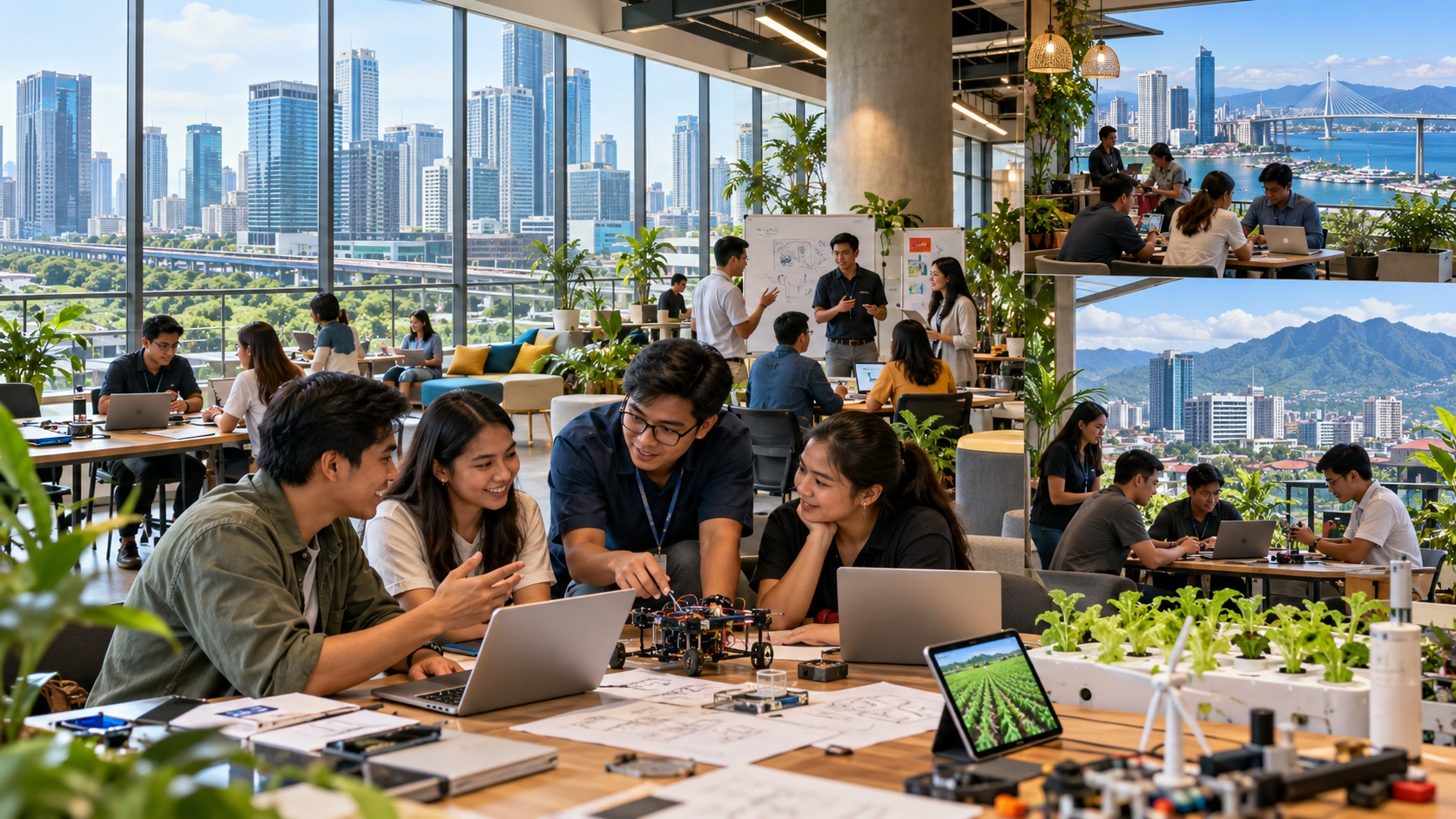
Beyond financial support, the government is also focused on creating infrastructure to support the growth of technology and startups. This includes building innovation hubs and co-working spaces where entrepreneurs can collaborate, network, and gain access to valuable resources. These tech hubs, such as the DOST’s Philippine Council for Industry, Energy, and Emerging Technology Research and Development (PCIEERD), provide a supportive environment for new businesses, helping them to connect with investors, mentors, and potential partners.
In terms of education, the Philippine government is investing in programs that nurture the next generation of technology innovators. With initiatives like the Philippine Startup Week and Startup Village, young entrepreneurs and students are introduced to the startup culture and given tools to succeed in the tech industry. This educational support ensures that the Philippines will continue to cultivate a pipeline of skilled workers who can contribute to the growth of the tech and startup sectors.
Moreover, the government has made it a priority to attract international investors and global tech companies to the Philippines. Policies that simplify business registration processes, reduce bureaucratic hurdles, and offer tax incentives for foreign investors are helping to create a more attractive investment climate. By encouraging foreign investment and facilitating partnerships between local startups and international companies, the government is helping startups expand beyond the Philippine market.
The Philippine government has also recognized the importance of collaboration in building a sustainable startup ecosystem. By fostering relationships between startups, government agencies, universities, and the private sector, the government is ensuring that the country’s startup ecosystem remains competitive. This collaborative approach is key to supporting the long-term success of the tech and startup sectors in the Philippines.