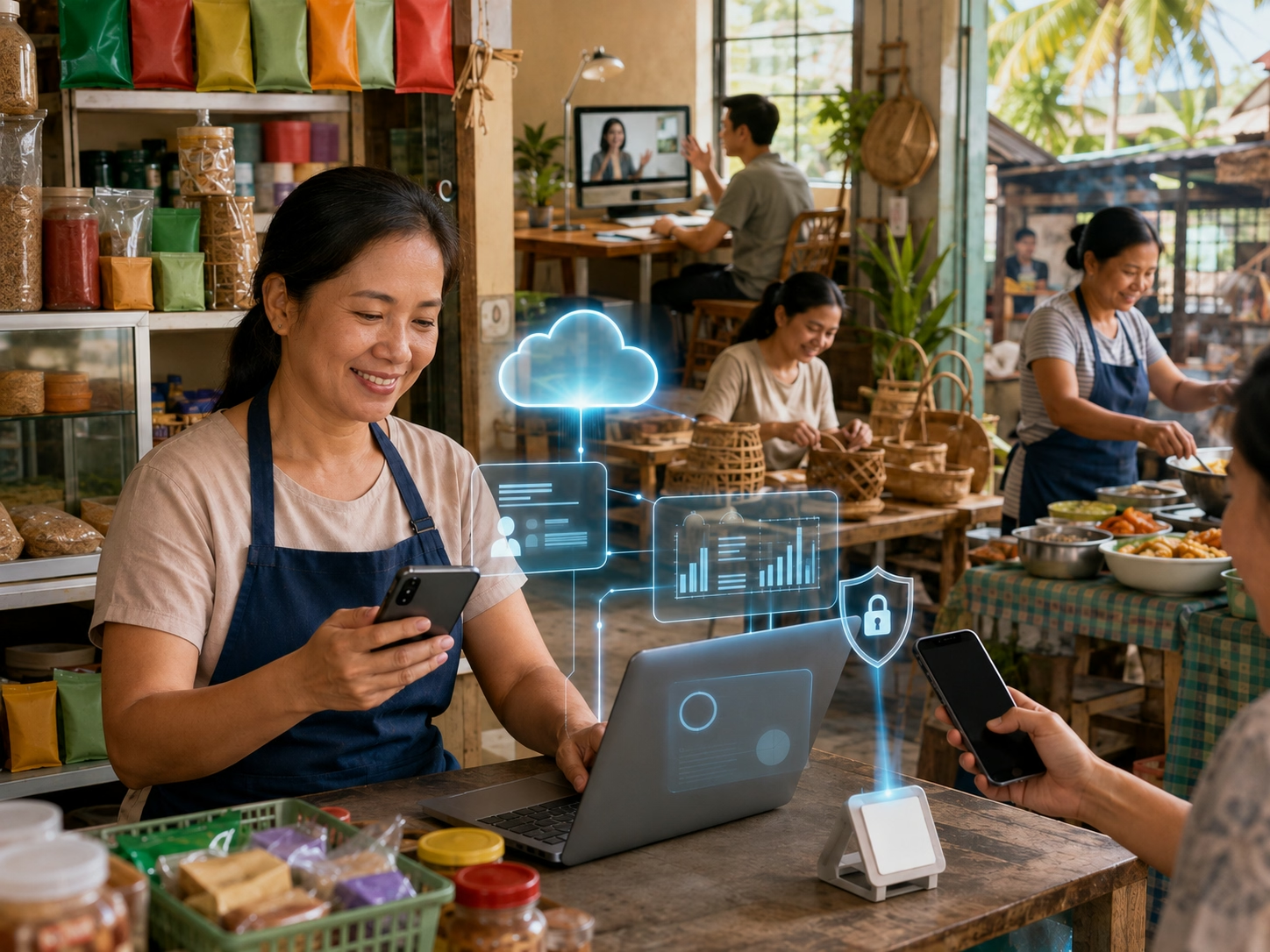
In recent years, the Philippine e-commerce industry has experienced explosive growth, driven by increased internet penetration, a mobile-first population, and changing consumer behaviors. This makes the market highly attractive for new startups, with vast potential for innovation and success.
Opportunities for Entrepreneurs
The Philippines’ e-commerce market has evolved significantly, offering a wide range of opportunities for startups. Firstly, the country’s digital transformation is accelerating. In 2023, the number of internet users in the Philippines surpassed 80 million, and with smartphone penetration increasing, more Filipinos are engaging in online shopping. For entrepreneurs, this surge presents an enormous opportunity to capture a diverse and expanding customer base.
Moreover, the Philippines’ thriving middle class is a key driver of e-commerce growth. As more people gain purchasing power, demand for online shopping is rising. Startups can target urban dwellers, particularly in Metro Manila, where disposable income levels are higher, as well as tech-savvy millennials and Gen Z consumers who are comfortable shopping online.
Additionally, the Philippines has an untapped potential for niche markets. Whether it’s health and wellness products, local artisanal goods, or sustainable fashion, e-commerce startups can differentiate themselves by catering to the unique preferences and needs of the Filipino consumer.
Challenges to Address
However, while the opportunities are abundant, there are significant challenges for startups in the Philippines. One major hurdle is the underdeveloped logistical infrastructure. Although the metro areas have relatively efficient delivery systems, more rural regions still face difficulties with slow and costly shipping. For startups that are trying to serve the entire nation, managing logistics effectively can be a significant challenge.
Another challenge lies in payment systems. While mobile wallets and online payment methods are growing, a large portion of the population still relies on cash-on-delivery (COD). Handling COD can complicate financial management, and there are also risks of payment fraud.
Finally, fierce competition from established e-commerce platforms such as Lazada, Shopee, and Zalora presents a considerable challenge. New startups often find it difficult to compete with these giants, especially in terms of customer acquisition, brand recognition, and marketing resources.
Conclusion
E-commerce presents both tremendous opportunities and substantial challenges for startups in the Philippines. However, with the right strategies—such as focusing on niche markets, offering localized solutions, and streamlining logistics—startups can position themselves for success in this growing sector.