The Philippines offers a striking example of how mobile banking can transform access to finance in an archipelagic, developing economy. Many Filipinos have long lived at a distance from brick-and-mortar banks, but they are much more likely to own a mobile phone. This mismatch between physical and digital access has opened the door for mobile banking to become a primary tool for extending financial services to people who were previously excluded.
Financial inclusion refers to the ability of individuals and businesses to access and use a range of formal financial products that meet their needs. In the Philippine context, a significant portion of the population historically saved money at home, borrowed through informal lenders, and transacted in cash. Such practices can be risky and limit opportunities to build assets. Mobile banking platforms offer a way to connect these individuals with formal services without requiring them to visit a branch.
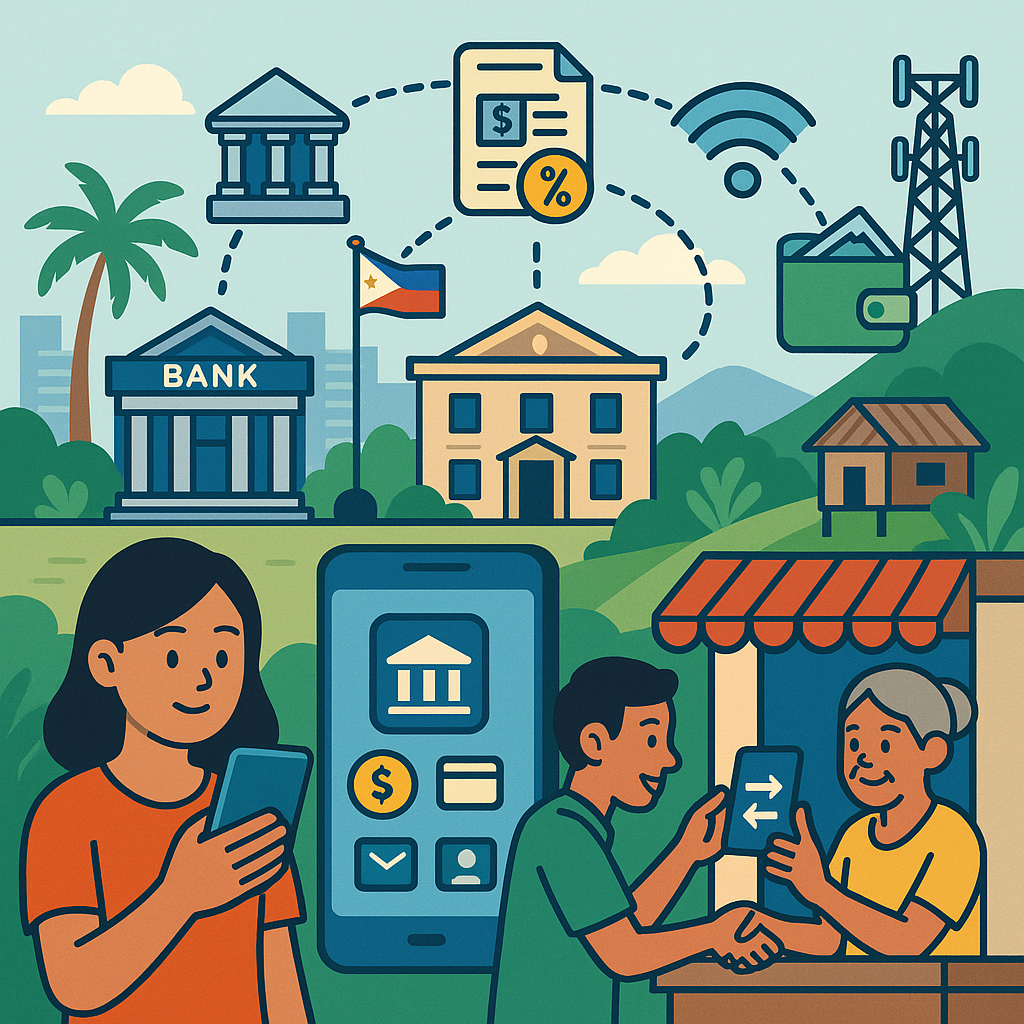
Mobile banking applications and e-wallets allow users to open accounts, check balances, transfer money, and pay bills at any time from their phones. For overseas Filipino workers, these platforms also simplify remittances, enabling faster, cheaper transfers to family members back home. Instead of standing in line at a physical remittance outlet, recipients can receive funds directly into a mobile wallet and spend or withdraw as needed.
One of the most important contributions of mobile banking is its ability to lower the cost of providing services. Traditional banking relies heavily on branches, staff, and paperwork, making it expensive to serve low-value accounts or remote communities. Digital channels shift many of these transactions to automated systems, reducing overhead. Those savings can be passed on to customers in the form of lower fees and smaller minimum balance requirements, making accounts more accessible for low-income users.
Agent networks further support this model. Local shops, pharmacies, and other small establishments often act as cash-in and cash-out points. This means that even in areas without formal bank branches, people can convert cash to digital value and vice versa. These agents effectively extend the reach of mobile banking into neighborhoods and villages that would otherwise remain underserved.
The growth of mobile banking also supports broader economic development. Digital transaction histories generate data that can be used to assess creditworthiness. Over time, this can help individuals and businesses who were previously considered “unbankable” gain access to loans. For small entrepreneurs, being able to accept digital payments reduces reliance on cash, improves record-keeping, and may open doors to supplier credit or formal financing.
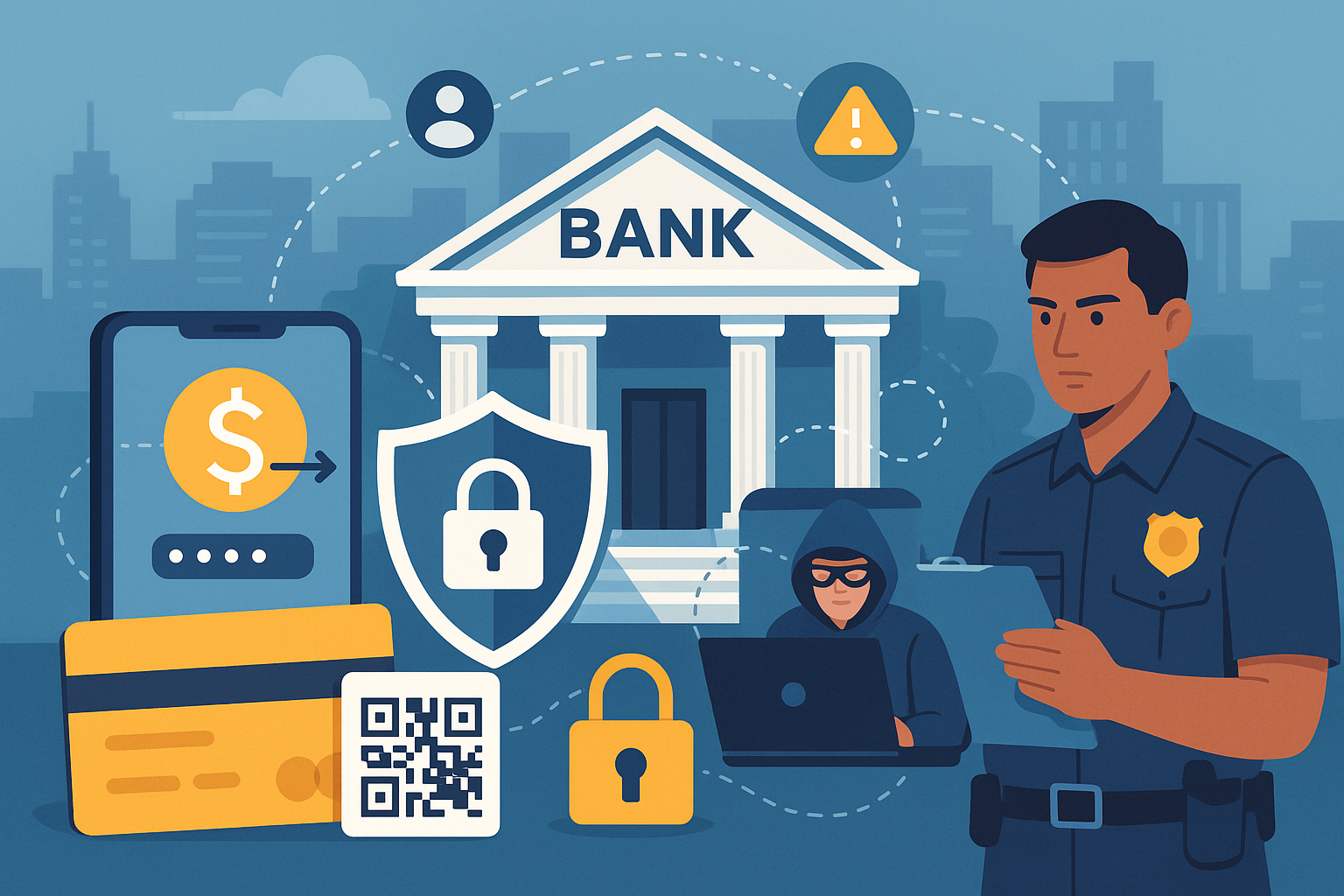
However, the expansion of mobile banking brings responsibilities and risks. Users must understand how to keep their accounts secure, recognize phishing attempts, and protect personal information. Providers need to design user-friendly interfaces that work in multiple languages and are accessible to people with limited experience using smartphones. Regulators must ensure that consumer protection rules apply to digital providers, including clear terms and transparent pricing.
Collaboration is key to unlocking the full potential of mobile banking for financial inclusion in the Philippines. Banks, fintech firms, telecom companies, civil society organizations, and government agencies must work together to strengthen digital infrastructure, support financial literacy, and ensure that vulnerable groups are not left behind. When these elements align, mobile banking can help create a more inclusive financial landscape, where everyday money management becomes easier, safer, and more empowering for millions of Filipinos.