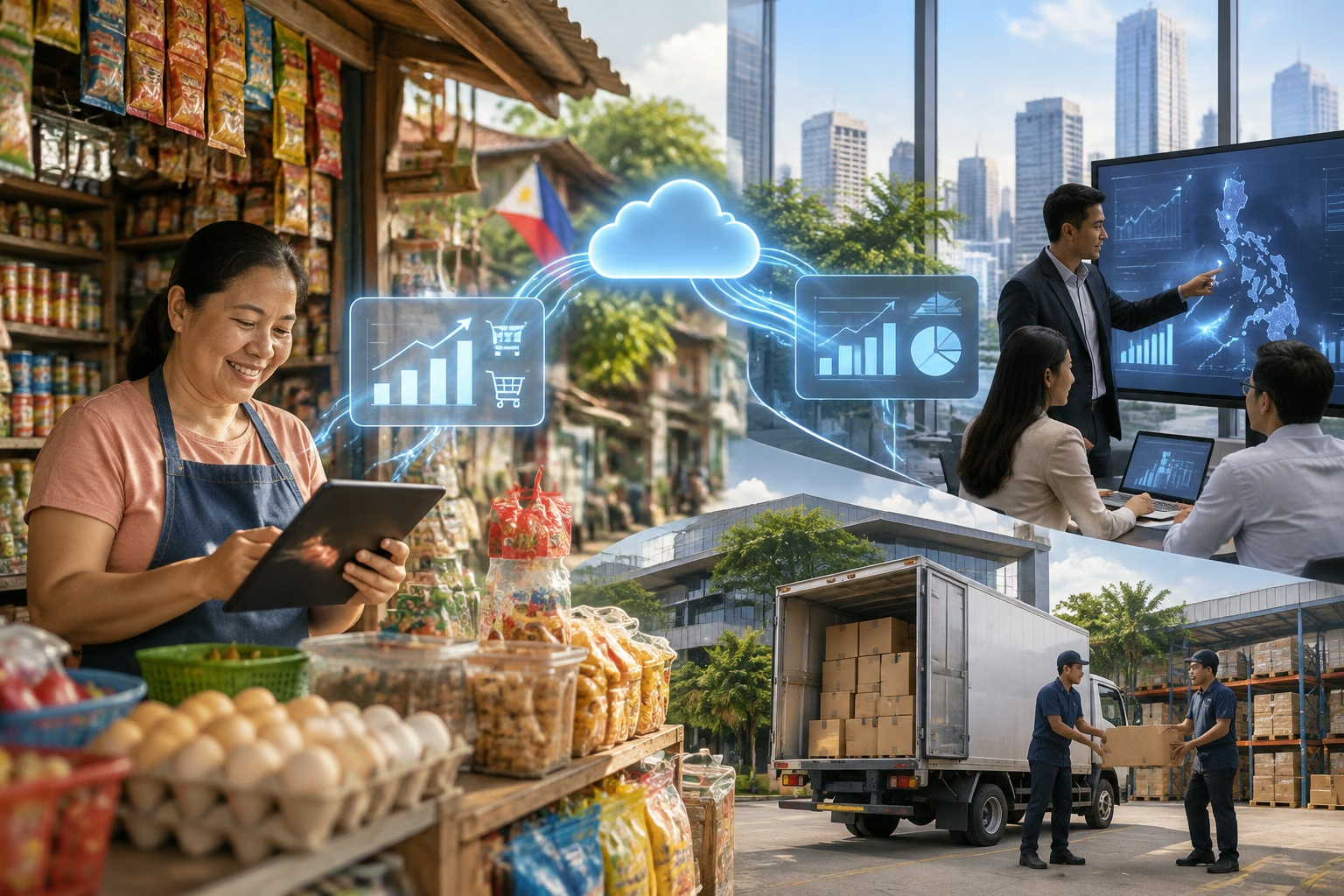
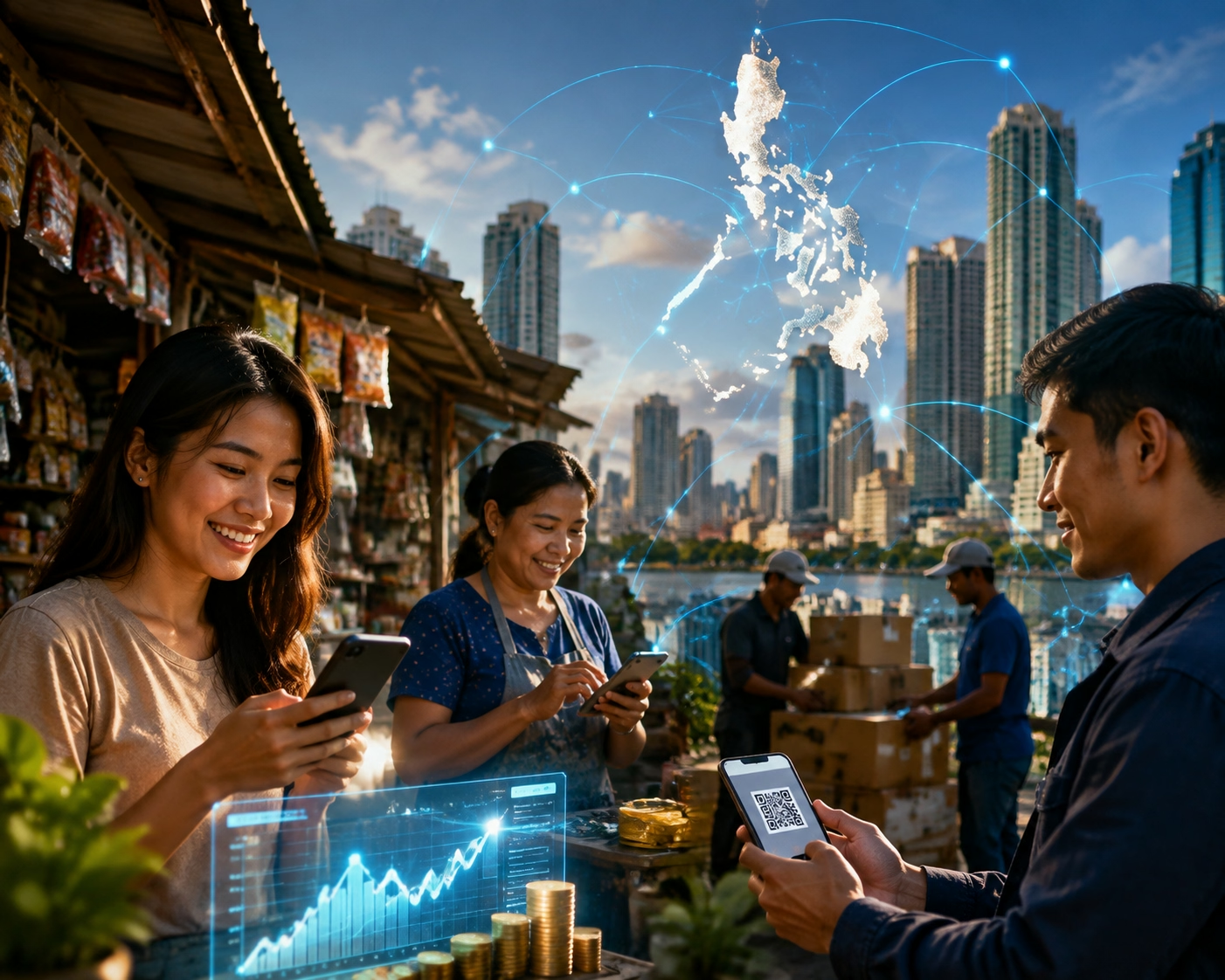
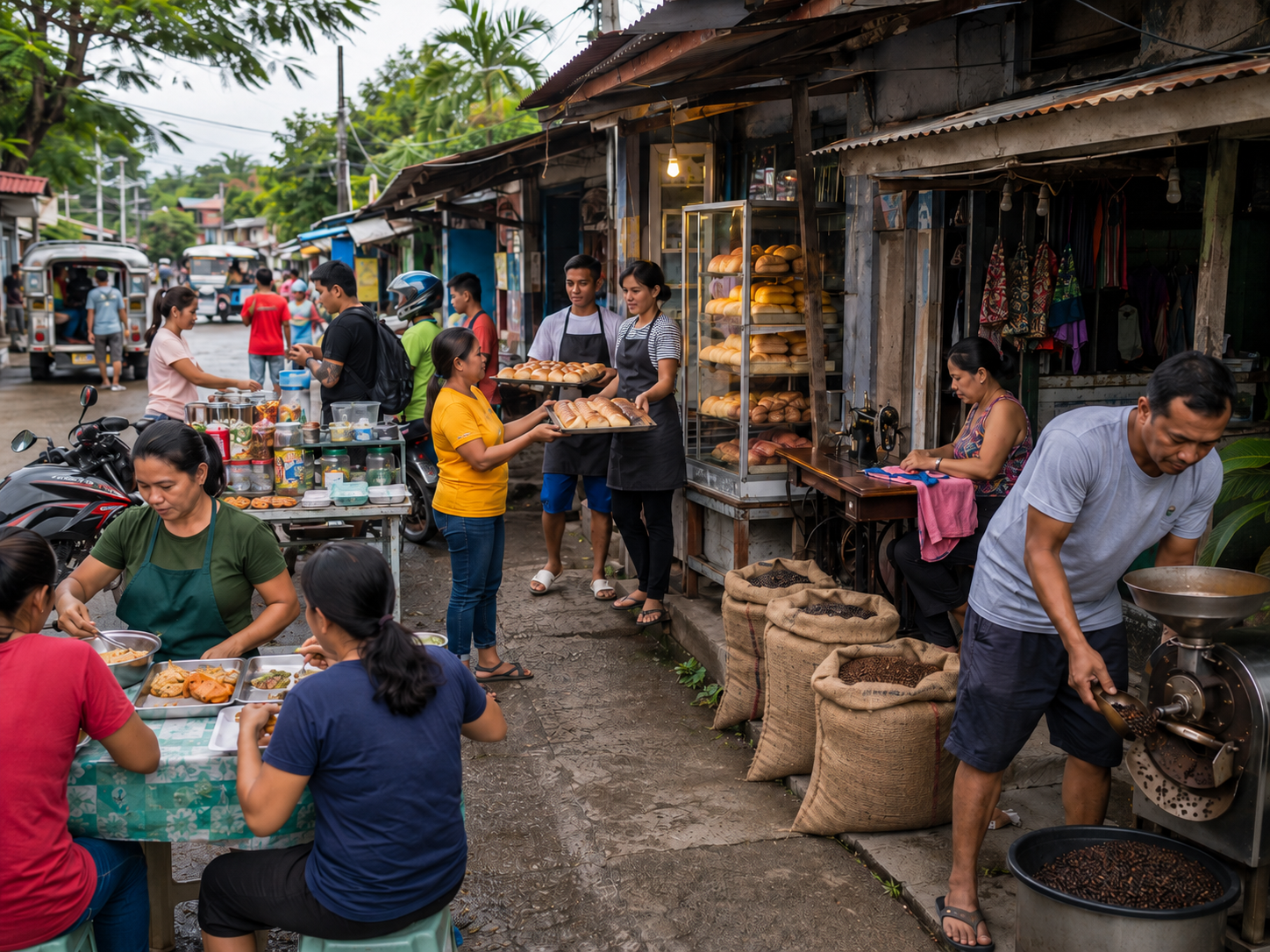
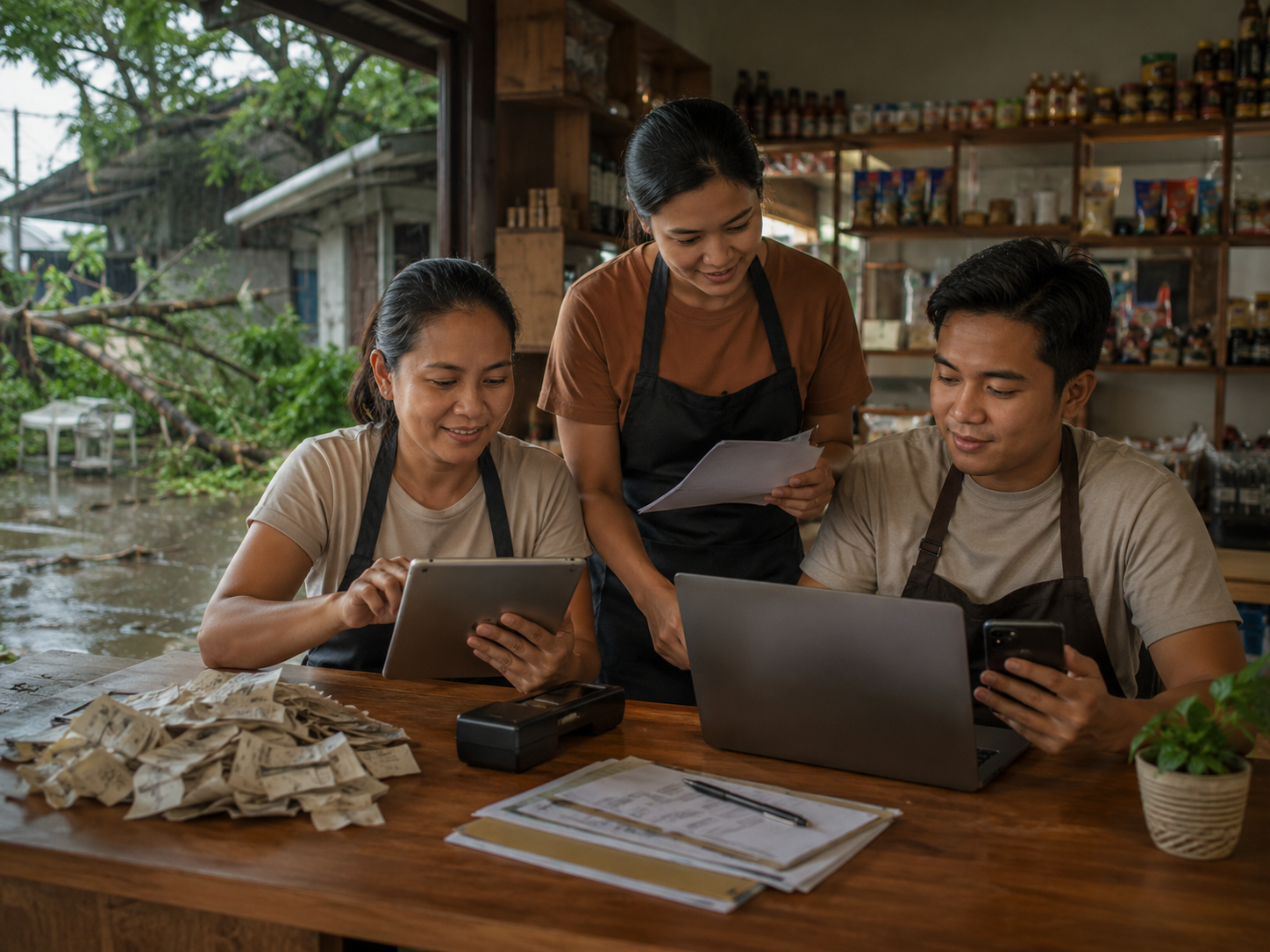
The landscape of entrepreneurship in the Philippines is undergoing a major transformation driven by innovation and digitalization. As more entrepreneurs seek efficient ways to run their businesses, digital tools and technologies have become crucial to their success. This shift is empowering entrepreneurs to access new opportunities, streamline operations, and reach a wider audience.
Filipino entrepreneurs are increasingly using e-commerce as a primary tool for business growth. Platforms like Lazada, Shopee, and Facebook Marketplace are revolutionizing the way goods and services are sold, allowing even small businesses to sell their products nationwide and internationally. This shift to online retail has been especially significant for businesses that were previously limited by geographical constraints.
Social media also plays a central role in this digitalization. Entrepreneurs are leveraging platforms like Facebook, Instagram, and YouTube to market their products, engage with customers, and build brand loyalty. These platforms provide a cost-effective alternative to traditional advertising, enabling even small businesses with limited budgets to compete effectively in the market.
Digitalization also extends to the financial sector, with the rise of mobile payment systems such as GCash and PayMaya. These platforms have significantly simplified transactions for both businesses and consumers, offering an easy and secure way to pay for goods and services. The shift from cash to digital payments has been particularly important during the COVID-19 pandemic, where contactless payments became the preferred method to reduce physical interaction.
In addition to digital payments, fintech startups have emerged as key players in the Philippine entrepreneurial ecosystem. These startups are revolutionizing access to capital, providing small businesses with alternative financing options. Peer-to-peer lending, for example, allows entrepreneurs to bypass traditional financial institutions and secure loans more quickly and with fewer barriers.
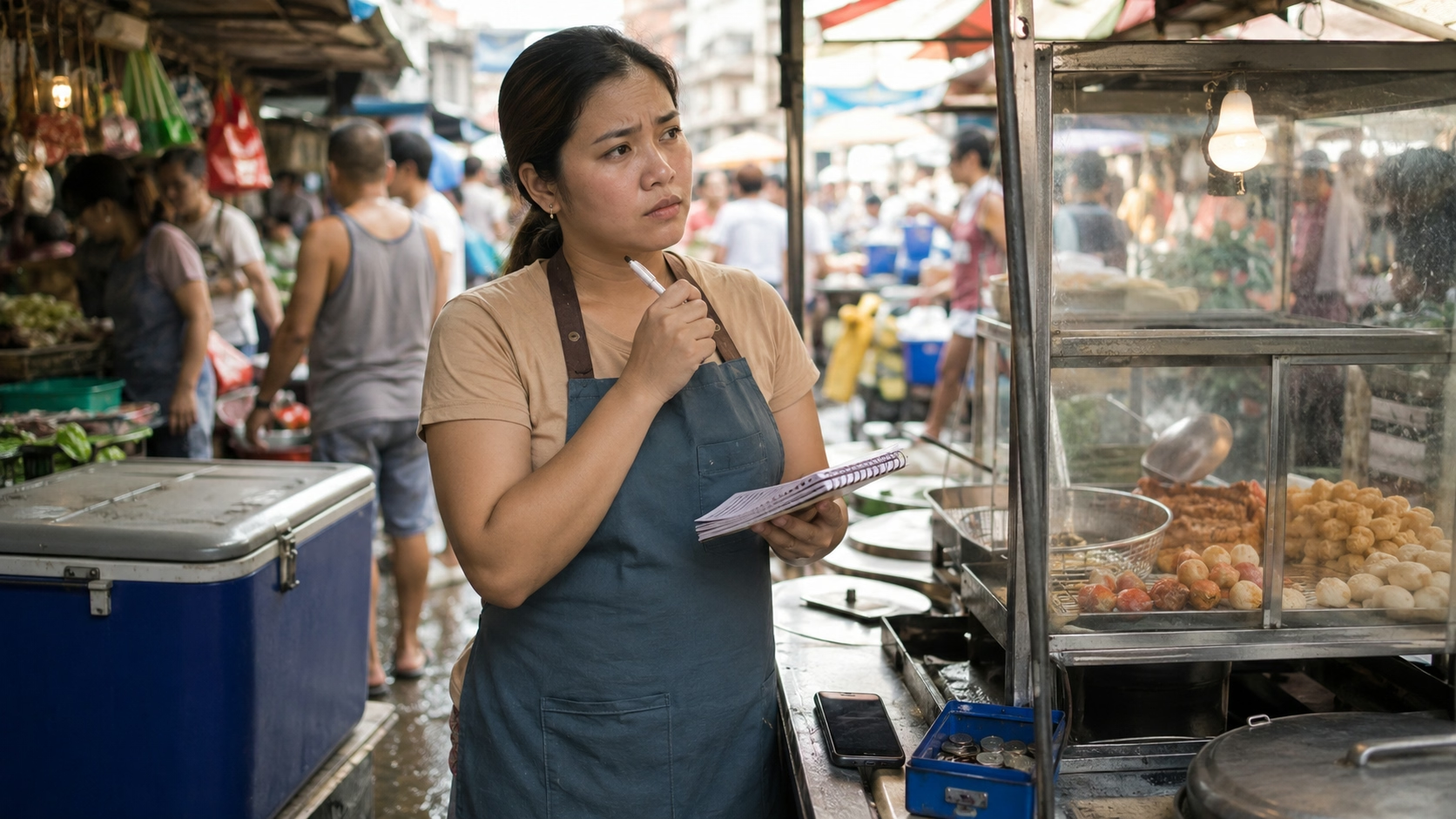
Despite these advancements, there are still challenges facing Filipino entrepreneurs. One of the main obstacles is the lack of digital literacy among some business owners. While the younger generation is more tech-savvy, older entrepreneurs may struggle to adapt to new technologies, limiting their ability to fully embrace digital tools.
Furthermore, internet connectivity remains an issue in certain regions of the Philippines, particularly in rural areas. This digital divide can hinder some entrepreneurs from accessing the full benefits of the digital economy, putting them at a disadvantage compared to their urban counterparts.
To address these challenges, the Philippine government is rolling out initiatives to improve digital literacy and expand internet infrastructure across the country. These efforts are crucial to ensuring that Filipino entrepreneurs can continue to innovate and thrive in a rapidly changing global economy.