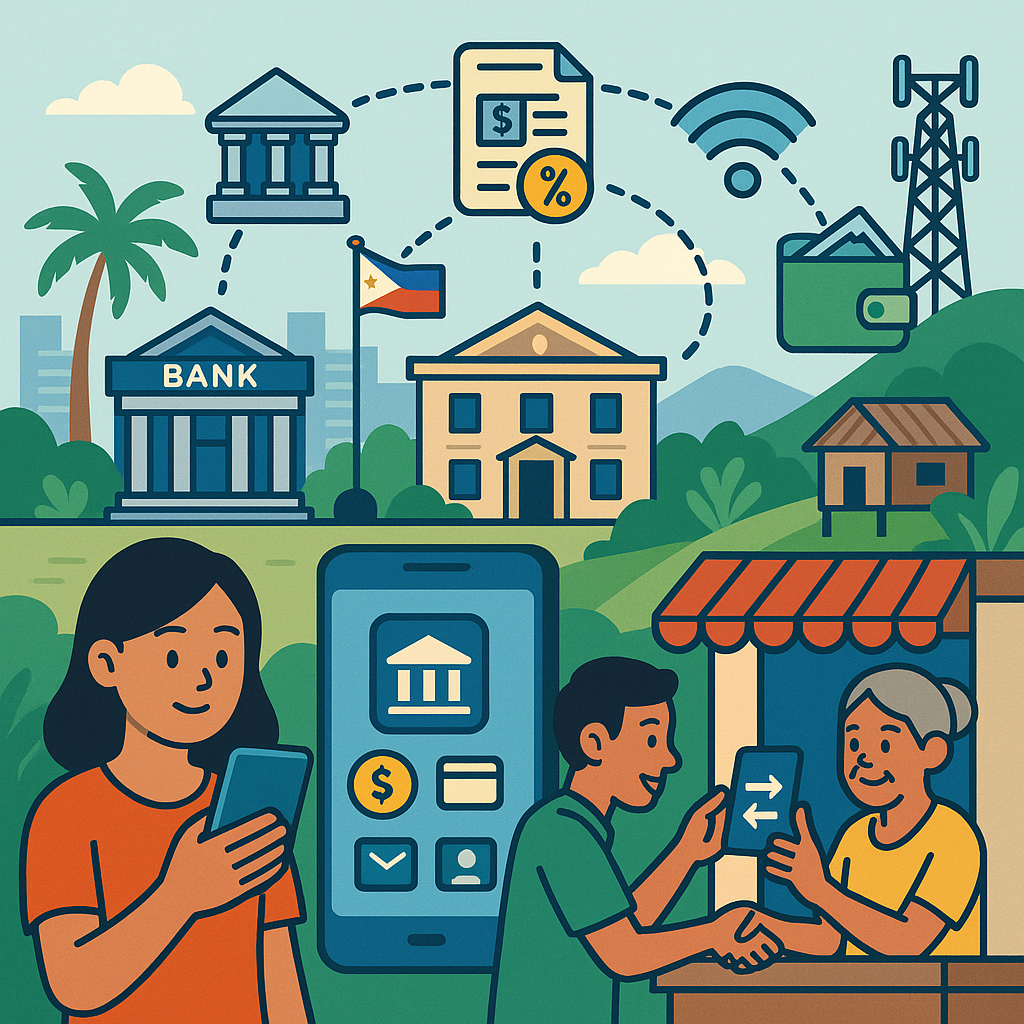
Peer-to-peer (P2P) lending is a rapidly growing sector in the Philippines, offering new investment opportunities for individuals looking to capitalize on the country’s expanding digital finance market. By connecting borrowers and lenders directly through online platforms, P2P lending eliminates intermediaries like banks and financial institutions. While this innovation provides numerous benefits for investors, there are also notable risks involved.
The Appeal of Peer-to-Peer Lending
- Attractive Returns:
P2P lending in the Philippines provides investors with an opportunity to earn attractive returns, often significantly higher than those offered by traditional banks or government bonds. Depending on the risk associated with the borrower, interest rates can range from 10% to 20% annually. For investors seeking higher-yield options, P2P lending can be a compelling alternative to low-return fixed-income instruments. - Access to Underserved Borrowers:
Many Filipinos remain unbanked or underbanked, making it difficult for them to access traditional financial products. P2P lending platforms address this issue by offering loans to individuals and small businesses that may otherwise have trouble obtaining financing. Investors can benefit by being part of a financial inclusion movement that helps promote economic growth and social impact. - Diversified Investment Opportunities:
P2P lending allows investors to diversify their portfolios by investing in loans with varying risk levels and interest rates. This helps to spread risk and potentially stabilize returns over time. By lending to a range of borrowers—whether they are individuals, small businesses, or entrepreneurs—investors can reduce exposure to any single loan defaulting.
Key Risks for Investors
- Risk of Default:
One of the primary risks for investors is the possibility of borrower default. Many P2P platforms in the Philippines serve individuals who may not have a long credit history or access to credit ratings. Without proper risk assessment tools, investors may face higher default rates. Platforms generally attempt to mitigate this risk through thorough vetting processes, but it remains an inherent danger. - Regulatory Challenges:
The regulatory framework for P2P lending in the Philippines is still under development. While the government has made strides in regulating the fintech space, the lack of clear and consistent regulations for P2P platforms creates uncertainty for investors. Changes in policy or sudden regulatory actions could impact the operations of platforms, fees, and the overall stability of the sector. - Platform Risk and Transparency:
Another significant concern for investors is the reliability and stability of the P2P lending platform itself. Not all platforms are created equal, and some may lack the financial stability, technological infrastructure, or governance practices required to operate effectively. Investors should carefully review the platform’s track record, reputation, and transparency in handling investments and loan repayments. - Limited Liquidity:
P2P investments are not easily liquidated. Once funds are committed to a loan, they are tied up for the loan’s duration. This lack of liquidity means that investors cannot quickly access their capital if an urgent need arises. This makes P2P lending more suitable for those who can afford to lock their funds for the long term.
The Road Ahead
The P2P lending landscape in the Philippines is still in its infancy, but it holds great promise for investors. As digital financial services continue to expand and the regulatory environment evolves, more safeguards and protections will likely be put in place to mitigate risk. In the coming years, the Philippines’ expanding fintech sector and increasing internet penetration could lead to more robust platforms, offering new opportunities for savvy investors.
While P2P lending presents exciting prospects for those seeking higher returns and portfolio diversification, it is important for investors to carefully weigh the risks before diving in. By selecting trusted platforms and diversifying their investments, they can maximize their chances of success in this fast-growing market.