The growth of a nation’s workforce largely depends on its educational and professional development programs, and the Philippines is no exception. In an increasingly globalized world, countries must prioritize developing a workforce that is not only educated but also equipped with specific competencies that will make them competitive in the international labor market. In the Philippines, education and professional training play a critical role in this endeavor.
The Philippine education system is designed to provide students with a comprehensive academic foundation. However, academic knowledge alone is not enough to meet the demands of the ever-changing job market. As such, professional training programs complement formal education by offering industry-specific skills that help workers stay relevant and employable. The government, in collaboration with private institutions, has been at the forefront of providing training opportunities in a variety of fields, from business management to information technology.
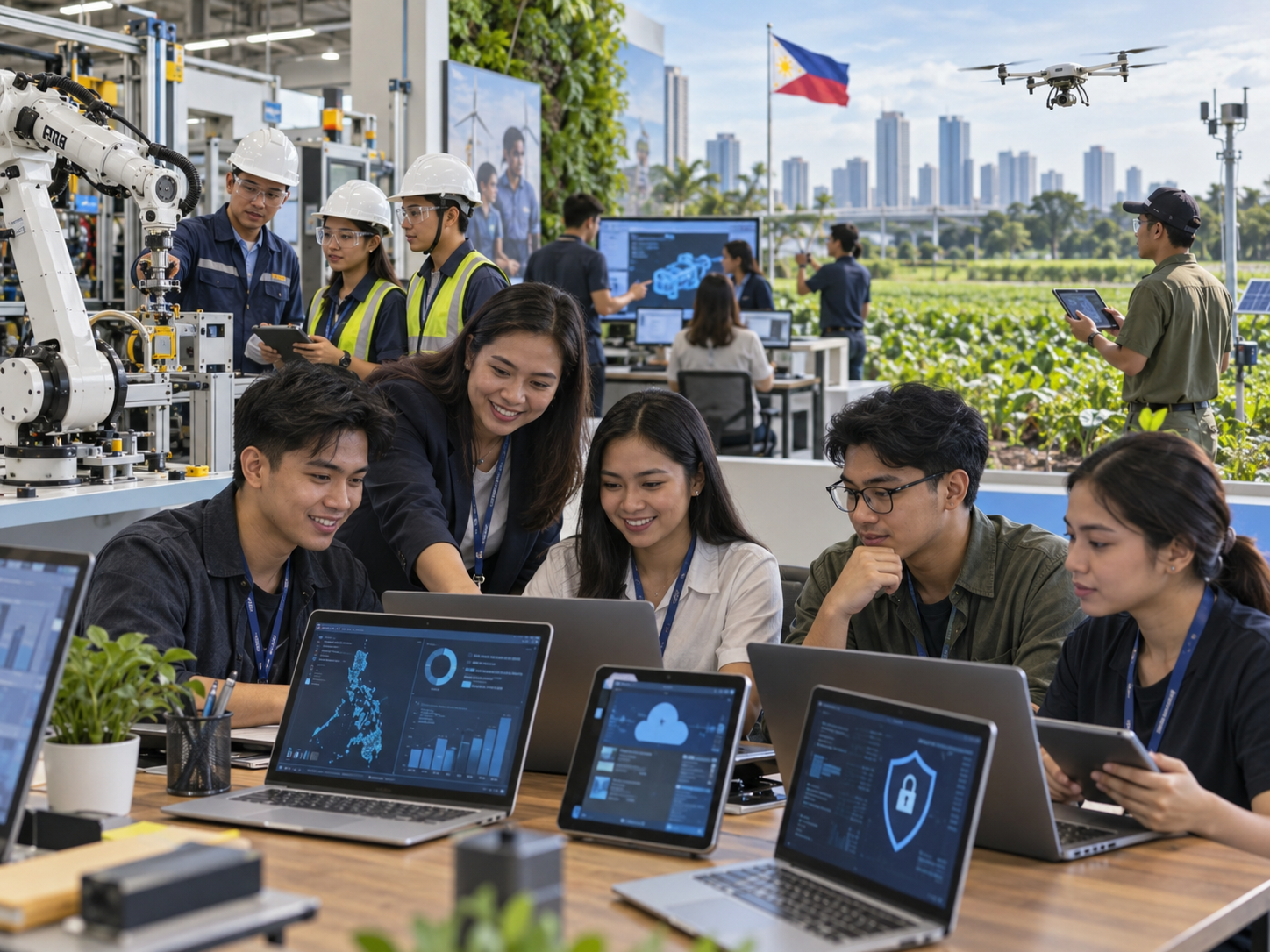
TESDA, for example, has been instrumental in providing skills development programs that cater to both the formal and informal sectors. By offering a wide range of courses, TESDA ensures that workers across various industries, from agriculture to health care, receive the training they need to thrive. These programs also emphasize hands-on experience, allowing students to apply what they have learned in real-world scenarios.
Furthermore, vocational training is becoming increasingly popular in the Philippines. Many Filipinos are opting for short-term courses that allow them to quickly enter the workforce. These programs are not only time-efficient but also highly relevant, as they are designed to meet the evolving needs of industries that are crucial to the country’s economy.
In addition to local professional training programs, many Filipinos also pursue international certifications. These certifications, often endorsed by multinational corporations or professional organizations, allow Filipinos to broaden their career opportunities beyond the Philippines. The desire to obtain international qualifications has spurred the growth of overseas training programs and collaborations with foreign institutions, ensuring that Filipino workers are competitive on a global scale.
Moreover, companies in the Philippines are increasingly investing in employee training and development. Employers recognize that a well-trained workforce is essential for business success. As a result, many organizations provide ongoing professional development opportunities, such as seminars, workshops, and online training, to help their employees advance in their careers and adapt to changing technologies.
In summary, the Philippine workforce’s competitiveness is largely driven by a combination of formal education and professional training. By offering specialized training programs and fostering partnerships with international organizations, the Philippines continues to equip its workforce with the necessary tools to succeed in a rapidly evolving global economy.