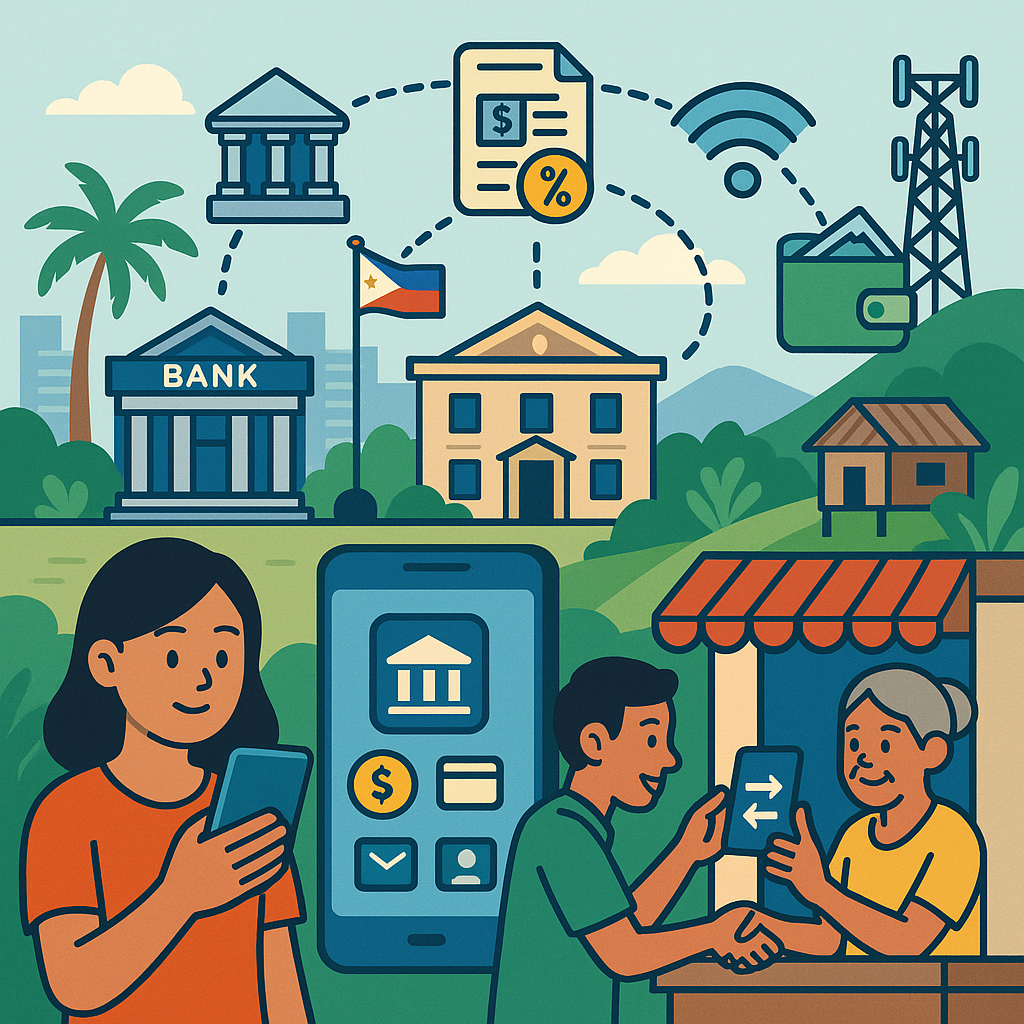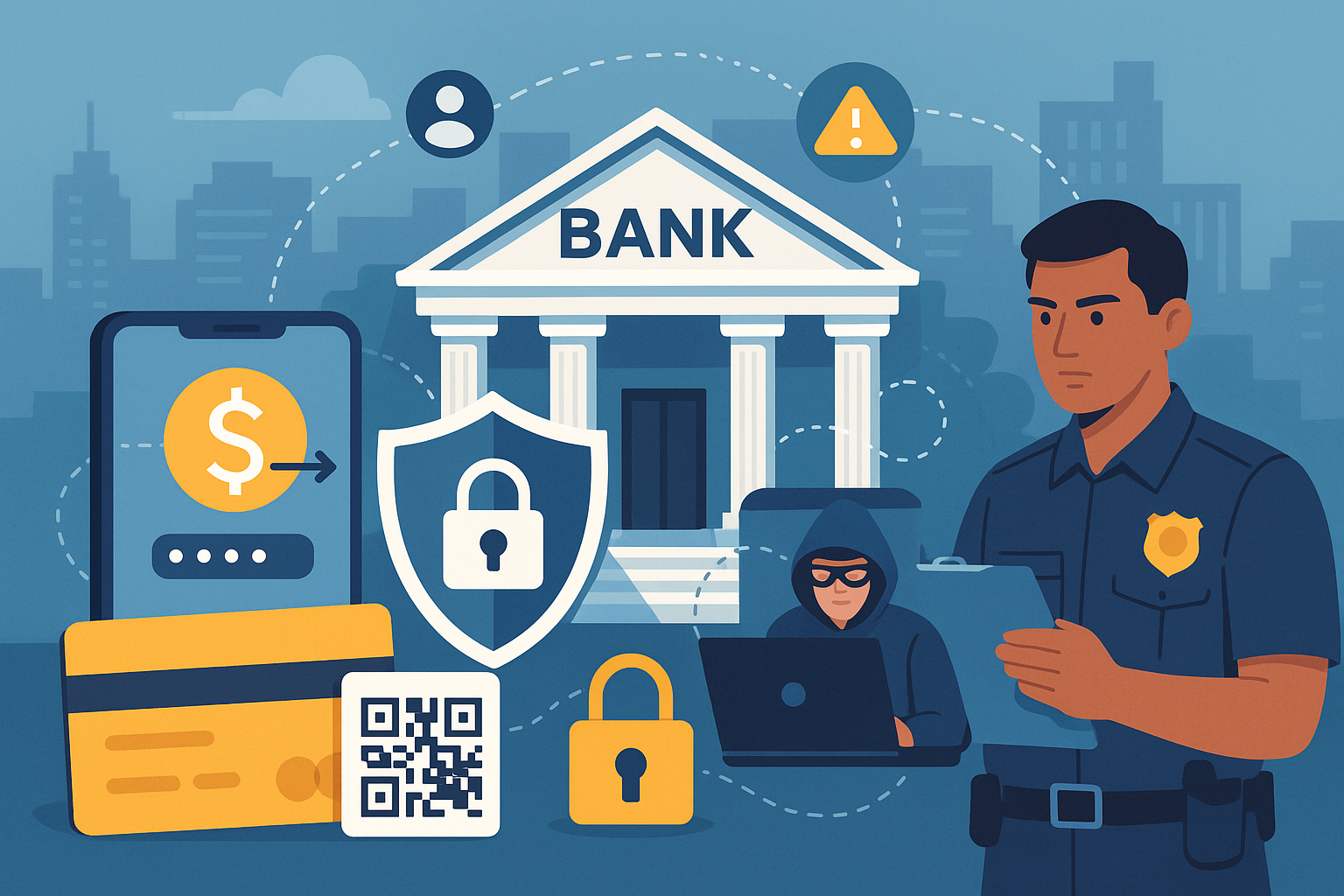
The digital transformation of the Philippine banking sector has brought undeniable benefits: faster transactions, wider financial inclusion, and more convenient customer experiences. Yet it has also exposed banks to increasingly sophisticated cyber threats. To navigate this environment, institutions must shift their mindset from viewing cybersecurity as a compliance checkbox to treating it as a central part of organizational culture and risk management.
Cyber attacks on banks in the Philippines can take many forms. Credential theft through phishing remains a popular tactic because it targets the weakest link: human behavior. Fraudsters often exploit social media, SMS, and email to trick customers and employees into revealing sensitive information. Meanwhile, distributed denial-of-service (DDoS) attacks can disrupt online banking portals, damaging both customer trust and business continuity.
Another growing concern is the rise of ransomware and targeted intrusions. Threat actors may spend weeks inside a bank’s network, moving laterally and escalating privileges before launching an attack. During this time, they can silently harvest confidential data or identify the most critical systems to encrypt. For financial institutions that handle large volumes of personal and transactional data, the consequences of such breaches reach far beyond immediate operational disruption.
Regulatory requirements in the Philippines aim to prevent such scenarios. BSP’s cybersecurity and IT risk management guidelines urge banks to establish comprehensive frameworks that cover governance, risk assessment, control implementation, monitoring, and incident response. The board and senior management carry clear accountability: they must ensure that budgets, skilled personnel, and policies are adequate to manage cyber risk. At the same time, the Data Privacy Act obliges banks to protect personal information, appoint data protection officers, and document security practices.
A mature cyber risk management program starts with identifying critical assets and processes. Banks need to map out their systems—core banking platforms, payment gateways, mobile applications, ATMs, and third-party connections—and understand the potential impacts if each is compromised. This risk-based approach helps prioritize investments in controls such as firewalls, endpoint protection, intrusion detection systems, and secure development practices.
Incident response is a crucial pillar of resilience. Philippine banks are increasingly formalizing playbooks for different scenarios, including data breaches, ransomware, and system outages. These plans define roles and responsibilities, communication procedures, evidence collection, and recovery steps. Regular simulations or “tabletop exercises” help teams practice under realistic pressure and identify gaps before a real emergency occurs.
Embedding cybersecurity into the corporate culture is equally important. Policies on acceptable use, access control, and data handling must be communicated clearly and reinforced consistently. Gamified awareness campaigns, phishing simulations, and recognition programs can encourage employees to stay vigilant. When staff members feel comfortable reporting mistakes or suspicious activity without fear of punishment, the organization benefits from early detection.
Given the interconnected nature of modern banking, collaboration is vital. Philippine banks often participate in industry forums and information-sharing platforms to exchange threat intelligence and best practices. Working closely with BSP, law enforcement agencies, and cybersecurity communities allows institutions to respond more effectively to emerging threats and coordinate in the event of large-scale incidents.
Ultimately, the most effective cybersecurity programs in Philippine banks are those that integrate technology, processes, and people under a single risk-based framework. By moving beyond minimal compliance and fostering a proactive security culture, banks can better safeguard their systems, protect customer data, and maintain trust in a financial landscape increasingly defined by digital interactions.