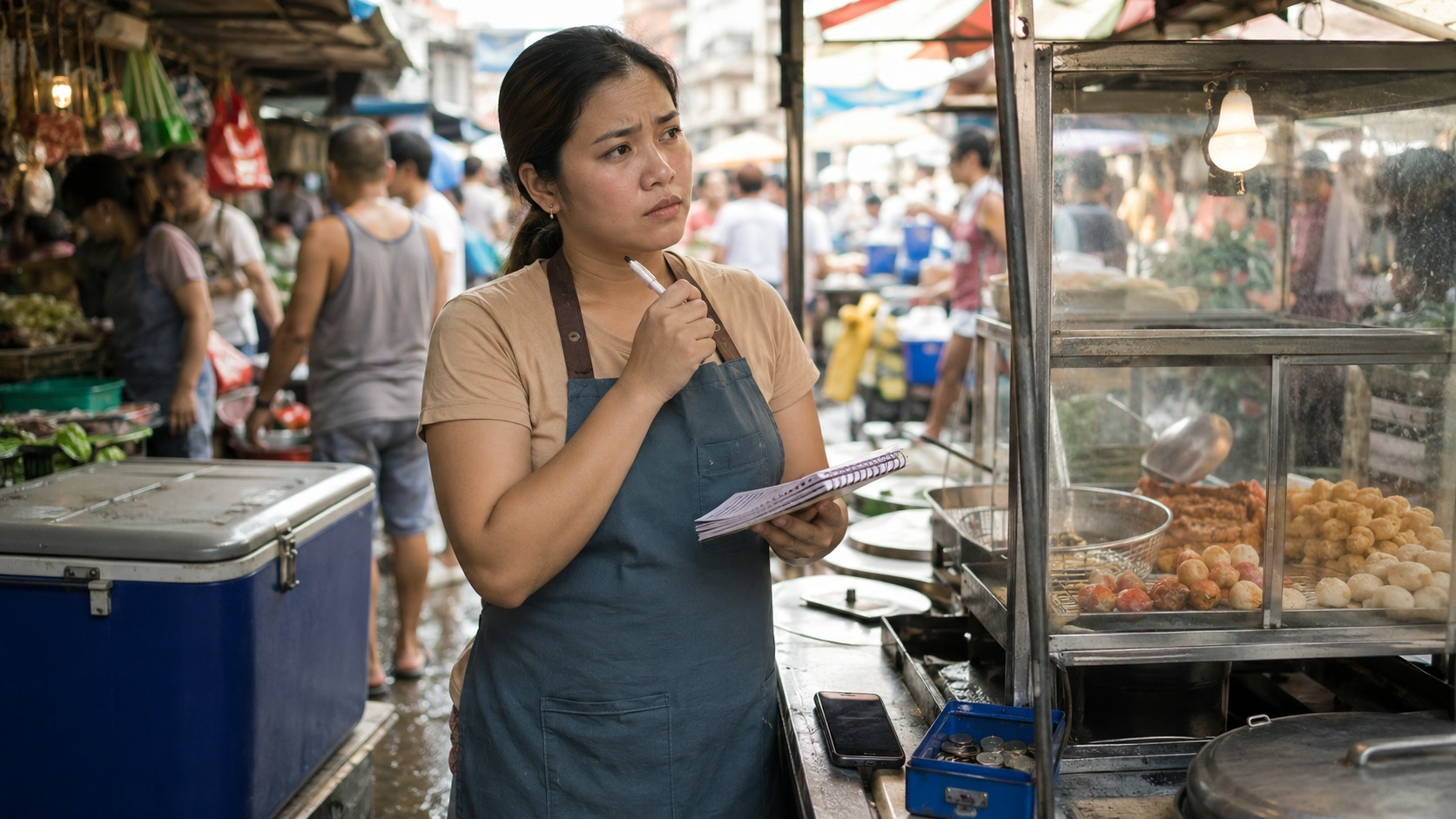
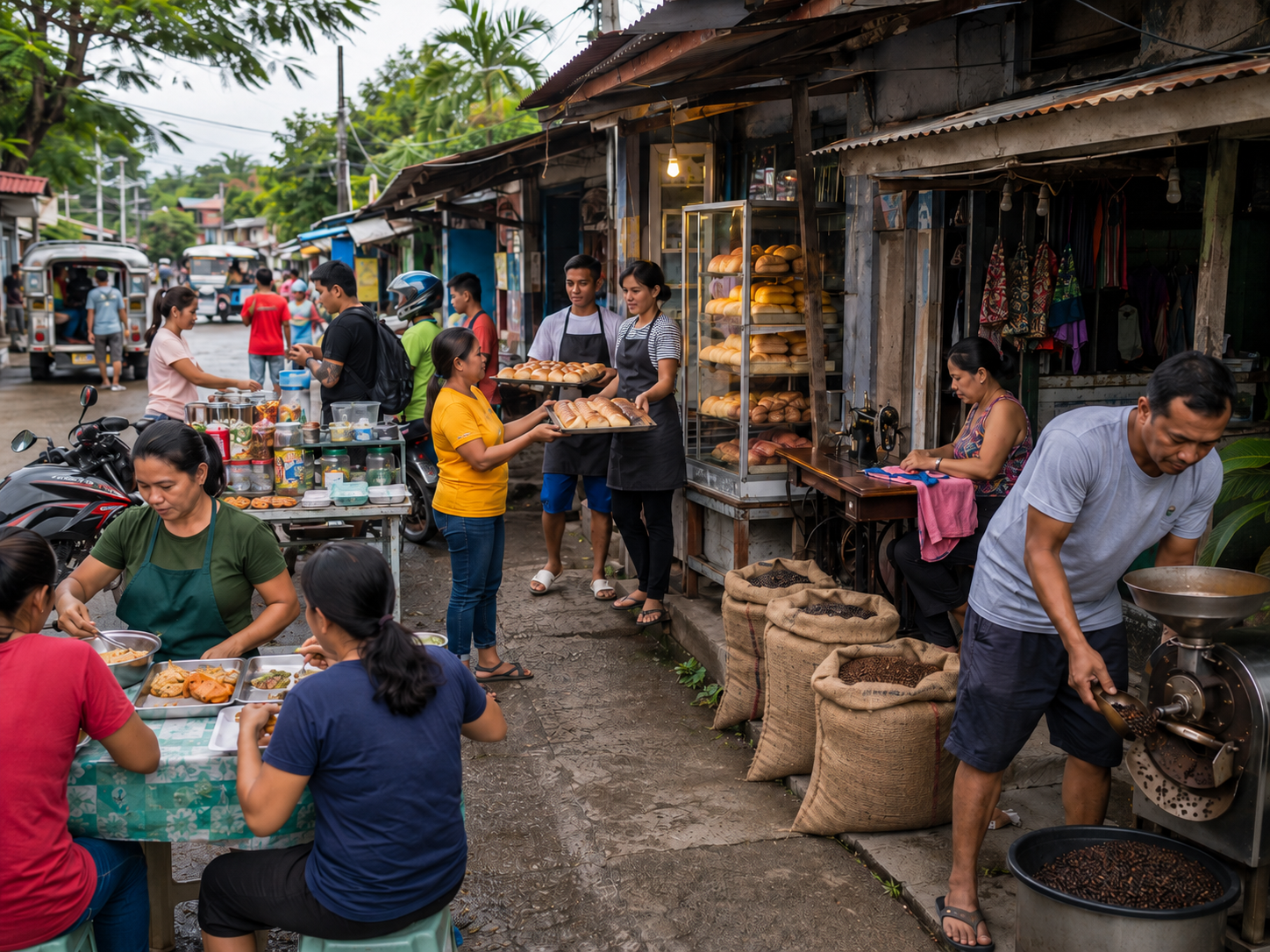
Financing remains the sharpest bottleneck facing many Filipina founders. Traditional collateral rules often require land titles that women may not hold, and credit scoring models can overlook informal yet robust cash flows. Even when loans are available, ticket sizes, tenor, and repayment schedules may not match the rhythms of seasonal sales or the realities of caregiving.
Reforms around movable collateral have begun to widen the door by allowing borrowers to pledge inventory, equipment, and receivables. As lenders adopt alternative data—platform sales histories, e‑wallet flows, and supplier references—thin‑file entrepreneurs can demonstrate reliability without extensive paperwork. Pairing these tools with financial education on pricing, cash‑flow planning, and tax compliance turns credit into real capability rather than short‑lived relief.
Microfinance institutions have long provided on‑ramps. Group lending, doorstep collection, and bundled micro‑insurance reduce friction and help entrepreneurs absorb shocks from illness, floods, or supply disruptions. The next step is graduation pathways: larger, longer‑tenor loans; embedded coaching on inventory turns and unit economics; and digital bookkeeping so performance is visible to banks and investors. Public credit guarantee schemes and performance‑based interest rebates can further de‑risk first‑time borrowers.
Beyond debt, diversify the capital stack. Purchase‑order financing and invoice discounting smooth cash gaps for suppliers to groceries, hotels, or export consolidators. E‑commerce platform lending can be potent when paired with training on ads and conversion, not just more working capital. Angel networks and gender‑smart funds can back asset‑light service firms, creative studios, and social enterprises that banks find hard to underwrite. Diaspora remittances, when treated as patient equity rather than consumption, can seed store expansions or equipment upgrades.
Finally, design products around women’s realities. Offer repayment calendars that account for school terms and holiday sales peaks. Provide childcare during loan orientations, and schedule sessions near transport hubs. Publish clear grievance channels to address harassment or opaque fees. When finance respects context and bundles knowledge, women‑led businesses shift from survival to scale—hiring staff, formalizing operations, and moving into higher‑value segments of the economy.