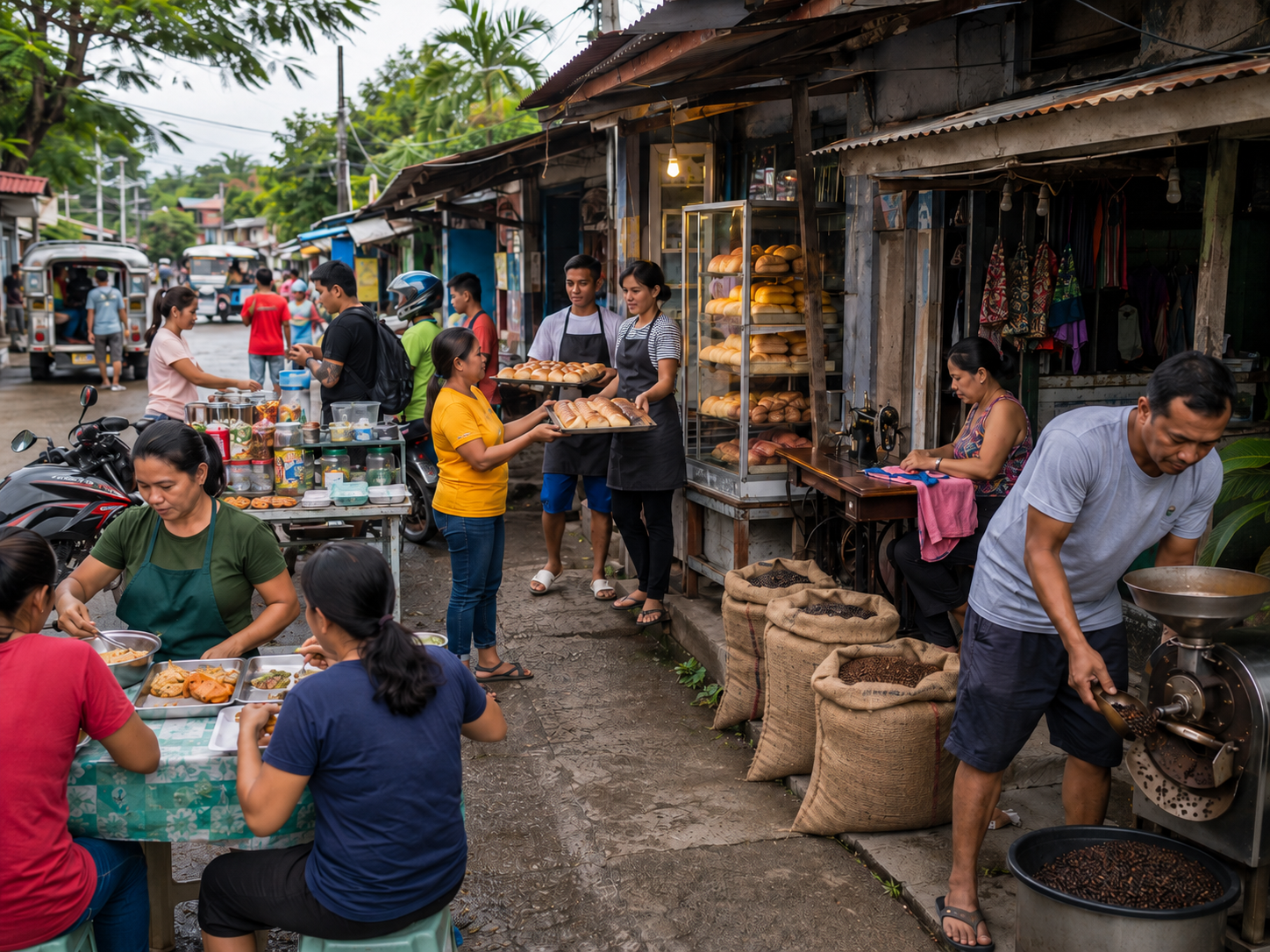
Small and Medium Enterprises (SMEs) play an essential role in the Philippine economy, providing jobs, driving innovation, and contributing to local development. However, SMEs in the Philippines face a wide range of challenges that can make it difficult for them to grow and succeed. These challenges range from financial issues to regulatory hurdles, each of which requires targeted solutions for businesses to overcome them.
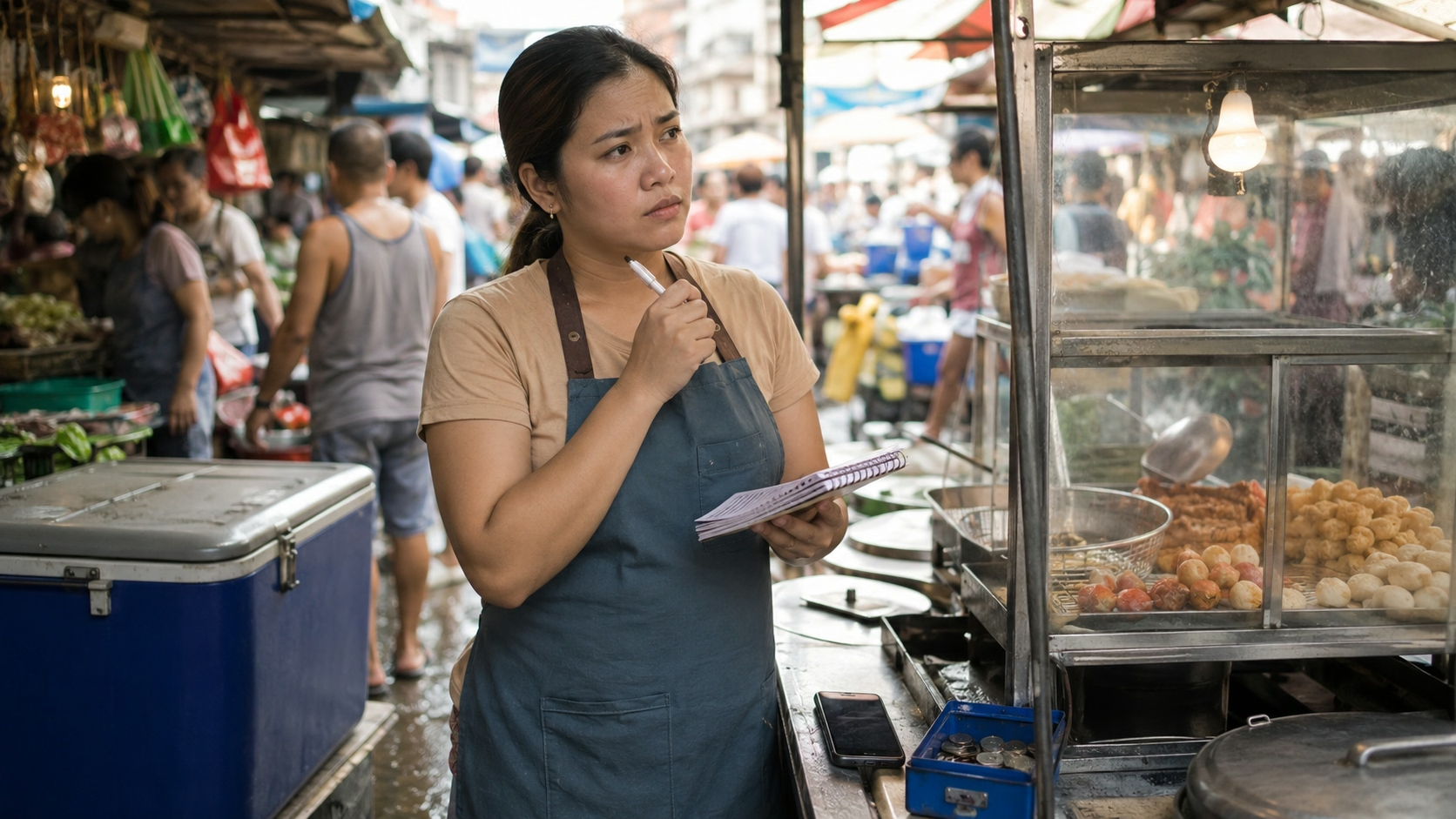
One of the most significant issues faced by SMEs is the lack of access to financing. Many small business owners in the Philippines find it difficult to secure loans or credit from banks, largely due to stringent requirements such as collateral and credit history. This limited access to funds makes it harder for businesses to scale, invest in new technologies, or even cover operational expenses.
Regulatory challenges are another key obstacle for SMEs. Navigating the complex web of government regulations and obtaining necessary permits and licenses can be a frustrating and time-consuming process. Often, small business owners are overwhelmed by bureaucracy and are unsure of where to go for assistance. This regulatory burden can divert valuable time and resources away from core business operations.
In addition to financial and regulatory difficulties, many SMEs struggle with finding skilled workers. While the Philippine labor force is large, there is often a mismatch between the skills of workers and the needs of businesses. SMEs often lack the resources to provide comprehensive training programs, leading to a shortage of qualified employees in specialized fields.
Another challenge for SMEs is competition from larger, more established businesses. Large corporations often have the advantage of economies of scale, well-established supply chains, and greater brand recognition, which allows them to offer products and services at lower prices. As a result, SMEs may struggle to attract customers and generate enough revenue to remain competitive.
Infrastructure challenges also significantly impact SMEs. In rural areas, poor roads and unreliable transportation systems can hinder the efficient movement of goods, raising operational costs. Furthermore, slow and inconsistent internet connectivity in some areas limits SMEs’ ability to take full advantage of e-commerce, digital marketing, and online sales channels.
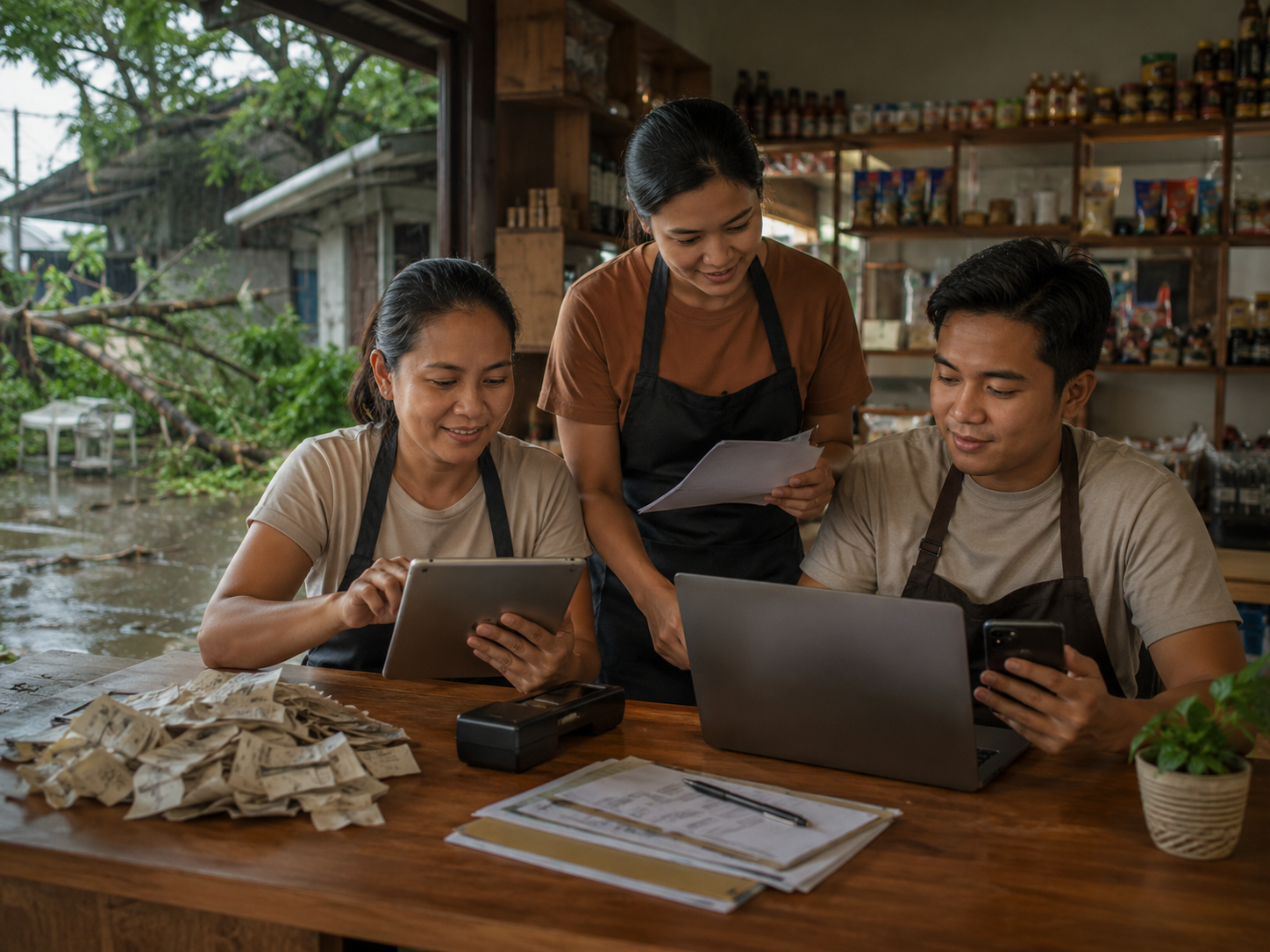
Finally, the uncertainty caused by external factors such as global economic conditions and natural disasters presents an ongoing risk for SMEs. The recent pandemic has illustrated how vulnerable small businesses are to disruptions in global supply chains and changes in consumer behavior. As a result, SMEs need to be agile and adaptable to survive in an increasingly volatile environment.
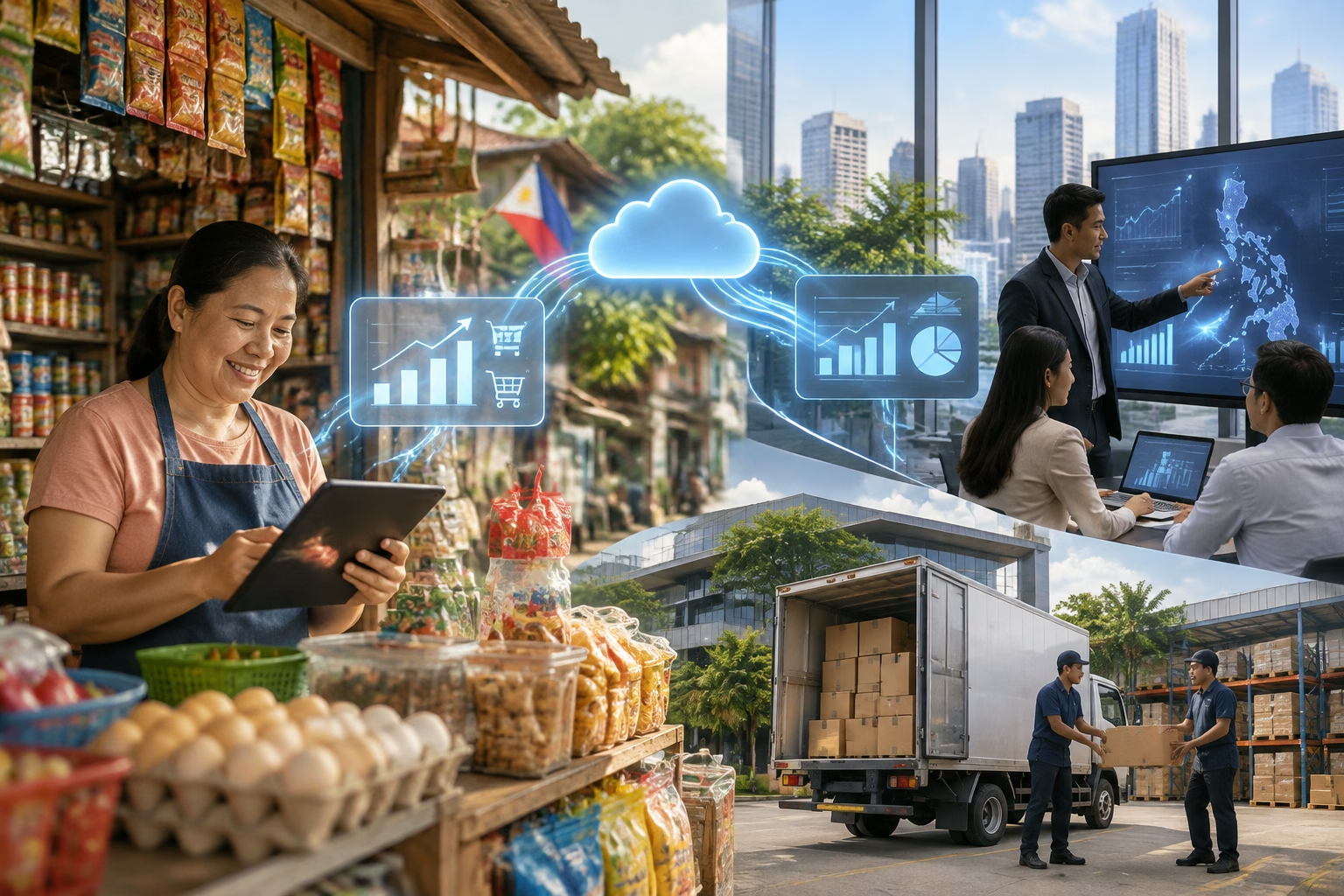
While these challenges are significant, many SMEs have found ways to innovate and thrive. Government initiatives that provide access to financing and support entrepreneurship are vital in helping businesses overcome financial barriers. Additionally, digital transformation offers SMEs new opportunities for growth by allowing them to reach wider audiences and streamline operations. By addressing these challenges, SMEs in the Philippines can continue to contribute to the nation’s economy and develop sustainable business practices.