


The Gap Between a Product and a Global Customer
A Filipino entrepreneur can now list a jar of premium muscovado sugar on an international marketplace in minutes. Getting that jar into a customer’s kitchen in California involves a different order of complexity. The distance between listing and delivery is where most cross-border ambitions for Philippine MSMEs either mature or collapse.
The obstacles are not mysterious. They are operational, financial, and regulatory—and they compound for businesses without dedicated export departments. A 2026 report on the Philippines’ cross-border e-commerce market identified three persistent friction points: customs valuation complexity for shipments exceeding PHP 10,000, international logistics windows of 11 days to 3 weeks, and consumer trust deficits that favor familiar local sellers over unknown overseas merchants .
Payments: The Silent Bottleneck
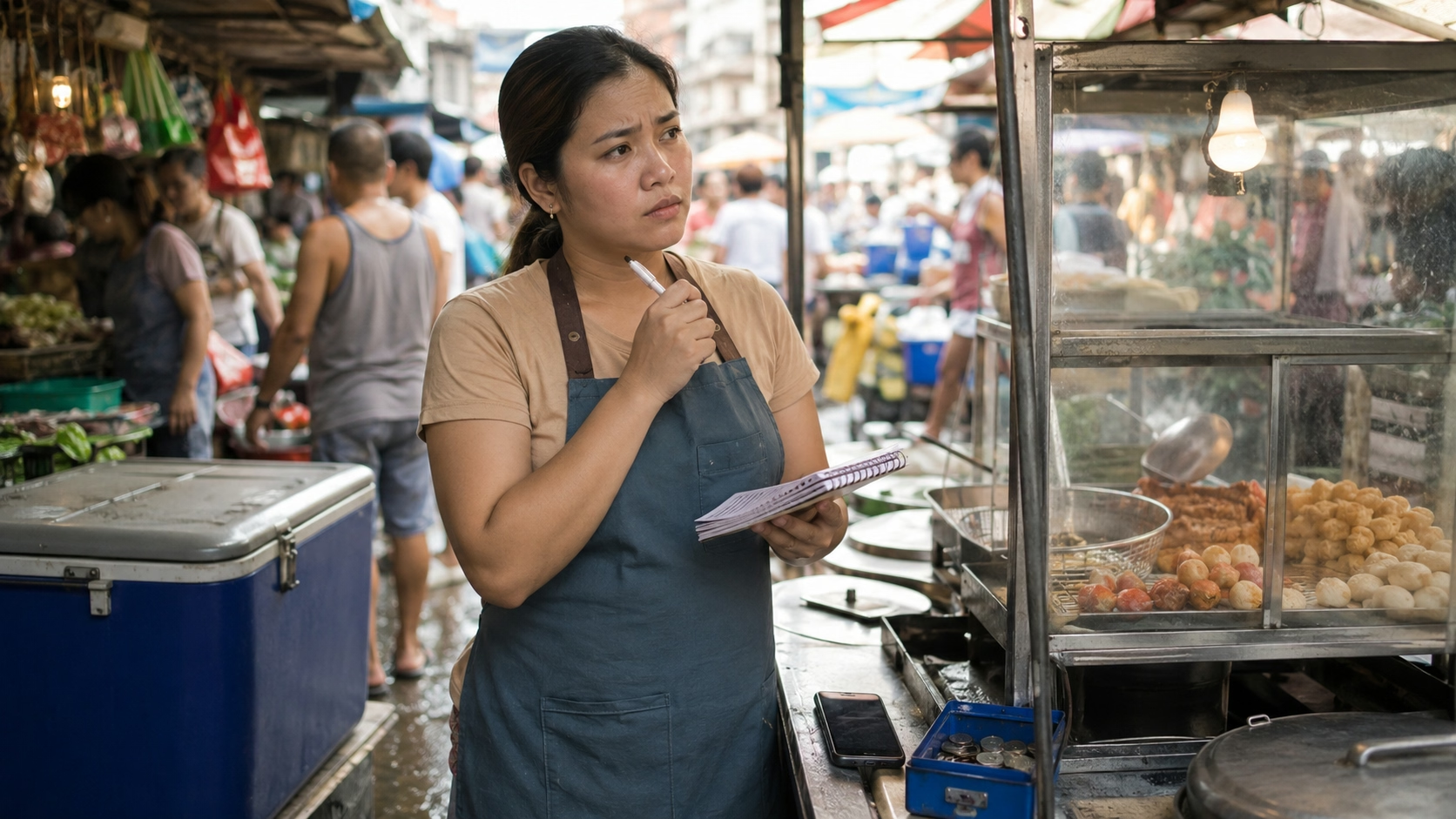
Perhaps the most underestimated barrier is money movement. According to the Philippine Statistics Authority’s 2024 National ICT Household Survey, 87.9 percent of online sellers still accept cash on delivery, while only 56.5 percent accept electronic or mobile wallets . On the consumer side, 97.6 percent of online buyers prefer cash on delivery—a preference rooted partly in security concerns .
For cross-border transactions, this payment culture creates a mismatch. International buyers expect card payments, digital wallets, or bank transfers. Filipino sellers accustomed to COD must build entirely new financial workflows, often without the volume to negotiate favorable foreign exchange rates or settlement terms.
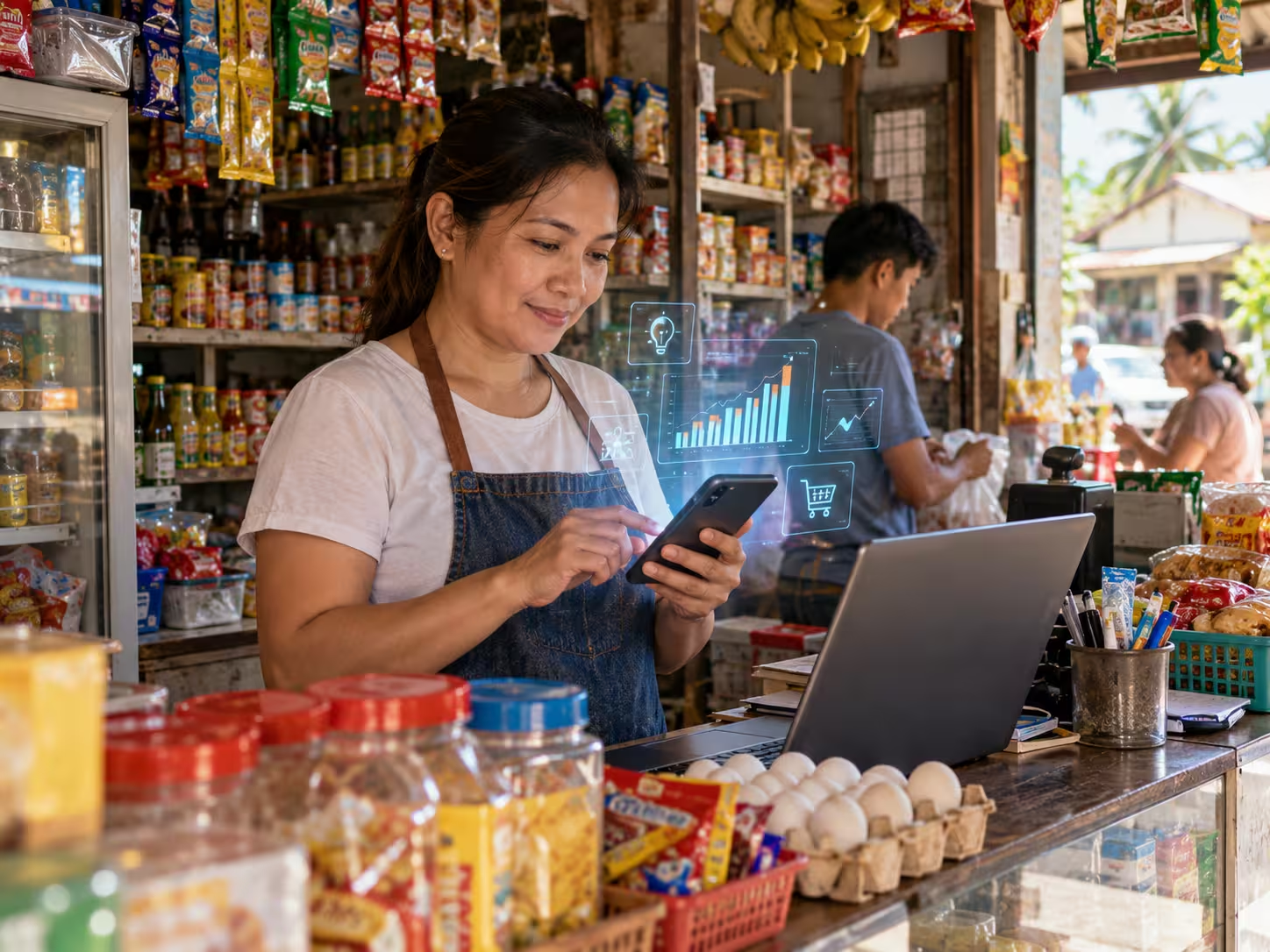
Coins.ph Global Marketing Director Amira Alawi noted in a September 2026 interview that digital platforms have made it easier for Filipino brands to reach overseas customers, but “the harder part is managing the business once it starts crossing borders, particularly payments, cash flow, multiple currencies, and the systems needed to support a growing operation” .
The Formalization Question
A subtler barrier is informality. Many Philippine micro-enterprises operate without formal business registration. Without the e-KYC identity checks required to connect to regional payment gateways or use paperless customs systems like the ASEAN Single Window, these businesses are structurally excluded from the benefits of trade agreements . The risk, as analysts have noted, is a “two-speed” digital economy: larger firms capture regional opportunities while smaller ones remain confined to domestic trade.
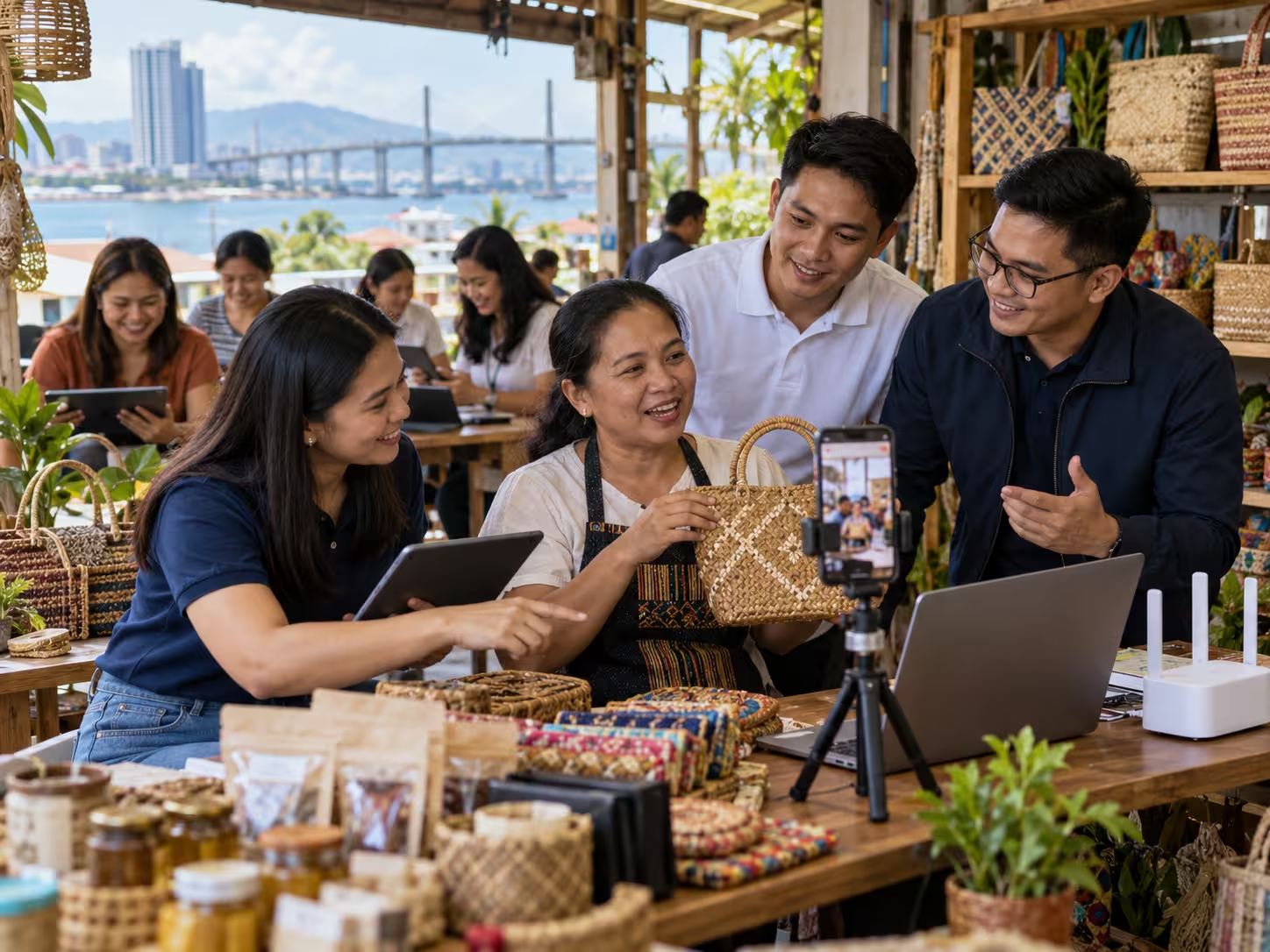
Government programs are attempting to bridge this gap. The DTI’s Itaas ang Pinay initiative offers virtual workshops and regional support to help small businesses transition from informal to formal operations and eventually to cross-border sales . The Western Visayas Export Development Roadmap includes an e-Export Academy specifically designed to address digital marketing and online sales skills . These are demand-side interventions—teaching sellers what they need to know.
Logistics as the Next Frontier
The supply side is also shifting. The Manila International Container Terminal’s expansion adds approximately 200,000 TEUs of annual capacity, improving the infrastructure base for consolidated flows . Customs Administrative Order 01-2025 introduced a dedicated e-commerce clearance architecture, allowing technology providers to automate advance data, risk screening, and duty calculation .
For the individual MSME, these macro improvements matter only if they translate into predictable shipping costs and transparent delivery timelines. That translation is still uneven. But the direction of travel is clear: the systems that once made cross-border selling prohibitively complex for small businesses are being rebuilt, one administrative order at a time.







Leave a Reply