

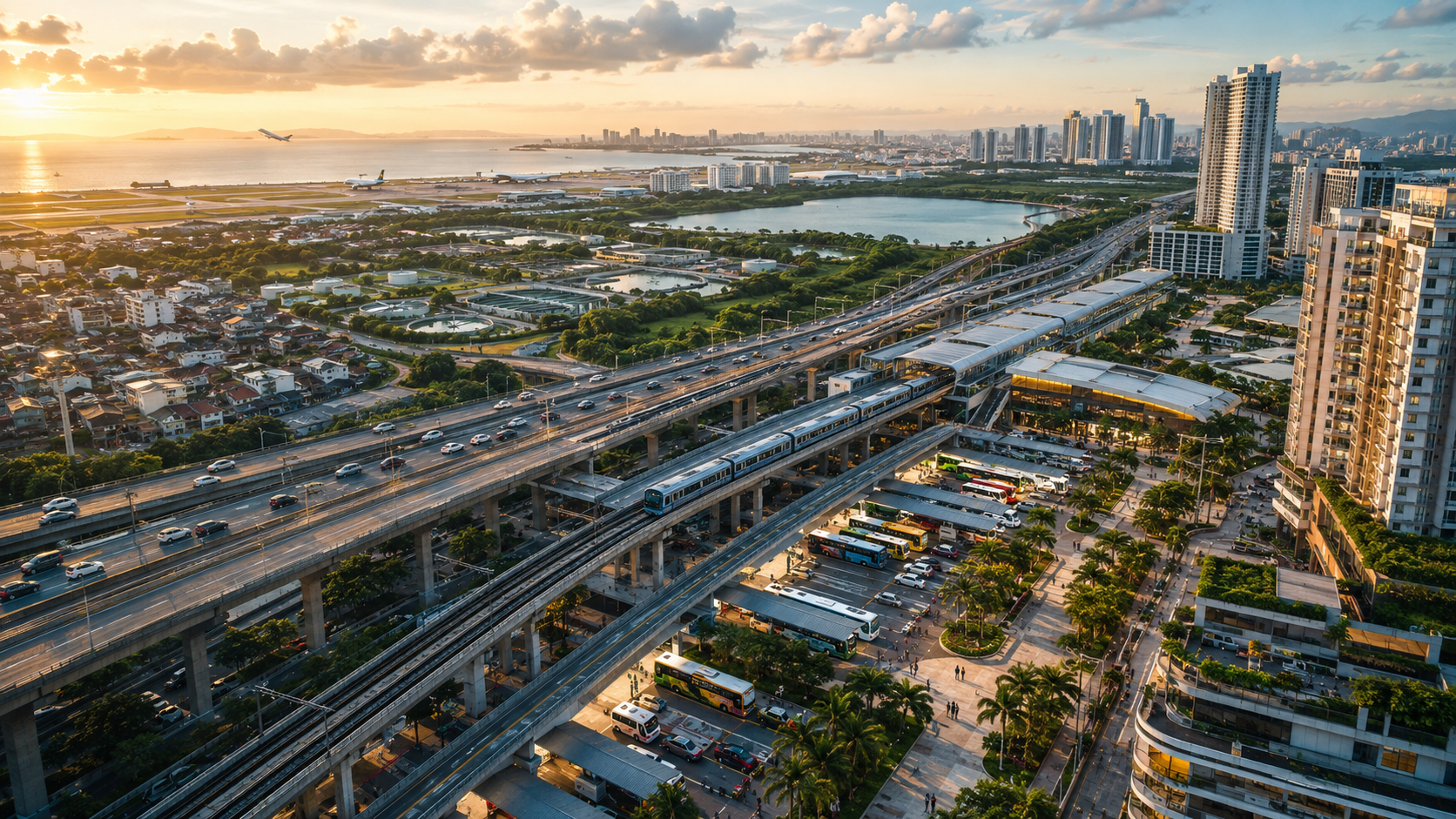
As Philippine cities swell into mega-regions, the challenge of moving people, water, and data efficiently has turned into a national priority. Instead of relying solely on state agencies, the country has leveraged the balance sheets and technical know-how of its largest corporations. These industrial groups, once defined by beer, banking, or real estate, now operate toll roads, airports, rail lines, and water systems that stitch together an increasingly urbanised archipelago.
A Nation Dependent on Private Infrastructure Execution
The 2026 PPP pipeline published by the Public-Private Partnership Center reveals that private capital accounts for 35 percent of the total cost of flagship infrastructure projects, up from 25 percent a decade ago (https://ppp.gov.ph/). This surge is not accidental. Limited fiscal space has prompted government to offer attractive concession agreements, while conglomerates seek stable, long-term yields away from cyclical consumer markets. The outcome is a dense web of privately managed public assets that directly shape urban form.
San Miguel’s Skyway and the Decongestion Effect
San Miguel Corporation, through its infrastructure arm, has built a continuous elevated expressway that slashes travel time across Metro Manila. The Skyway Stage 3, linking Buendia in Makati to Balintawak in Quezon City, has diverted significant traffic from local roads. Combined with the ongoing MRT-7 project—which will soon run from North Avenue to San Jose del Monte, Bulacan—SMC is delivering multi-modal relief for the metropolis. The group’s Bulacan airport, now in partial operation, is planned as a catalyst for a new aerotropolis north of the capital, complete with logistics hubs and residential districts.
Ayala’s Full-Stack Urbanism
Ayala Corporation prefers a holistic approach. AC Infrastructure’s rail project, the LRT-1 Cavite Extension, now serves an additional five stations, linking Bacoor and Imus to central Manila. This railway corridor is surrounded by Ayala Land’s master-planned estates that mix condominiums, offices, and retail, giving residents access to mass transit steps from their homes. Simultaneously, Manila Water’s service improvements have increased 24-hour water availability in eastern Metro Manila to 99 percent, an essential metric for any modern city. Ayala’s toll road in Cebu, the Cebu-Cordova Link Expressway, not only shortens the commute between Mactan and Cebu City but also raises land values in formerly sleepy fishing villages.
Metro Pacific’s Road Network as Urban Spine
Metro Pacific Tollways Corporation has transformed former agricultural corridors into thriving industrial belts. CALAX, once fully completed, provides a direct link from the Manila-Cavite Expressway to the South Luzon Expressway, pulling manufacturing and logistics firms inland and relieving port congestion. The NLEX-SCTEX corridor continues to attract data centres and warehousing facilities, while the connector road projects integrate NLEX with the Skyway system, creating a unified elevated freeway ring. These roads effectively dictate where new suburbs and commercial hubs emerge.
Megawide and the Integrated Terminal Concept
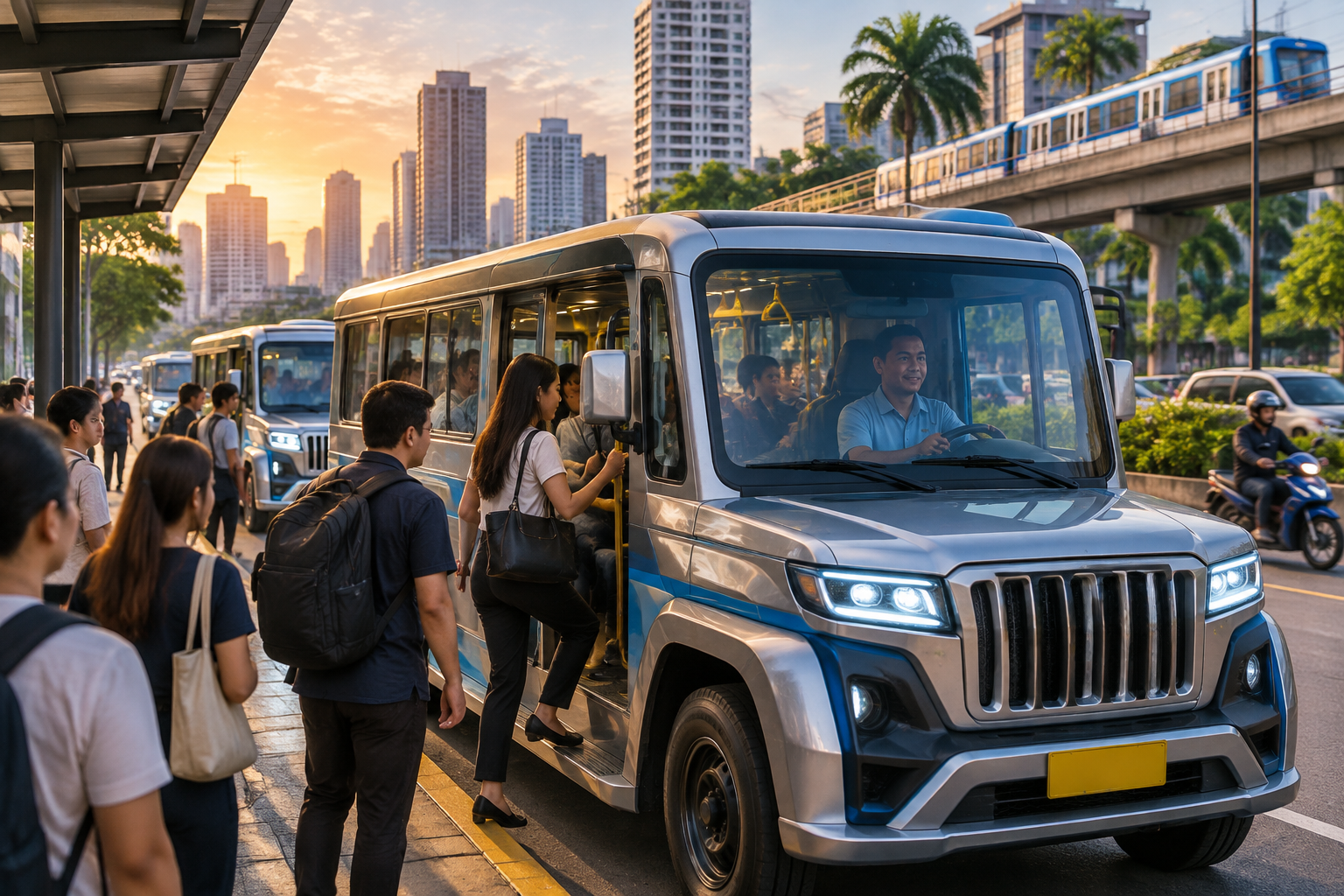
Megawide’s PITX in Parañaque serves as a living experiment in multi-modal integration. The terminal’s design allows passengers to transfer from provincial buses to city buses, modern jeepneys, and soon the LRT-1 extension, without ever stepping into street-level traffic. The concept is being studied for replication in other congested nodes like Alabang and Cubao. Megawide’s expertise in prefabrication is also accelerating school building programs in urban poor areas, a crucial social investment for inclusive growth.
Aboitiz InfraCapital’s Digital and Water Edge
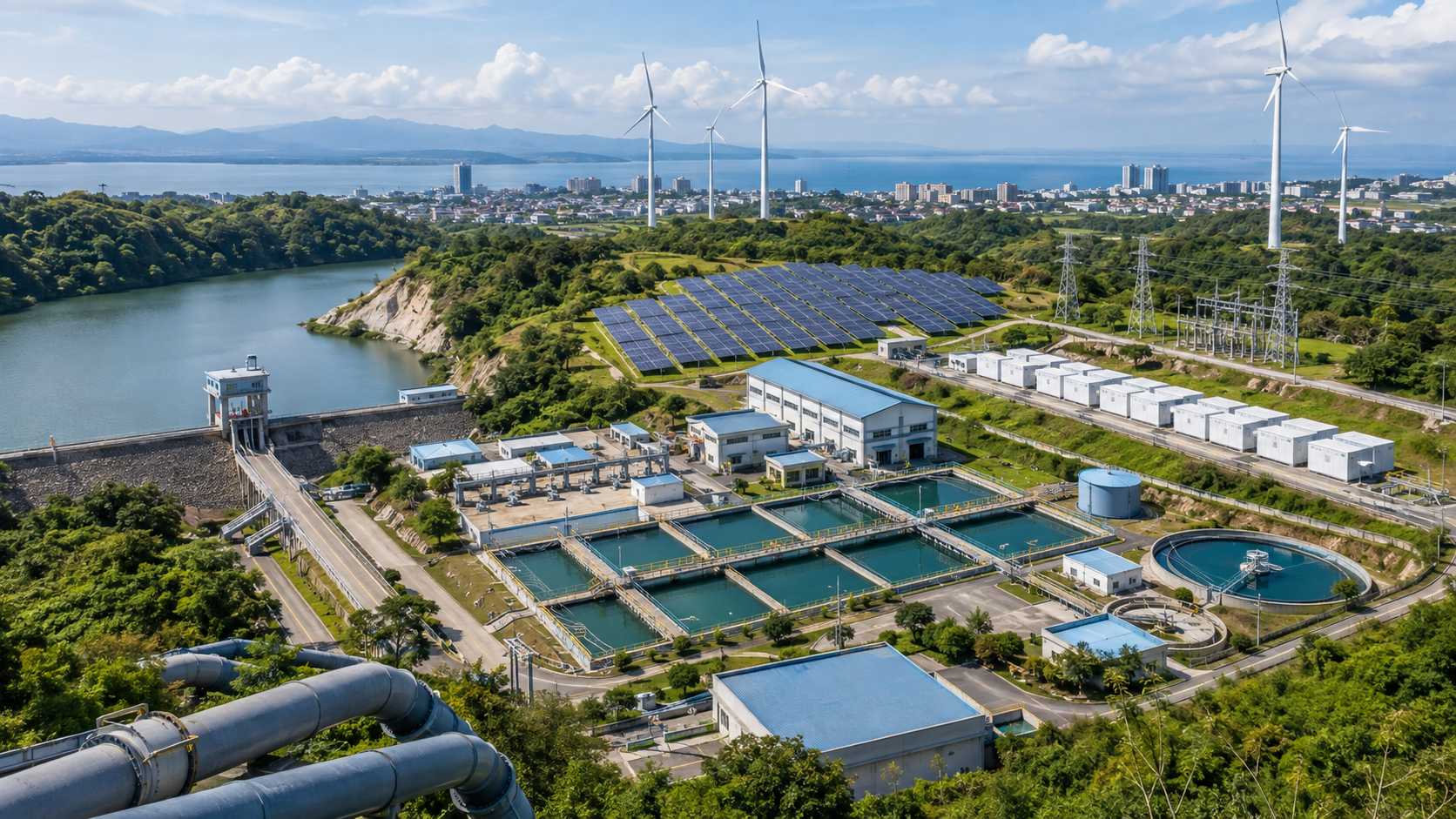
Aboitiz InfraCapital is positioning itself at the intersection of urbanisation and technology. The Laguindingan Airport modernisation project includes a digital tower system that can handle 20 percent more aircraft movements. Its water enterprises, such as Apo Agua Infrastructura in Davao, use a run-of-river hydroelectric plant to power water treatment, enabling a carbon-neutral supply chain for the city’s growing population. AIC’s smart economic estates are designed with underground cabling, district cooling, and centralised waste management, setting a new standard for Philippine business parks.
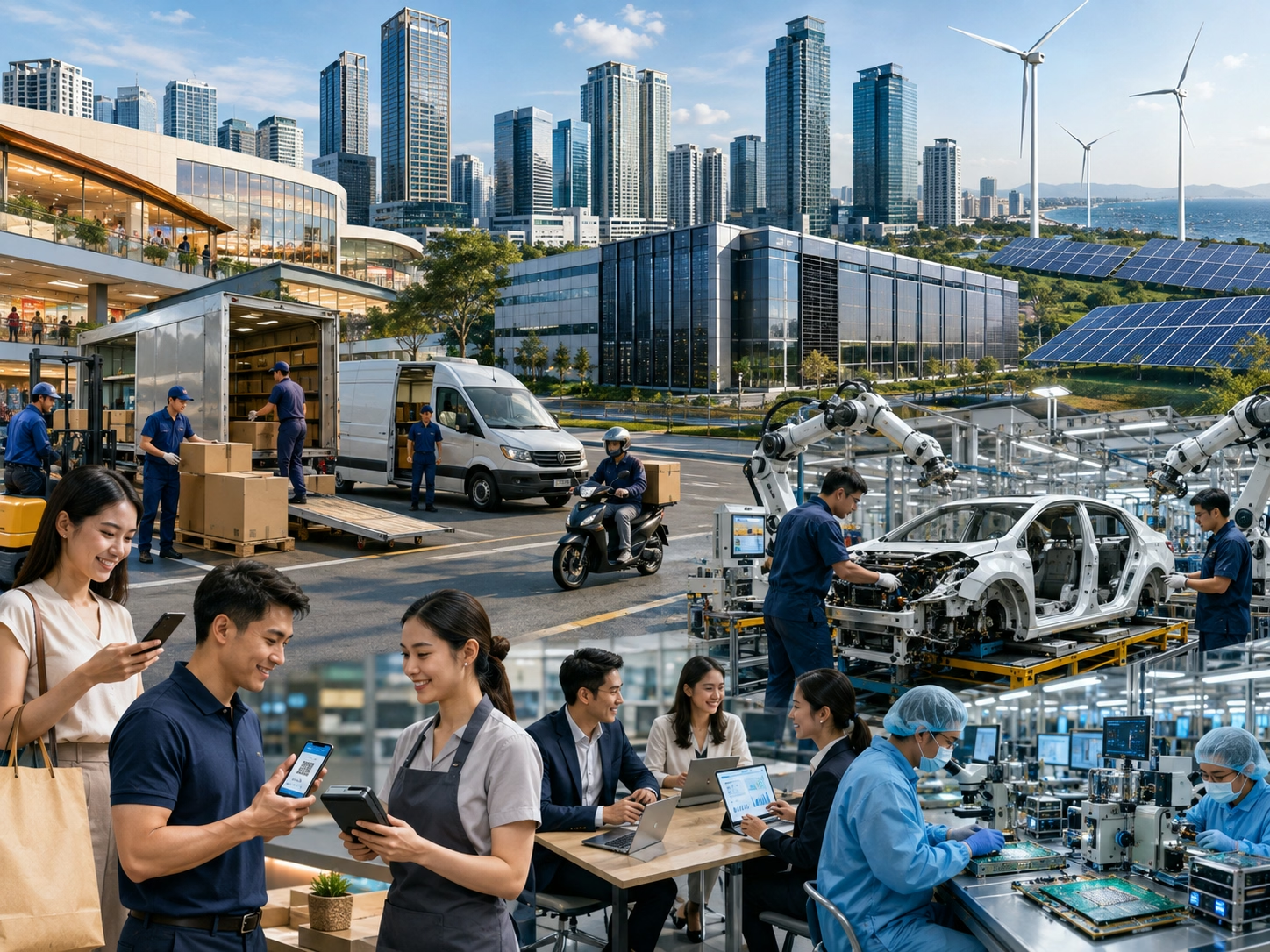
These corporate-led initiatives are not just concrete and steel; they define where jobs concentrate, how goods move, and who gains access to basic services. The data from the government’s 2026 PPP pipeline confirms that private momentum is entrenched, signalling a future where conglomerates remain indispensable architects of urban development.







Leave a Reply