


The rapid growth of financial technology (fintech) in the Philippines is reshaping the way micro, small, and medium enterprises (MSMEs) access financial services. For decades, many small businesses struggled to obtain loans due to strict banking requirements, insufficient collateral, and limited credit histories. These challenges prevented thousands of entrepreneurs from expanding operations, purchasing equipment, or investing in new market opportunities.
Today, fintech innovation and digital banking platforms are creating a new pathway for MSMEs by introducing faster, more flexible, and technology-driven financial solutions. Through digital lending, online payment systems, and data-based credit evaluation, small businesses are gaining access to financial resources that were previously difficult to obtain.
Traditional Financing Barriers Continue to Challenge Small Businesses
MSMEs represent a significant part of the Philippine economy, but many remain underserved by traditional financial institutions. Conventional banks often require extensive documentation, stable income records, and physical collateral before approving business loans.
For microentrepreneurs, these requirements can become major obstacles. Small retailers, online sellers, food vendors, and family-owned businesses frequently operate with limited financial records, making it difficult for banks to evaluate their creditworthiness.
This financing gap has encouraged the rise of alternative financial providers that use technology to understand business performance beyond traditional banking measurements.
Instead of focusing only on assets and credit history, fintech companies analyze digital payment records, sales transactions, and business activity patterns. This approach allows lenders to identify promising entrepreneurs who may have previously been excluded from formal financing channels.
Digital Banks Introduce New Opportunities for MSME Entrepreneurs
The emergence of digital banks has become one of the most important developments in the Philippine financial sector. Unlike traditional banks, digital banks operate primarily through online platforms, reducing operational costs and improving accessibility.
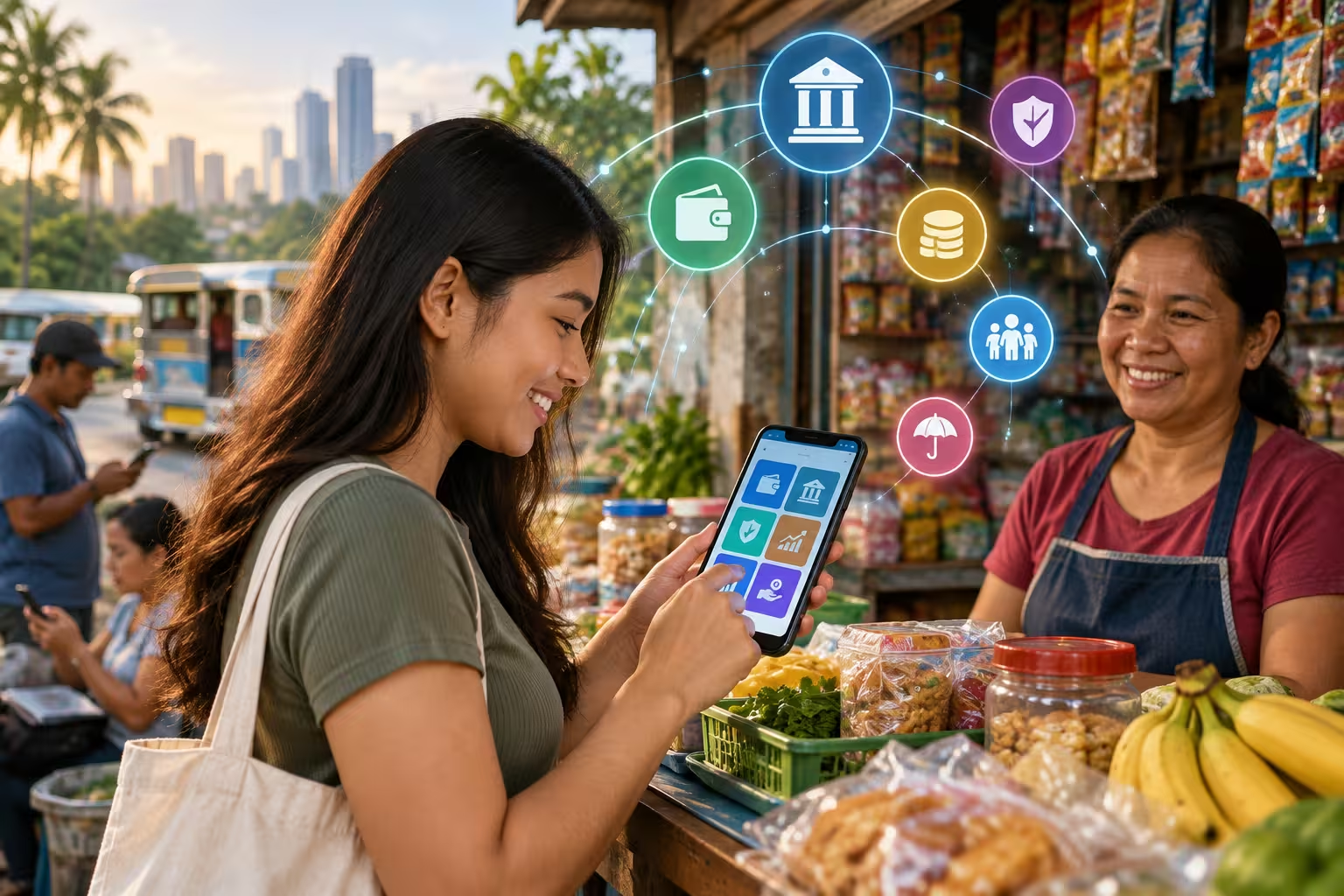
For MSMEs, digital banks offer several advantages, including easier account registration, faster transactions, and customized financial products. Entrepreneurs can manage business finances through mobile applications without visiting physical branches.
The Bangko Sentral ng Pilipinas (BSP) has actively supported digital banking growth as part of its broader financial inclusion strategy. The central bank has issued digital banking licenses and encouraged innovation while maintaining regulatory standards.
According to BSP financial inclusion data, digital financial services continue expanding as more Filipinos use online platforms for payments, savings, and financial management. Updated information on the country’s digital finance development can be accessed through:
https://www.bsp.gov.ph/Pages/InclusiveFinance/InclusiveFinance.aspx
The expansion of digital banking provides MSMEs with stronger connections to formal financial systems and creates opportunities for long-term business development.
Alternative Lending Uses Data to Support Underserved Businesses
One of the most significant fintech contributions to MSME growth is the development of alternative lending models. These platforms use artificial intelligence, automated risk assessment, and digital transaction analysis to evaluate borrowers.
For example, an online clothing seller with consistent monthly sales through digital marketplaces may qualify for financing based on transaction performance rather than property ownership.
This model is particularly valuable for young entrepreneurs and small businesses operating in emerging sectors such as e-commerce, online services, and digital content creation.
Several Philippine fintech companies are developing solutions that combine lending with business management tools. Entrepreneurs can receive financing while also gaining access to payment processing, accounting support, and financial monitoring systems.
This integrated approach helps MSMEs improve financial discipline and build stronger business records.
Real-World Impact: Digital Commerce Drives Financial Innovation
The growth of online entrepreneurship in the Philippines demonstrates how financial infrastructure and digital business ecosystems are becoming increasingly connected.
During and after the pandemic period, thousands of Filipinos shifted toward online selling through platforms such as Lazada, Shopee, TikTok Shop, and social commerce channels. Many of these sellers initially operated informally but gradually adopted digital payment methods and online banking services.
As transaction data becomes available, these businesses gain greater visibility within the financial system. A small online seller who previously had no relationship with banks can now establish a digital financial identity based on actual business performance.
This development represents a major shift in how financial institutions assess MSME potential.
Strengthening Digital Trust and Financial Security
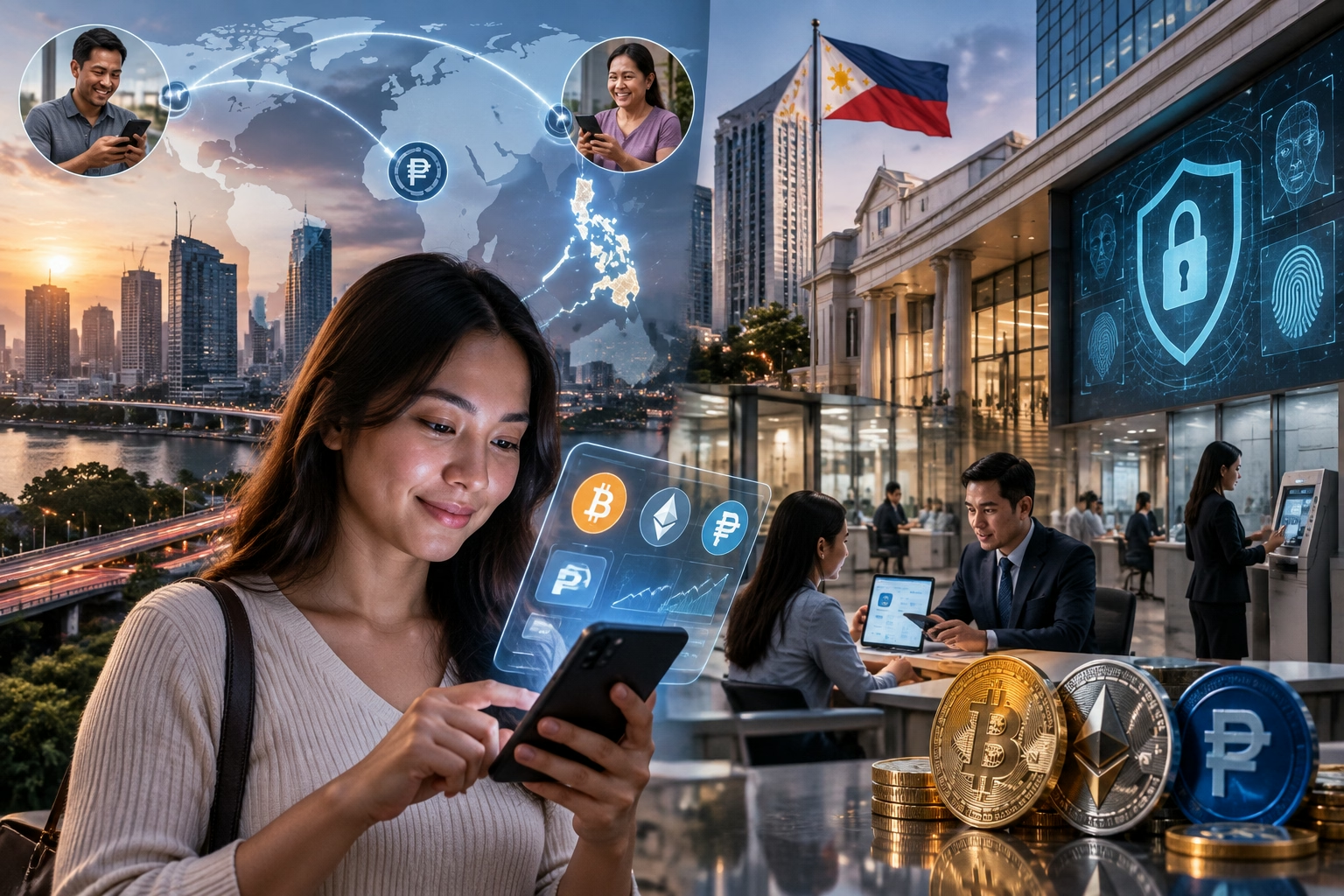
Although fintech provides significant opportunities, the expansion of digital finance also requires stronger cybersecurity protection and consumer awareness.
Small businesses must understand safe digital practices, including protecting financial accounts, verifying online transactions, and managing digital records properly.
The Philippine financial sector continues improving regulatory frameworks to ensure that innovation develops alongside consumer protection. Secure digital infrastructure will be essential for maintaining confidence among entrepreneurs adopting new financial technologies.
Future Outlook for Fintech-Driven MSME Growth
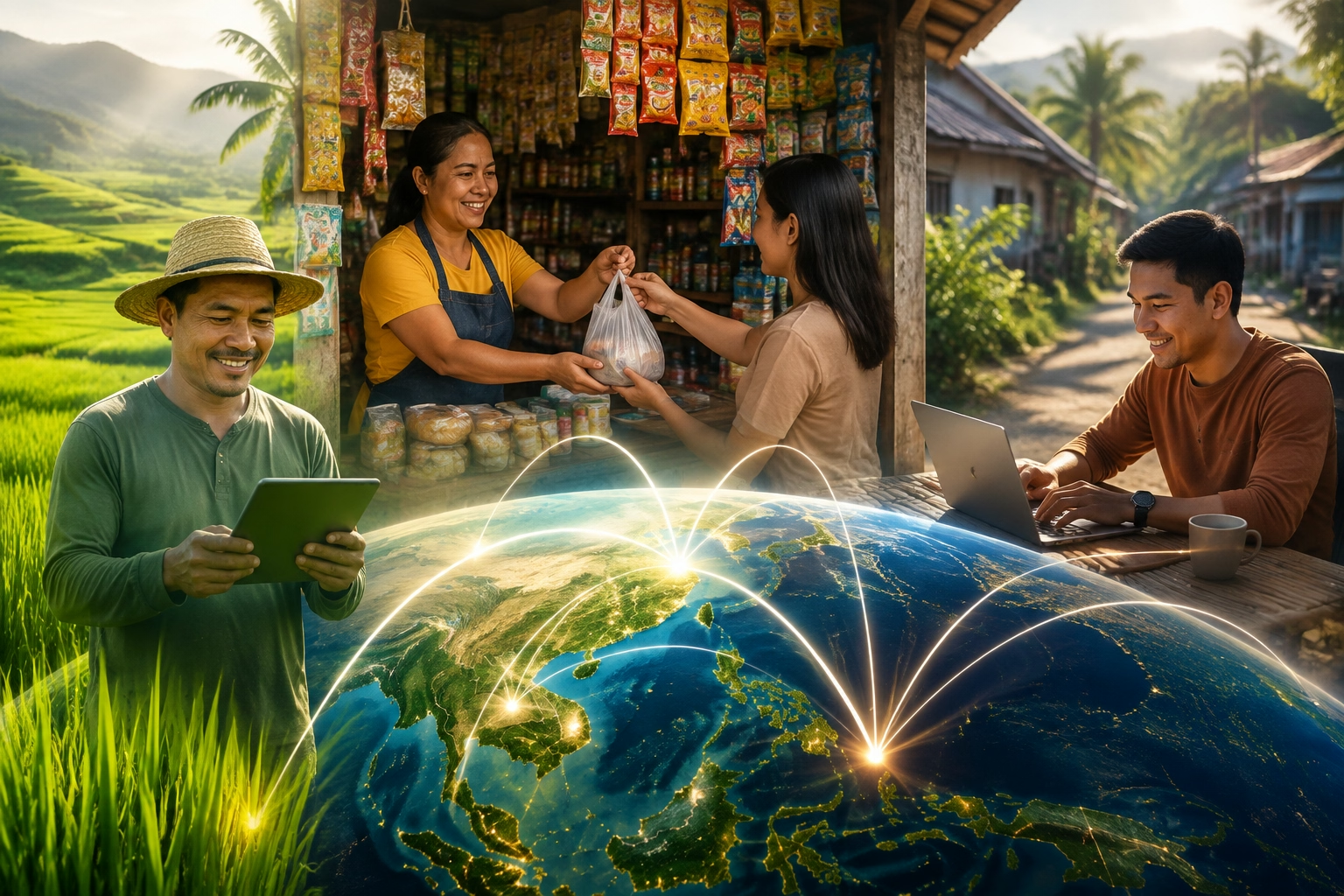
Fintech expansion is expected to remain a major force behind MSME development in the Philippines. As digital lending platforms become more advanced, more small businesses will have opportunities to access capital, improve financial management, and participate in national economic growth.
The combination of technology, regulatory support, and increasing digital adoption creates a more inclusive financial environment. While challenges such as digital literacy and cybersecurity remain, the continued development of fintech infrastructure offers a promising pathway for Philippine MSMEs seeking sustainable expansion.








Leave a Reply