


The digital economy is quickly becoming the cornerstone of the Philippine economy, and the banking sector plays a key role in driving this shift. With the increasing adoption of technology, financial institutions are transforming their services to cater to a more connected, tech-savvy population. This article explores the critical role that Filipino banks have in promoting the growth of the digital economy, focusing on the innovations and partnerships that are reshaping the financial services landscape.
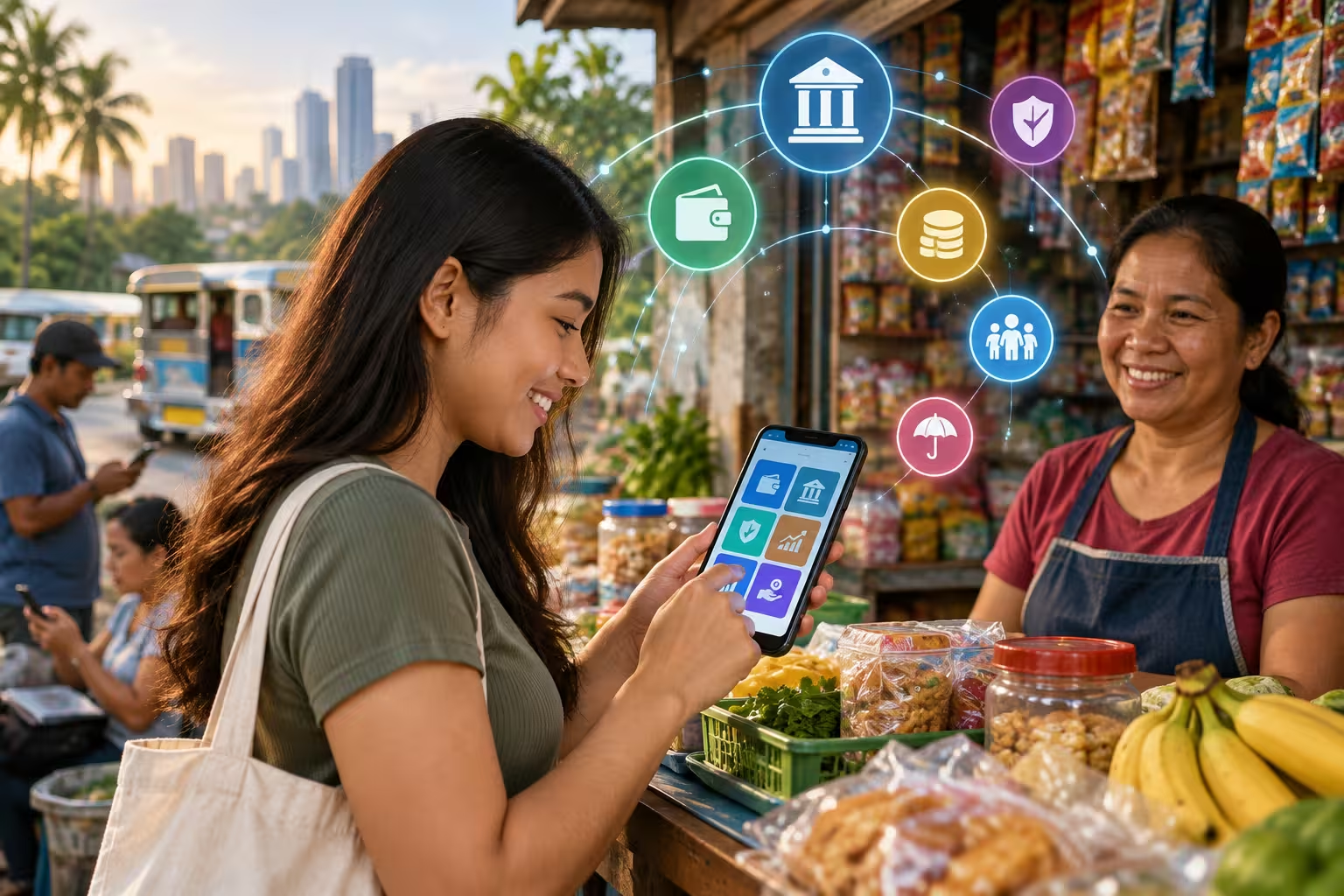
One of the most significant changes brought about by the banking sector is the widespread adoption of mobile banking and digital payment systems. As the demand for cashless transactions grows, the banks in the Philippines have risen to the challenge by introducing user-friendly digital platforms. These platforms allow individuals to conduct transactions, pay bills, and even invest online. According to the BSP, digital payment systems are expected to account for a significant portion of retail transactions in the country by 2023, reflecting a major shift towards a more efficient, paperless economy.
Banks have also been instrumental in expanding access to financial services for Filipinos living in rural areas. With the proliferation of smartphones and the internet, digital banking has made it possible for people to open bank accounts, make transactions, and access financial products without the need to visit physical branches. This development has been especially crucial in the country’s rural and remote regions, where traditional banking services have been limited. By utilizing mobile technology, Filipino banks are effectively bridging the gap between urban and rural populations, promoting financial inclusion, and facilitating broader participation in the digital economy.
Another way that Filipino banks are contributing to the digital economy is by fostering the growth of SMEs. Small and medium-sized enterprises are the backbone of the Philippine economy, and many of these businesses face challenges in accessing financing. Through digital banking services, banks can now offer online loan applications, enabling SMEs to secure financing more easily and efficiently. These digital platforms simplify the loan application process and provide faster access to funds, empowering small businesses to grow and contribute more significantly to the economy.
In addition to supporting businesses, the banking sector in the Philippines has embraced partnerships with fintech companies. These collaborations have led to the development of new and innovative financial products, such as digital lending, micro-insurance, and blockchain-based solutions. Through these partnerships, banks are expanding the scope of financial services available to consumers, helping to build a more inclusive and diversified digital economy.
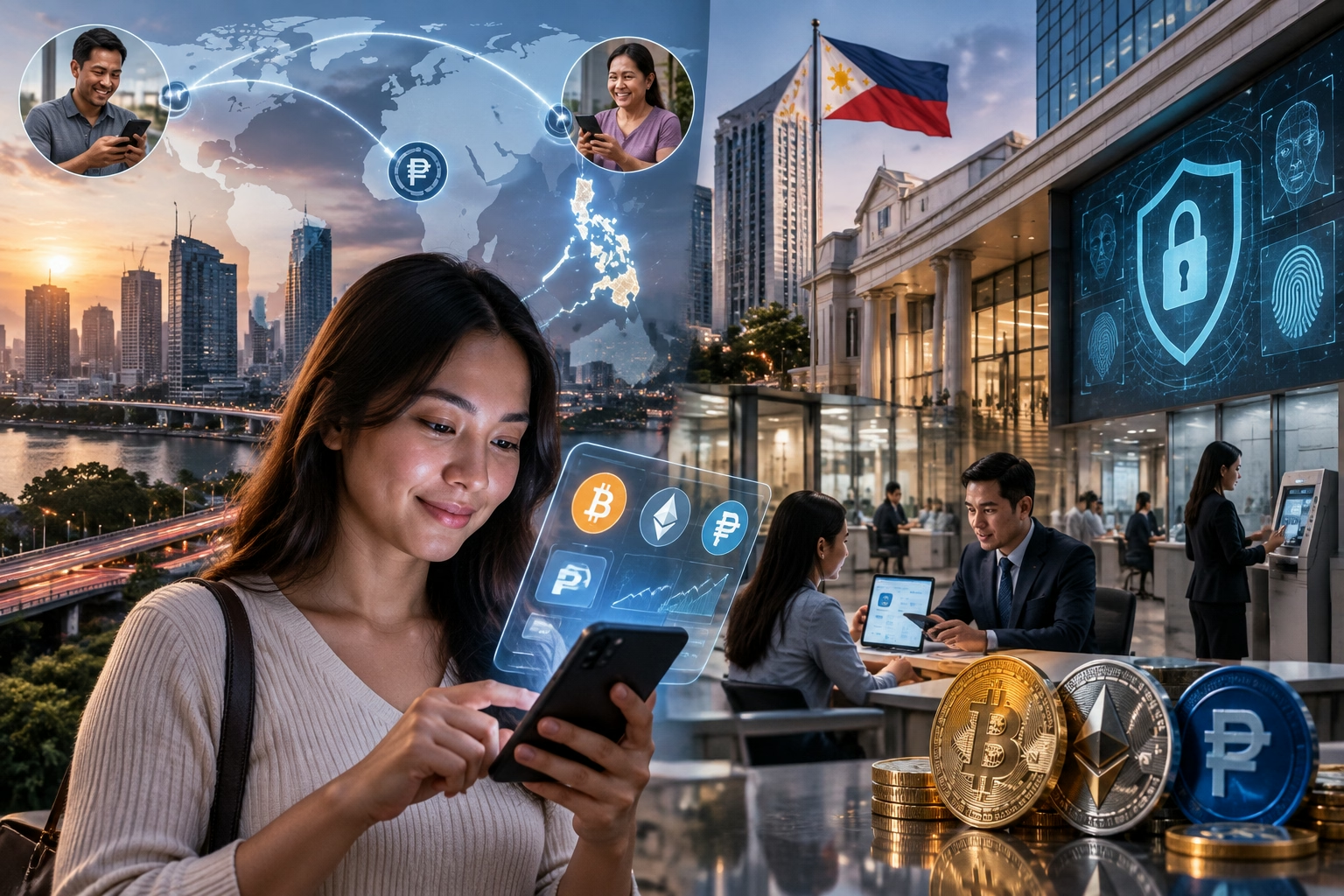
However, with the rapid digital transformation comes the challenge of ensuring that customers’ financial data remains secure. As the use of online banking and digital payments continues to rise, so does the risk of cyber threats. To address these concerns, Filipino banks have been investing heavily in cybersecurity infrastructure. By adopting state-of-the-art encryption methods, multi-factor authentication, and AI-powered security systems, banks are working to protect their customers and maintain trust in digital financial services.
In conclusion, Filipino banks have become integral to the expansion and success of the digital economy. Through innovative digital services, partnerships with fintech firms, and a focus on financial inclusion, banks are facilitating a transition towards a more efficient, accessible, and secure financial ecosystem. These efforts are crucial in supporting the broader economic growth of the Philippines.










Leave a Reply