Digital banking has emerged as a transformative force in the Philippines, offering a much-needed solution to the country’s long-standing issue of financial inclusion. With an estimated 70% of the adult population still unbanked, many Filipinos have historically struggled to access basic banking services. Digital banks are now challenging the status quo, presenting an opportunity to reshape the financial landscape and provide essential services to the unbanked population.
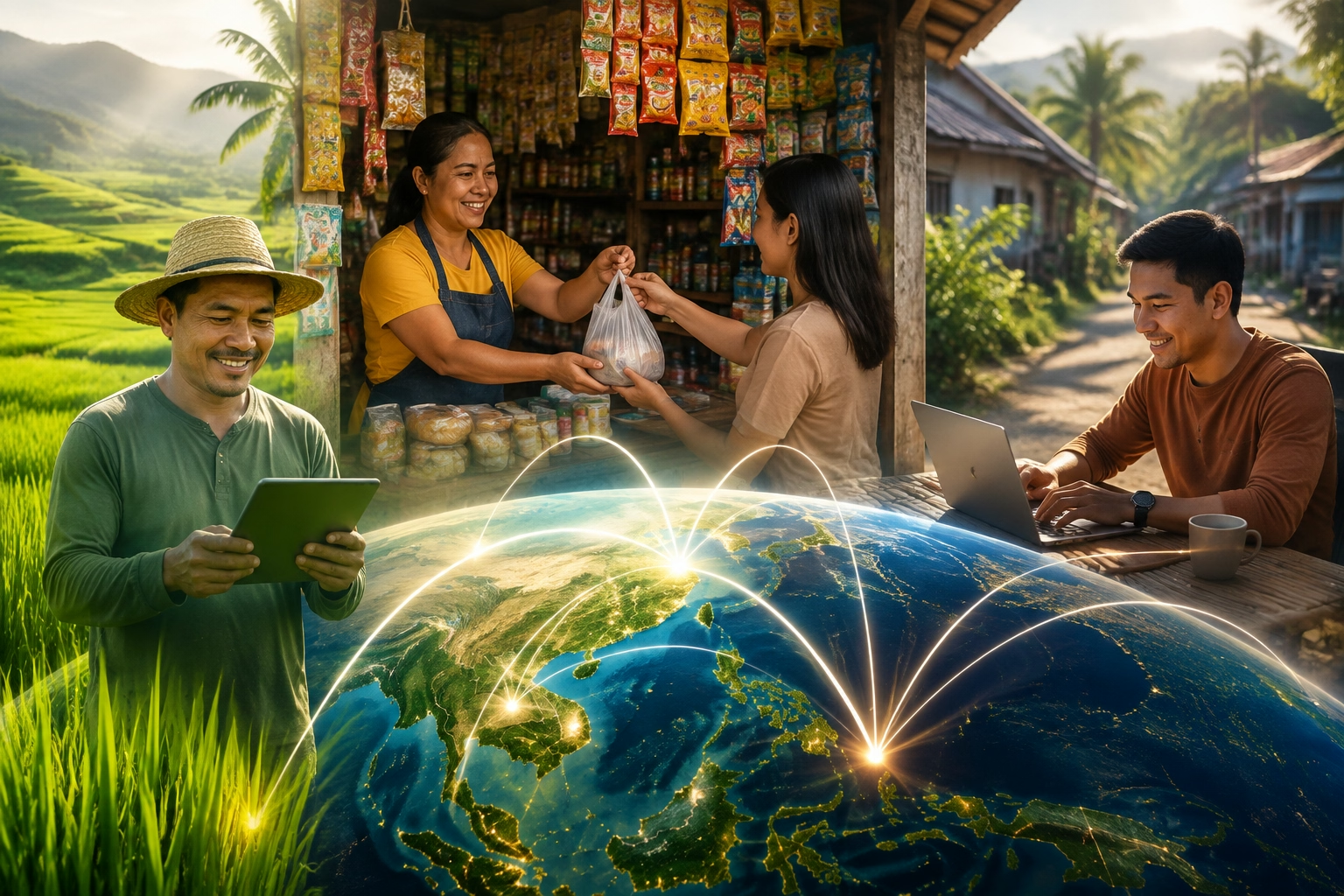
One of the most significant advantages of digital banking in the Philippines is its ability to overcome geographical barriers. In a country with over 7,000 islands, physical bank branches are often scarce, particularly in rural areas. Digital banks eliminate the need for customers to visit a branch, as all banking services are available via mobile apps or online platforms. This is particularly important for people in remote regions who previously had limited or no access to banking services.
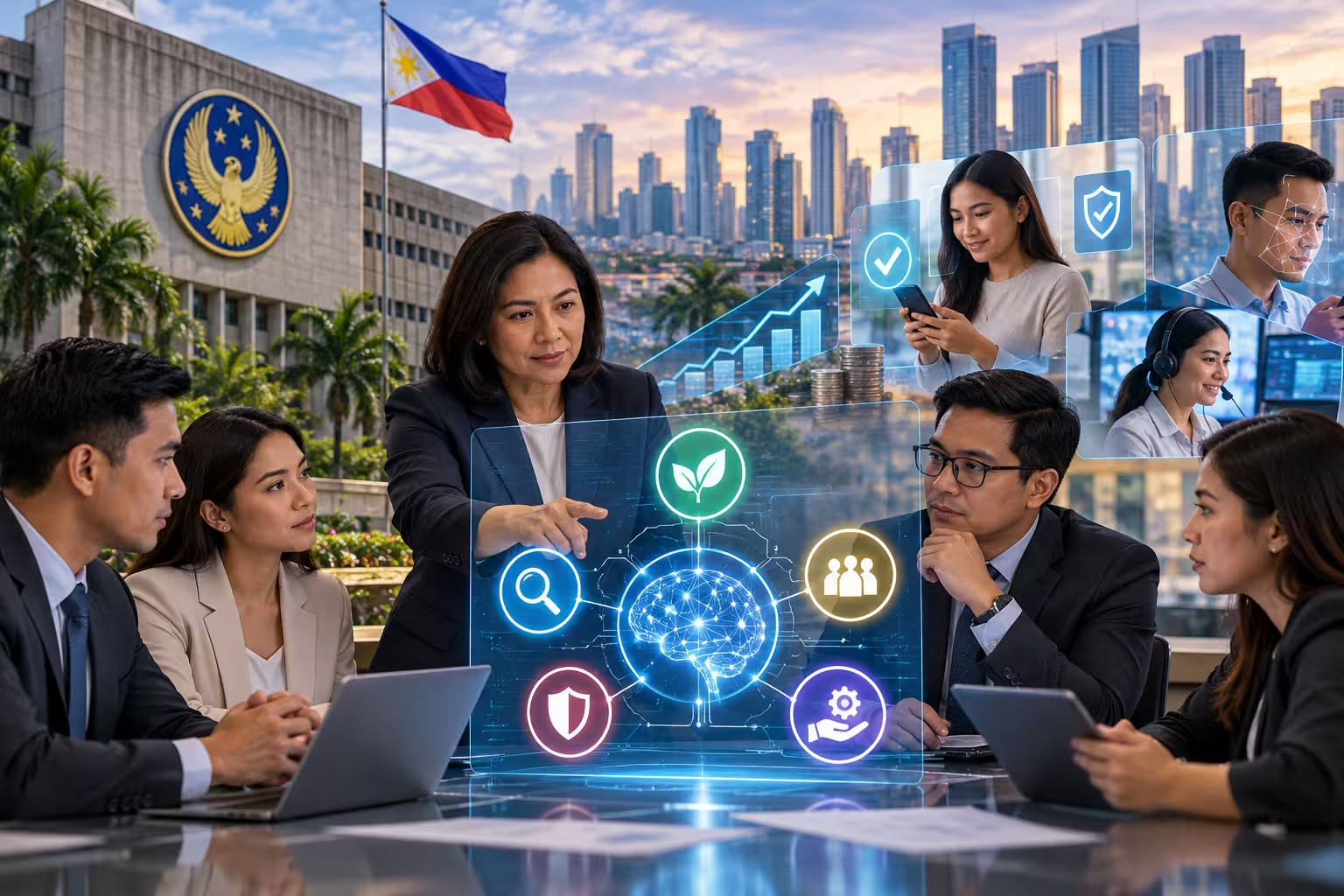
The Philippine government, through the Bangko Sentral ng Pilipinas, has been instrumental in fostering the growth of digital banking. By granting digital bank licenses to players like Tonik and ING, the central bank has paved the way for innovative solutions that cater to a wide range of customer needs, from savings and loans to payments and insurance. These digital-only banks offer an efficient, cost-effective alternative to traditional banking, allowing customers to access financial products without the need for a physical branch.
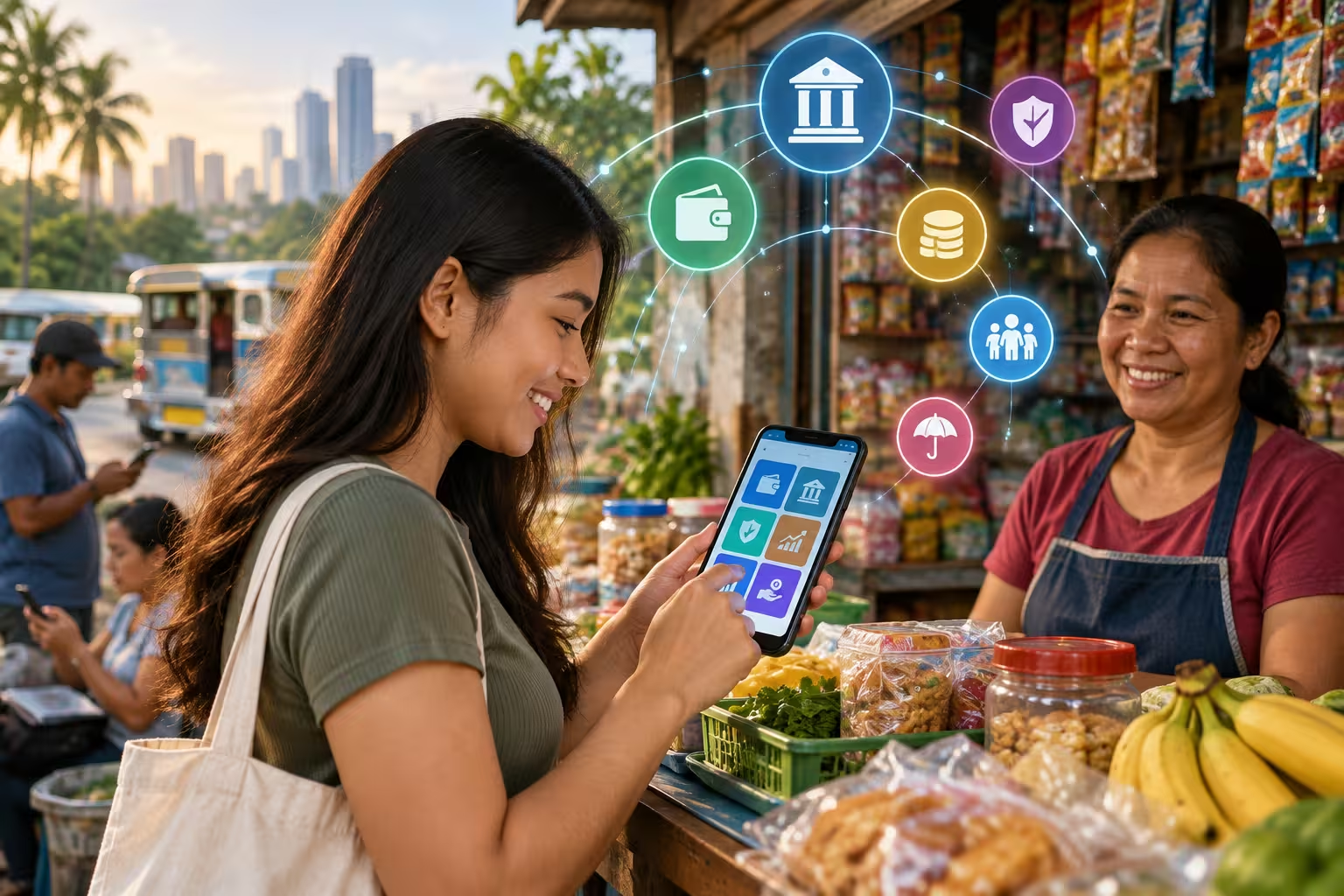
Moreover, digital banking has made it easier for Filipinos to manage their finances. Many digital banks offer simplified account opening procedures, requiring only basic identification and a smartphone to get started. This ease of access allows a larger segment of the population to open accounts and start saving, while also offering more personalized financial services based on the user’s behavior and preferences.
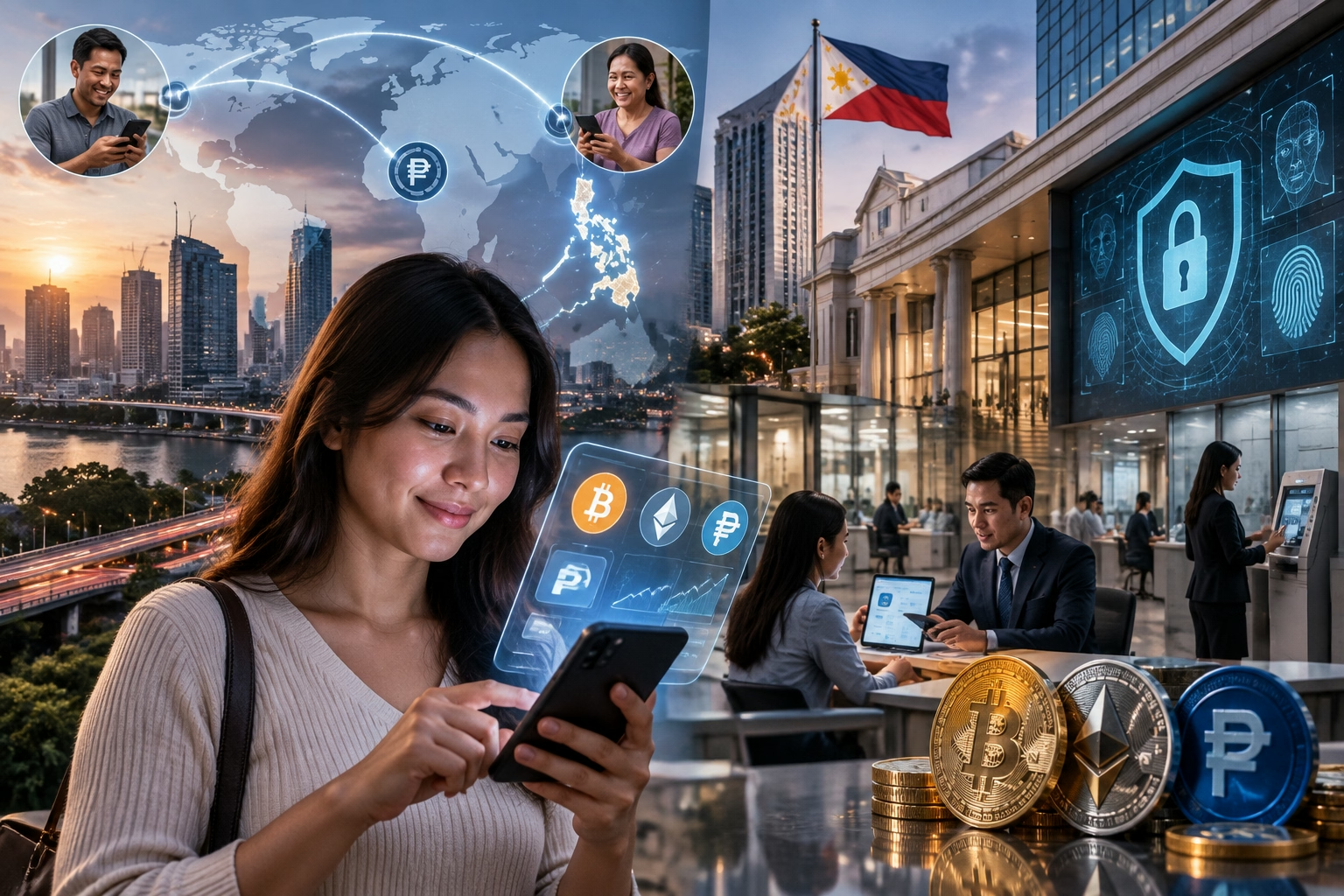
Another important aspect of digital banking is the role of financial technology (fintech) in enhancing customer experience. Fintech innovations, such as artificial intelligence, machine learning, and blockchain, are helping digital banks in the Philippines offer tailored products and services to customers. For example, AI-powered chatbots provide instant support, while machine learning algorithms analyze customer data to suggest relevant financial products.
As digital banking continues to gain momentum, it is also improving the country’s overall economic stability. With more people participating in the financial system, the circulation of money within the economy increases, leading to greater financial mobility. Additionally, as Filipinos gain more confidence in digital banking, their spending and saving habits become more secure and transparent, fostering a healthier economy.
The future of digital banking in the Philippines looks bright, with the potential to increase the country’s financial inclusion rate significantly. As new players enter the market and existing banks continue to expand their digital offerings, it’s clear that digital banking is not just a trend, but the future of the financial system in the Philippines.