


In the Philippines, micro, small, and medium enterprises are a major driver of economic activity. They account for a large share of businesses across the country and provide livelihoods for millions of Filipinos. From neighborhood retailers and food producers to service providers and family-owned trading firms, MSMEs bring energy to the market. However, many of these businesses face financial limitations that slow their growth. Philippine banks help address this gap by offering structured financial solutions designed to support smaller enterprises at different stages of development.
Financing is the most obvious form of support. Many MSMEs need external funds because their internal capital is not enough to cover expansion, emergency costs, or business upgrades. Banks typically offer several loan types for this purpose. Short-term credit can help business owners purchase raw materials, restock inventory, or manage temporary cash shortages. Medium- to long-term loans are more appropriate for buying equipment, opening a new location, or improving production capacity. Access to these funds allows businesses to grow without relying entirely on informal lenders or personal borrowing.
Banks in the Philippines also help MSMEs improve cash flow management. Cash flow problems are common even among profitable businesses, especially when customer payments are delayed. Through revolving credit lines, overdraft arrangements, or receivables-related financing, banks can provide a buffer that keeps operations running smoothly. This is important for enterprises that need to pay workers and suppliers on time while waiting for revenue to come in.
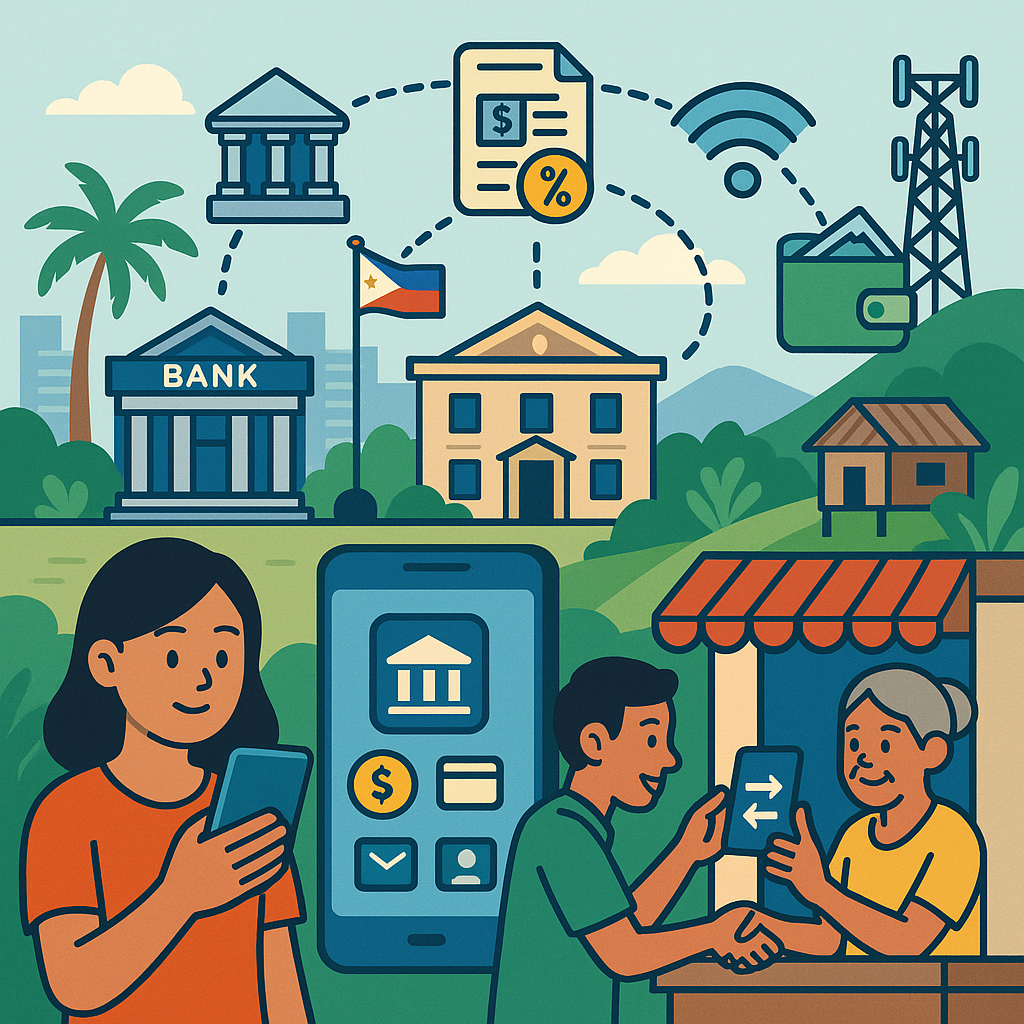
Another valuable service is payment and collection infrastructure. Modern banks offer online banking, merchant payment systems, fund transfers, and bill payment facilities that save time and improve efficiency. For MSMEs, these tools reduce dependence on manual transactions and help establish more organized financial practices. Digital collection channels are especially useful for businesses serving customers through online selling, delivery services, or mobile-based transactions.
For enterprises involved in trade, banks can play an even larger role. Importers and exporters often face complicated payment processes, documentation requirements, and transaction risks. Banks may provide trade finance solutions such as letters of credit, documentary collections, and guarantees. These services give MSMEs greater confidence when dealing with unfamiliar suppliers or buyers. They also strengthen a company’s credibility when negotiating with larger firms.
Some banks also support MSMEs through advisory services and relationship banking. A knowledgeable bank officer can help entrepreneurs understand which financial product best matches their needs. For example, a business owner planning to buy machinery may benefit more from an equipment loan than from using working capital. Guidance like this can prevent poor borrowing decisions and improve the chances of successful repayment.
That said, not every MSME can immediately access bank financing. Banks usually require business permits, registration documents, financial statements, proof of income, and sometimes collateral. This becomes difficult for enterprises that do not maintain formal accounting records. As a result, one of the smartest moves for MSME owners is to strengthen documentation early. Proper bookkeeping, tax compliance, and a clear separation between personal and business transactions can significantly improve bankability.
Choosing the right bank requires more than comparing interest rates. Entrepreneurs should also consider repayment flexibility, customer service, turnaround time, digital access, and the bank’s experience with MSME clients. A strong banking partner should not only provide money but also support more disciplined financial management. When banks and MSMEs work well together, the result is not just easier borrowing but a stronger, more resilient business capable of expanding in a changing economy.








Leave a Reply