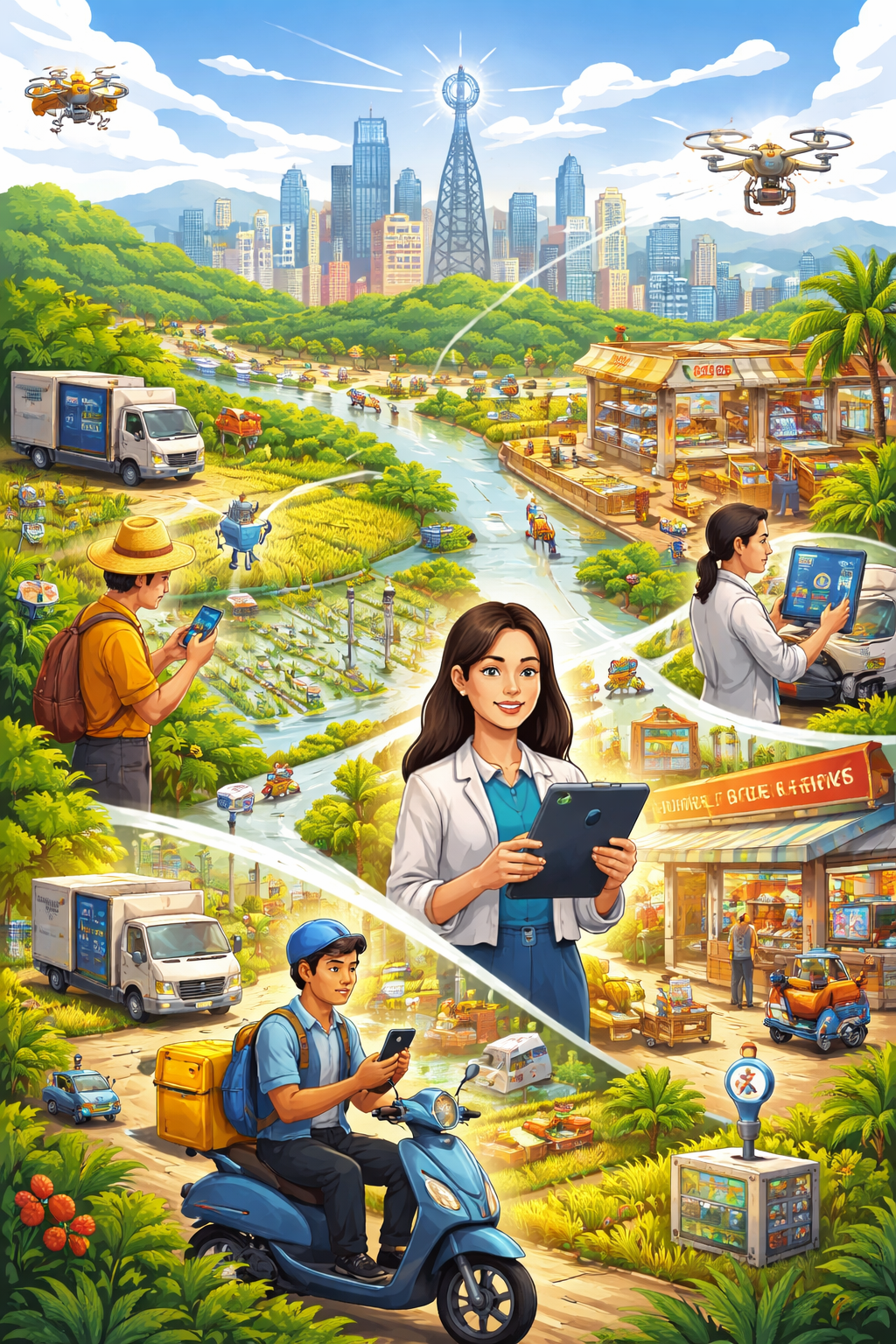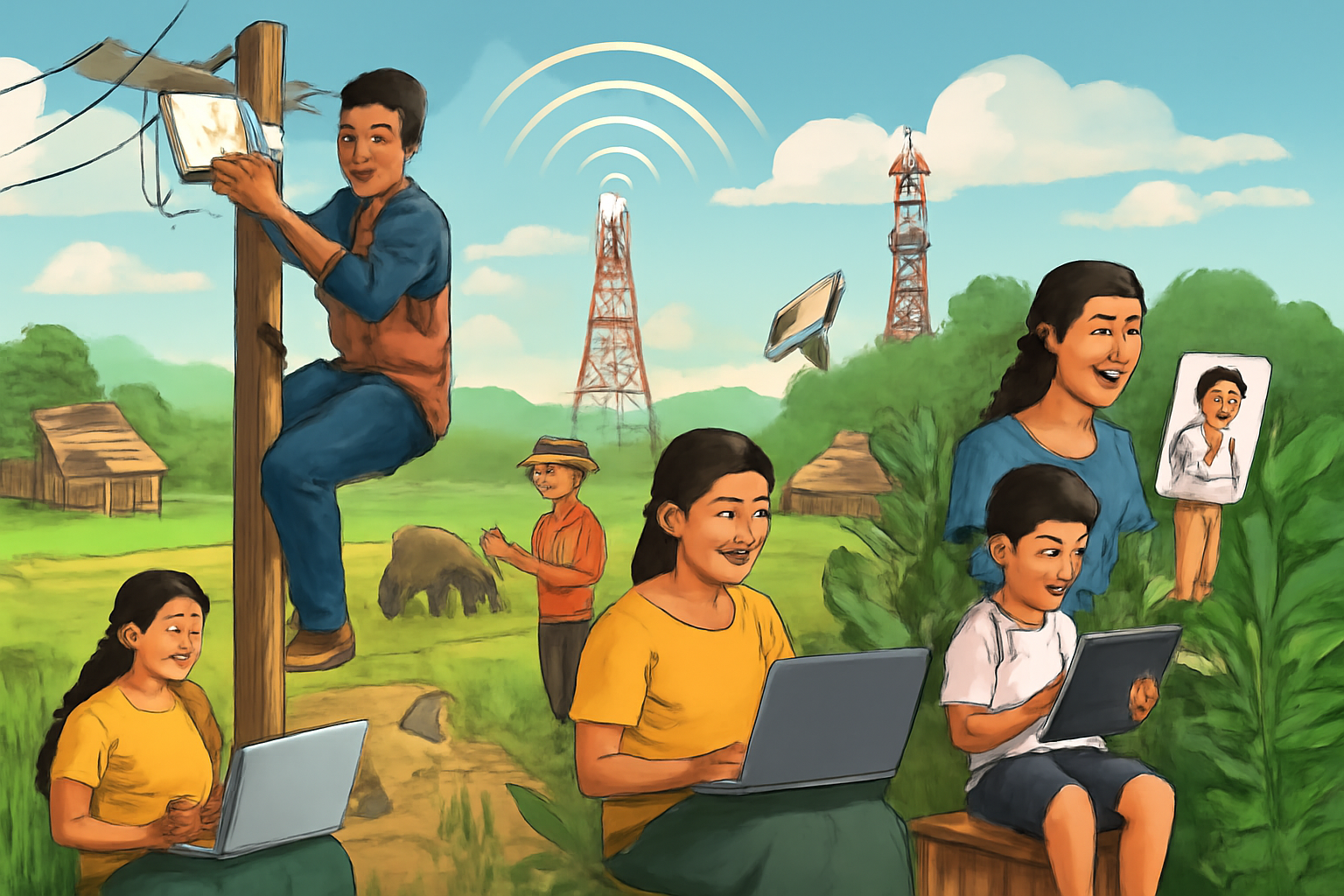
In the Philippines, technology startups are emerging as powerful agents of change, particularly in the country’s rural areas. The rural-urban digital divide remains a major challenge, with many communities in the provinces still lacking access to reliable internet, modern technologies, and digital services. As the government and private sector continue to work toward enhancing digital inclusion, tech startups are stepping up to bridge this gap by offering targeted solutions that cater to the unique needs of rural Filipinos.
Many technology startups in the Philippines are focusing on improving connectivity and providing affordable internet access to rural regions. Rural areas often face inadequate infrastructure, which limits the availability of fast and reliable internet. Several startups have stepped in with creative solutions, such as low-cost internet packages and community-based Wi-Fi networks, making it easier for rural residents to access online resources. These efforts are fundamental in enabling people in remote areas to connect with the rest of the world, access vital information, and engage in online economic activities.
E-commerce is another sector where technology startups have made a significant impact. By offering online platforms tailored to rural communities, these startups are enabling farmers, artisans, and small business owners to market their products to a broader audience. These e-commerce platforms not only provide a marketplace for goods but also offer logistics support, allowing rural producers to reach urban markets and beyond. In a country like the Philippines, where many people rely on small-scale agriculture and local crafts for their livelihood, these innovations provide crucial opportunities for economic growth.
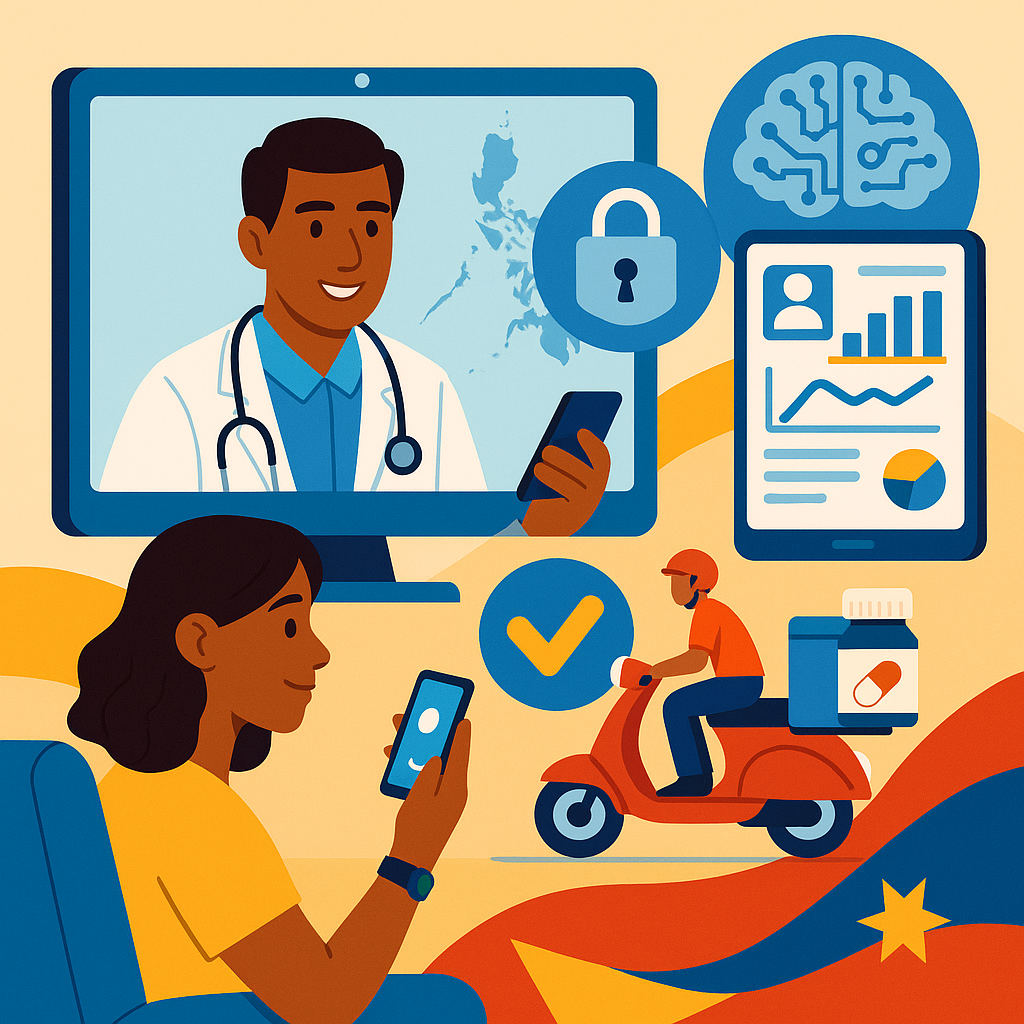
Additionally, digital health services are revolutionizing access to healthcare in rural areas. With many remote regions lacking healthcare facilities and trained medical professionals, telemedicine startups have stepped in to provide a solution. Through mobile apps and online platforms, these startups offer services ranging from virtual consultations with doctors to access to health-related information. This is significantly improving the health outcomes of rural communities, as people can now receive timely medical advice without having to travel long distances.
Education is another critical area where technology startups are helping rural communities. Many rural areas in the Philippines suffer from a shortage of quality educational institutions and teachers. Online learning platforms are providing students with access to world-class education, bridging the gap between urban and rural learning environments. These platforms offer not only formal education but also a wide range of skills training programs, empowering rural youth to acquire new skills and improve their employability.
Agricultural technology has also seen rapid growth, as startups focus on creating tools and platforms to help farmers increase productivity. For instance, some startups offer mobile applications that help farmers track weather patterns, monitor soil health, and optimize irrigation systems. These innovations allow farmers to make better decisions, improve yields, and reduce costs. Additionally, by connecting farmers with suppliers, distributors, and consumers, these platforms are facilitating a more efficient agricultural value chain.
In rural communities where access to technology has traditionally been limited, startups are playing a critical role in enhancing digital literacy. Through workshops and training sessions, they are helping people develop essential digital skills that enable them to take advantage of the new opportunities technology offers. This is empowering individuals to improve their livelihoods, foster creativity, and become active participants in the digital economy.
By addressing the specific challenges of rural areas, technology startups in the Philippines are providing hope for a more inclusive digital future. Through their innovative solutions, they are transforming lives and helping to create a more equitable society, where rural Filipinos are not left behind in the digital age.