


The Philippine banking sector is rapidly evolving, driven by the forces of digitalization and a growing need for greater global integration. Over the past decade, advancements in technology have pushed banks to innovate and adopt new digital solutions that offer efficiency, security, and enhanced customer experiences. These shifts are not only revolutionizing the way banks operate but also reshaping the entire financial ecosystem in the country.
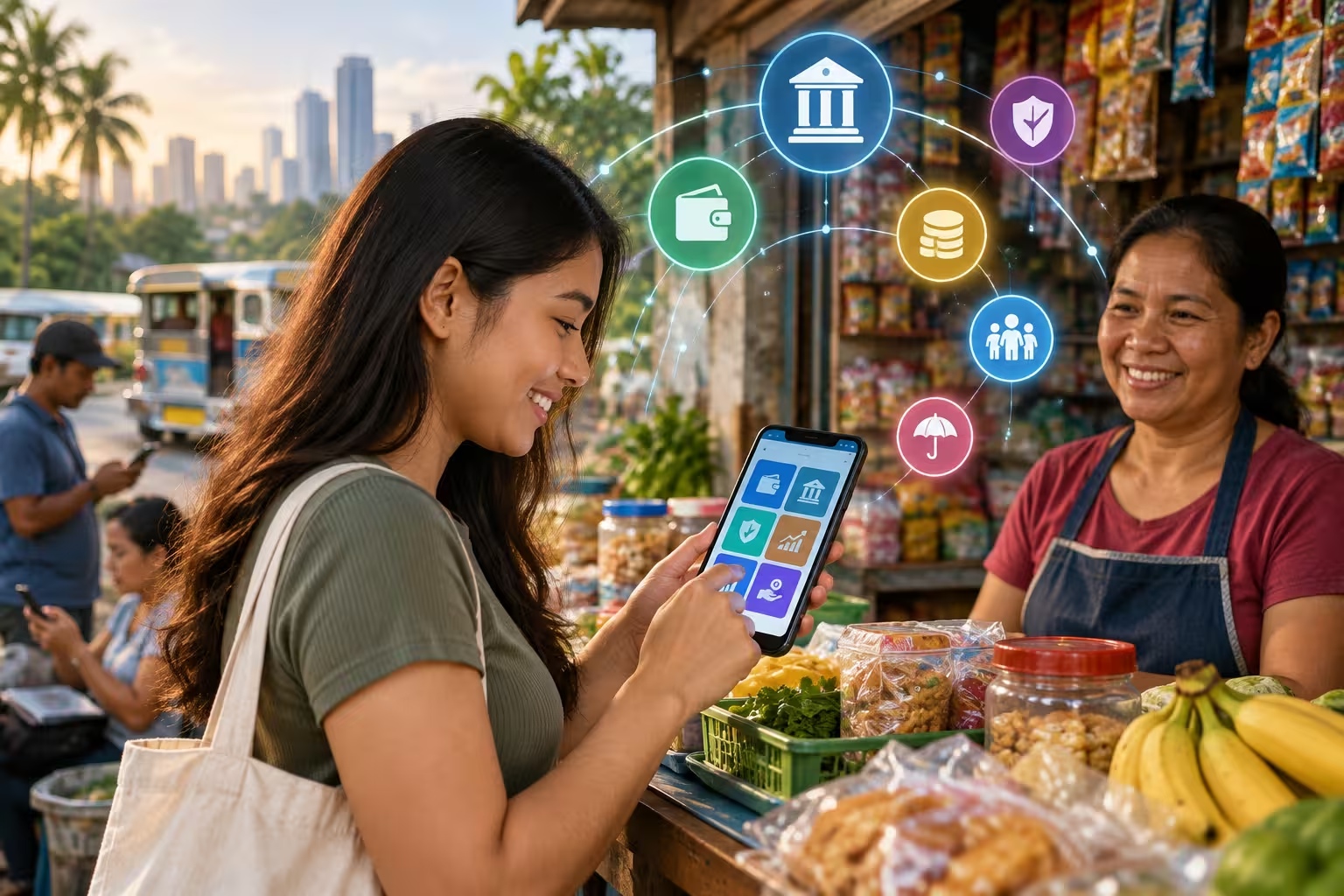
Digitalization is perhaps the most profound change seen in the Philippine banking landscape. Banks in the country have increasingly embraced online and mobile banking platforms, enabling customers to access a wide range of services such as fund transfers, bill payments, and loan applications from the convenience of their smartphones or computers. The convenience offered by digital channels has made banking more accessible, especially for individuals living in rural or remote areas who previously faced barriers to traditional banking.
Government initiatives such as the Digital Payments Transformation Roadmap have provided the necessary infrastructure to support this transition. Through efforts to standardize digital payments and ensure cybersecurity, the government is fostering an environment where digital banking can flourish. The BSP has also introduced regulatory frameworks to ensure that digital services remain safe, transparent, and fair for consumers.
On the international front, the Philippines is working to become more integrated with the global banking system. By aligning with global standards such as the Basel III framework, Filipino banks are positioning themselves to play a more significant role in international finance. This global integration allows them to access global financial markets, enhance cross-border transactions, and establish strategic partnerships with foreign banks, strengthening their global footprint.
The rise of FinTech is another trend that is reshaping the Philippine banking industry. FinTech companies are leading the way in offering innovative services such as peer-to-peer lending, robo-advisory, and blockchain-based solutions. These tech-driven financial services are attractive to tech-savvy consumers and businesses looking for faster, more efficient banking options. As these companies continue to disrupt traditional banking models, established banks are increasingly partnering with or acquiring FinTech firms to stay competitive.
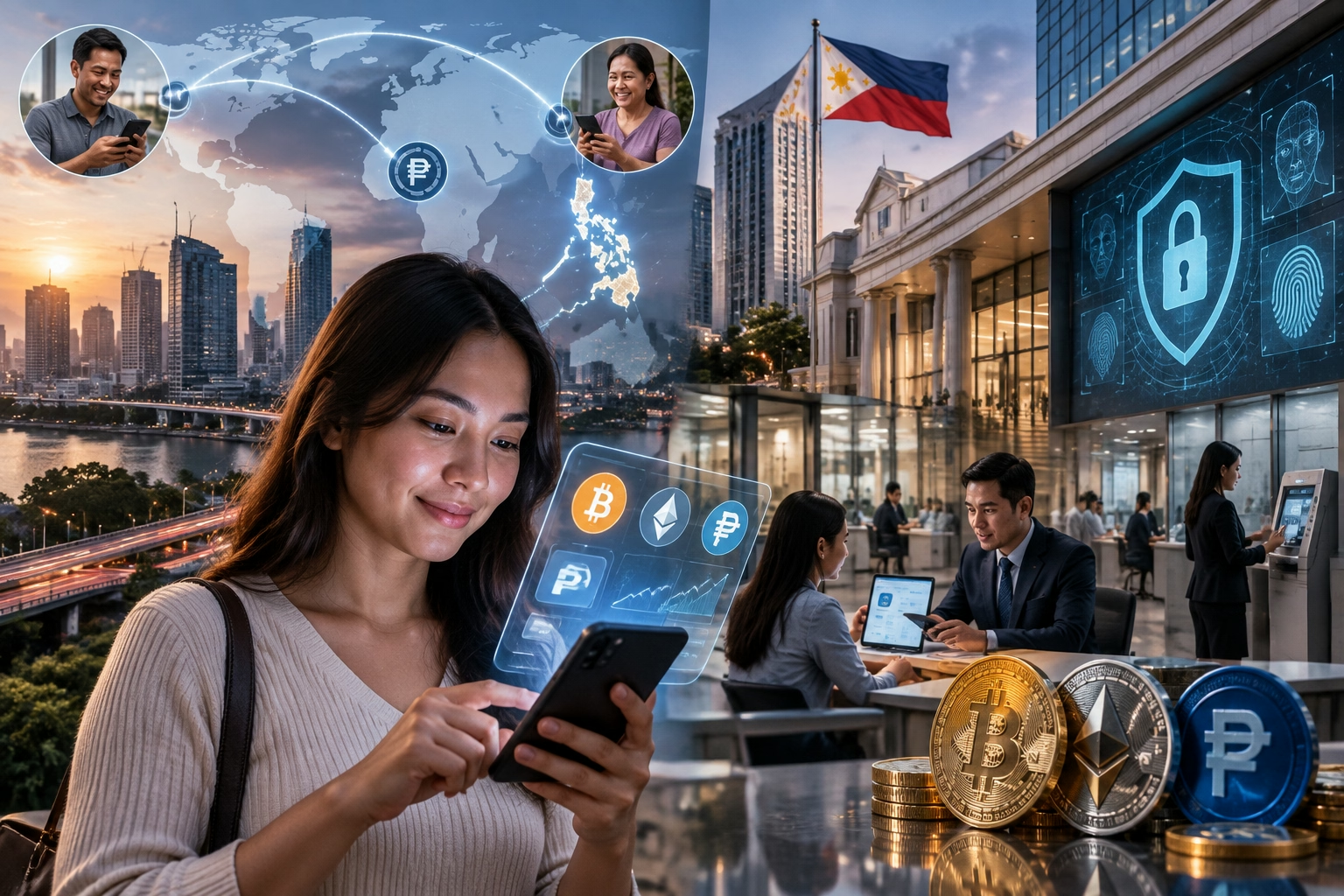
Blockchain technology, in particular, has garnered significant attention from Philippine banks. Its ability to provide secure, decentralized financial transactions is seen as a game-changer for reducing fraud and enhancing transparency in banking operations. Several banks in the Philippines are experimenting with blockchain to streamline their processes and improve remittance services, which are vital to the economy due to the large number of overseas Filipino workers (OFWs).
Despite the immense opportunities, the digitalization and global integration of the Philippine banking sector also present certain challenges. One key issue is cybersecurity, as the rise in digital transactions makes banks vulnerable to hacking, data breaches, and other cyber risks. As a result, banks must invest heavily in security measures and robust systems to protect their customers’ financial data.
Another challenge lies in the education and training of the population to use digital financial services effectively. While digital banking has flourished in urban areas, many rural Filipinos are still unfamiliar with online banking tools and may lack access to the necessary technology. Bridging this digital divide is essential for ensuring that the benefits of digitalization reach all corners of the country.
Looking forward, the Philippine banking sector has a promising future. By leveraging technology and fostering global integration, banks are positioned to provide more efficient, secure, and inclusive financial services to Filipinos, both at home and abroad.








Leave a Reply