

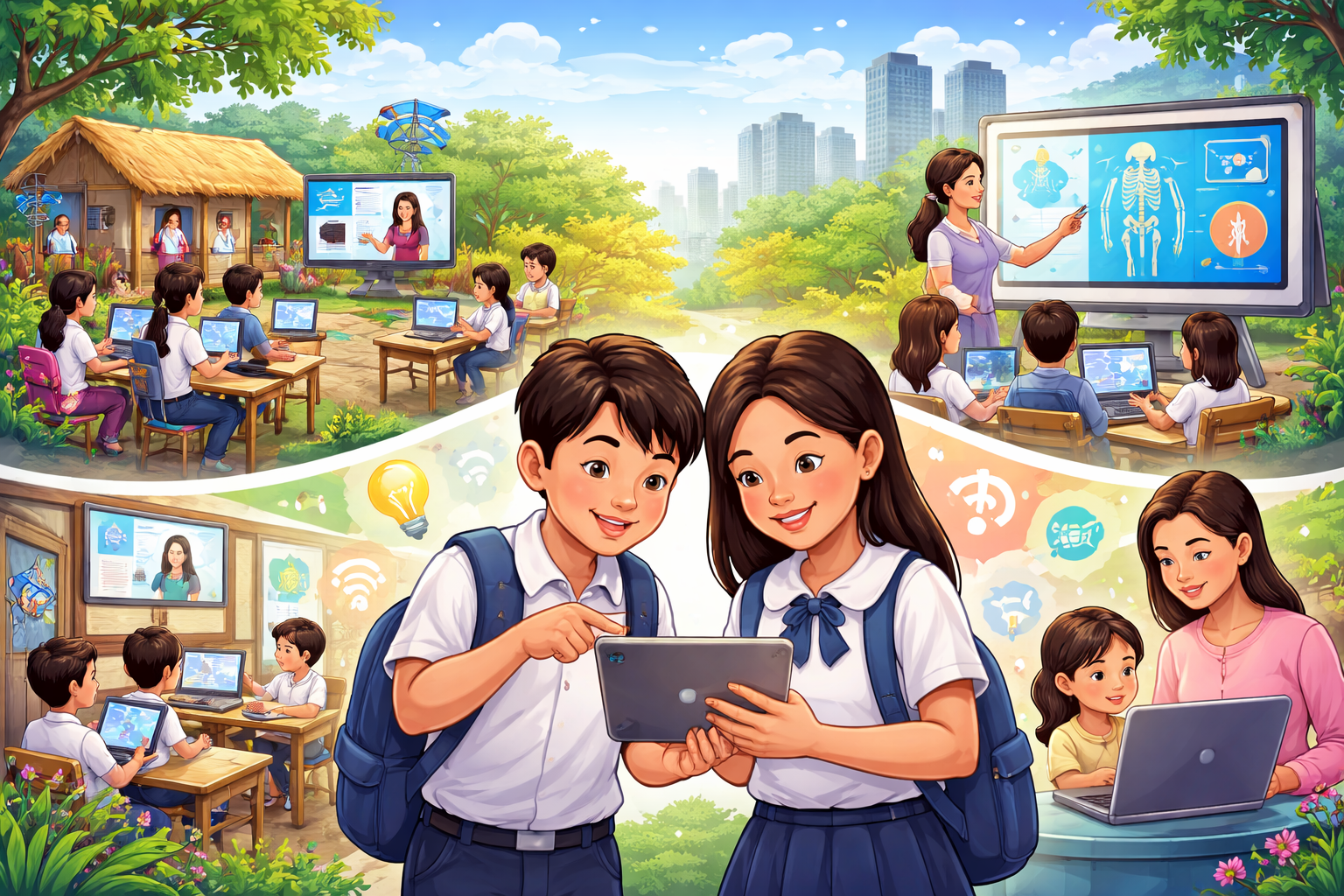
Technology’s role in transforming education in the Philippines has been increasingly recognized, especially as the nation seeks to modernize its education system. Through the adoption of digital tools and platforms, the sector has witnessed remarkable improvements in both the quality and accessibility of learning.
A major development in the Filipino education system has been the introduction of e-learning platforms. Schools in both urban and rural areas have started to integrate platforms like Google Classroom, Zoom, and Microsoft Teams, allowing teachers and students to collaborate in real-time, despite geographical limitations. These platforms provide a wide range of learning materials and communication channels, making education more dynamic and interactive.
In rural and remote areas, technology is addressing a significant problem: the lack of qualified teachers and educational resources. The ability to access online tutorials, virtual classes, and digital content provides students in distant regions with the opportunity to learn from expert educators who may not be available locally. Additionally, students can revisit lessons as needed, which promotes a more self-paced learning experience and caters to various learning speeds.
Technology has also contributed to enhancing the curriculum in the Philippines by enabling the use of digital tools such as educational software, apps, and multimedia resources. These tools help teachers create engaging lessons that stimulate student interest. For example, subjects such as mathematics, physics, and literature are now taught using interactive apps that allow students to visualize concepts and solve problems through hands-on activities.
Mobile learning has become another critical area in the Philippine education sector. With the growing number of smartphone users, mobile apps designed for learning purposes are gaining traction. These apps, including those for coding, math, language learning, and critical thinking, empower students to study on the go, making education more accessible to those with limited time or resources.
Teacher development is also one of the areas benefiting from technological innovations. Through online professional development programs, teachers can access courses and training designed to enhance their pedagogical skills. This helps them stay updated with the latest trends in education technology and provides them with the tools to integrate new methods into their teaching.
While the potential of technology in the Philippine education system is enormous, challenges remain. One of the main obstacles is the country’s insufficient internet infrastructure, particularly in rural regions. Many areas still lack reliable internet access, which hampers the effectiveness of online learning initiatives. Additionally, the cost of devices and internet services can be a barrier for many families, especially in lower-income communities.
Despite these challenges, the government’s efforts to improve internet connectivity, along with initiatives to distribute digital devices to students, show promise in reducing the digital divide. Programs like the Department of Education’s “DepEd Commons,” an online platform offering free resources to both teachers and students, are positive steps toward leveraging technology for greater educational inclusion.
In sum, the role of technology in education in the Philippines is undeniable. As the country continues to develop its digital infrastructure, it is expected that technology will play an even more crucial role in shaping the future of education, making learning more equitable, accessible, and engaging for all students.







Leave a Reply