As 5G networks gradually blanket more parts of the Philippines, the startup ecosystem is entering a new phase. The leap from 4G to 5G is not just about browsing faster on a smartphone; it changes what kind of businesses are technically feasible and commercially attractive. For founders, this means fresh opportunities to rethink traditional industries and design entirely new digital experiences.
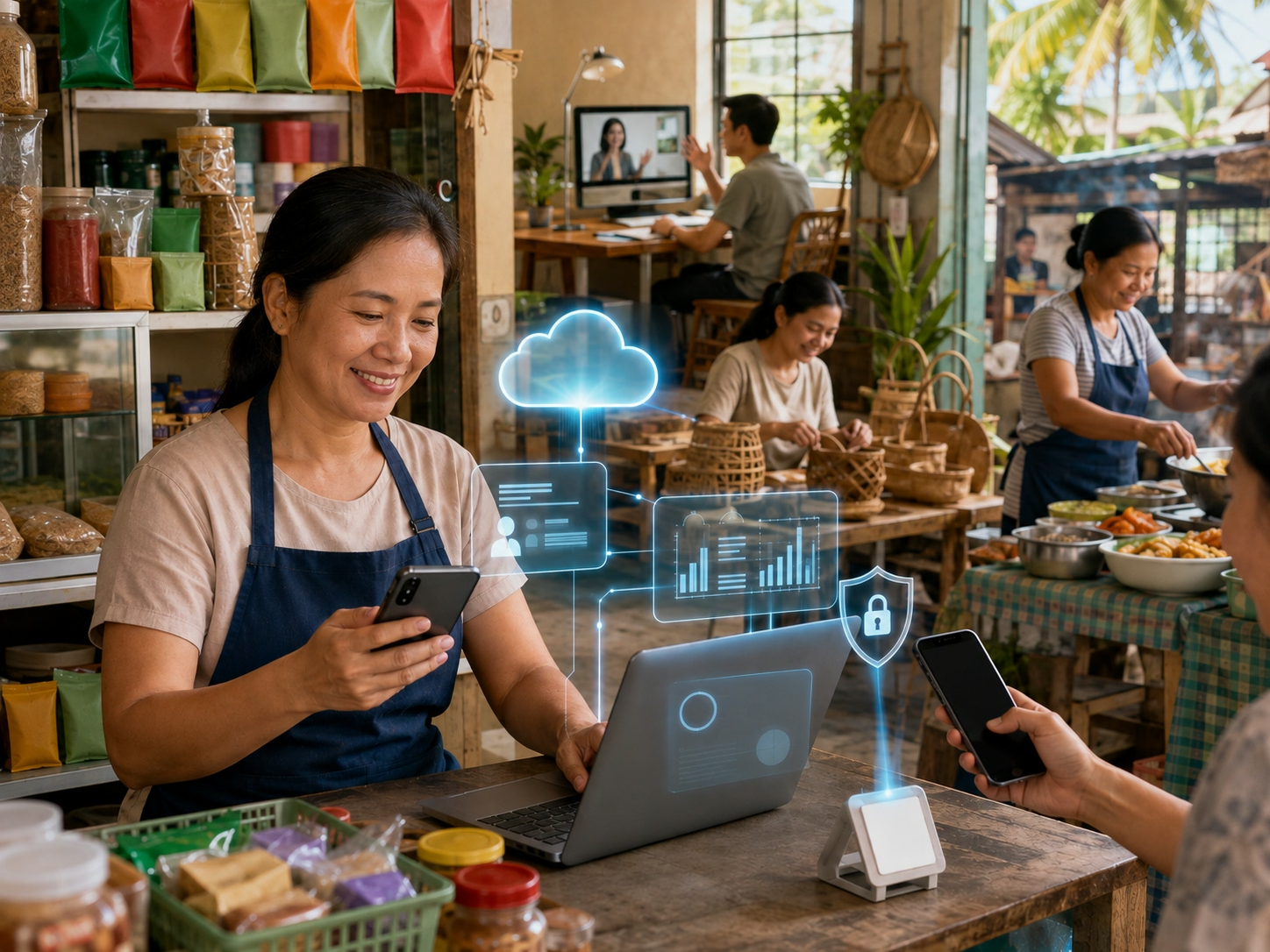
At the core of 5G’s value is its trio of strengths: higher speeds, lower latency, and greater capacity. These three traits make it possible to transmit large amounts of data quickly and with minimal delay. For financial technology startups, this enables smoother real-time transactions and more secure identity verification using biometrics or AI-driven fraud detection. Services aimed at unbanked or underbanked Filipinos can become more reliable, which is critical for earning user trust.
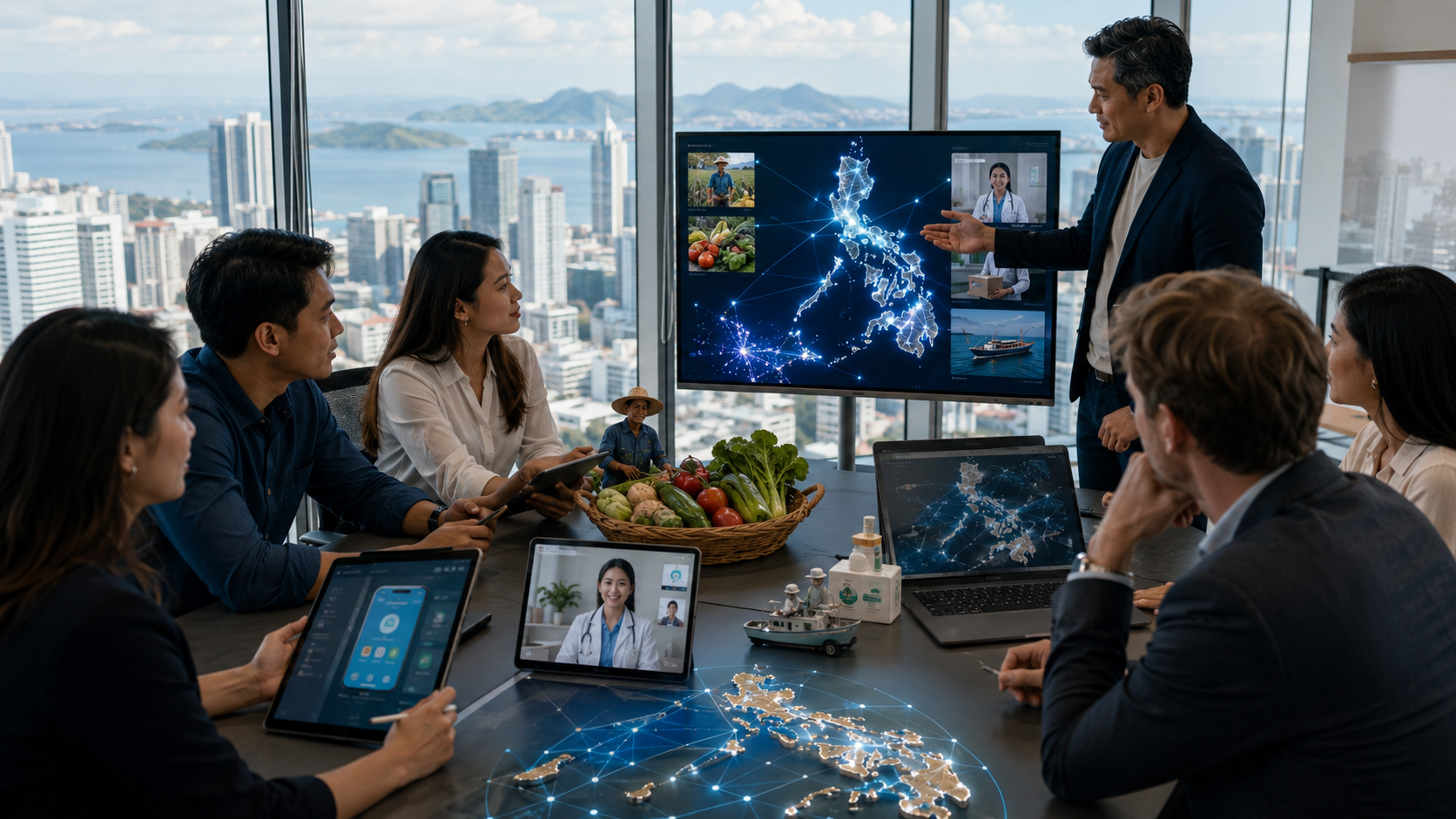
In the healthcare sector, Filipino startups can use 5G to power advanced telehealth platforms. Doctors in Metro Manila can consult with patients in remote islands through high-definition video, share medical images instantly, and collaborate with specialists abroad. Healthtech companies can build remote monitoring systems that track chronic conditions using wearables and sensors, sending real-time alerts to healthcare providers. These innovations are crucial in a country where access to medical facilities is unevenly distributed.
Education ventures also benefit. Many Filipino students access classes primarily through mobile devices. 5G allows edtech startups to offer richer, more interactive content—such as live group sessions, AI-based tutoring, and even VR field trips—without the frustrating lag that often discourages learners. Because 5G can handle more simultaneous connections, large classes and nationwide training programs become more feasible for small teams.
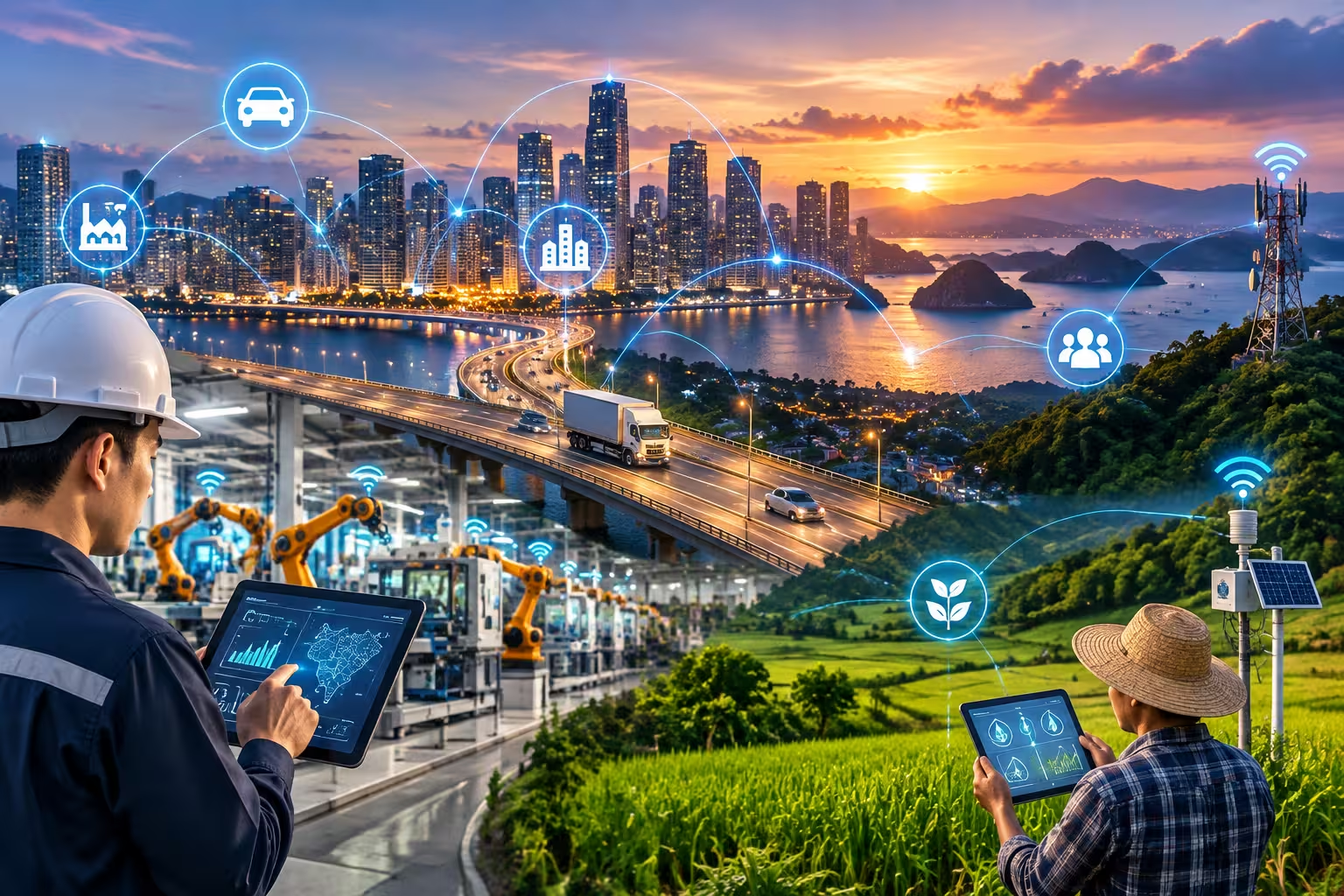
The rise of 5G also accelerates the development of IoT-based solutions. Startups focusing on smart agriculture can deploy networks of sensors in rice fields or fish farms, collecting real-time data on water quality, temperature, and nutrient levels. These insights help farmers optimize inputs and reduce waste. Meanwhile, logistics startups can track vehicles and shipments with higher precision, feeding that data into algorithms that optimize delivery routes and fuel consumption.
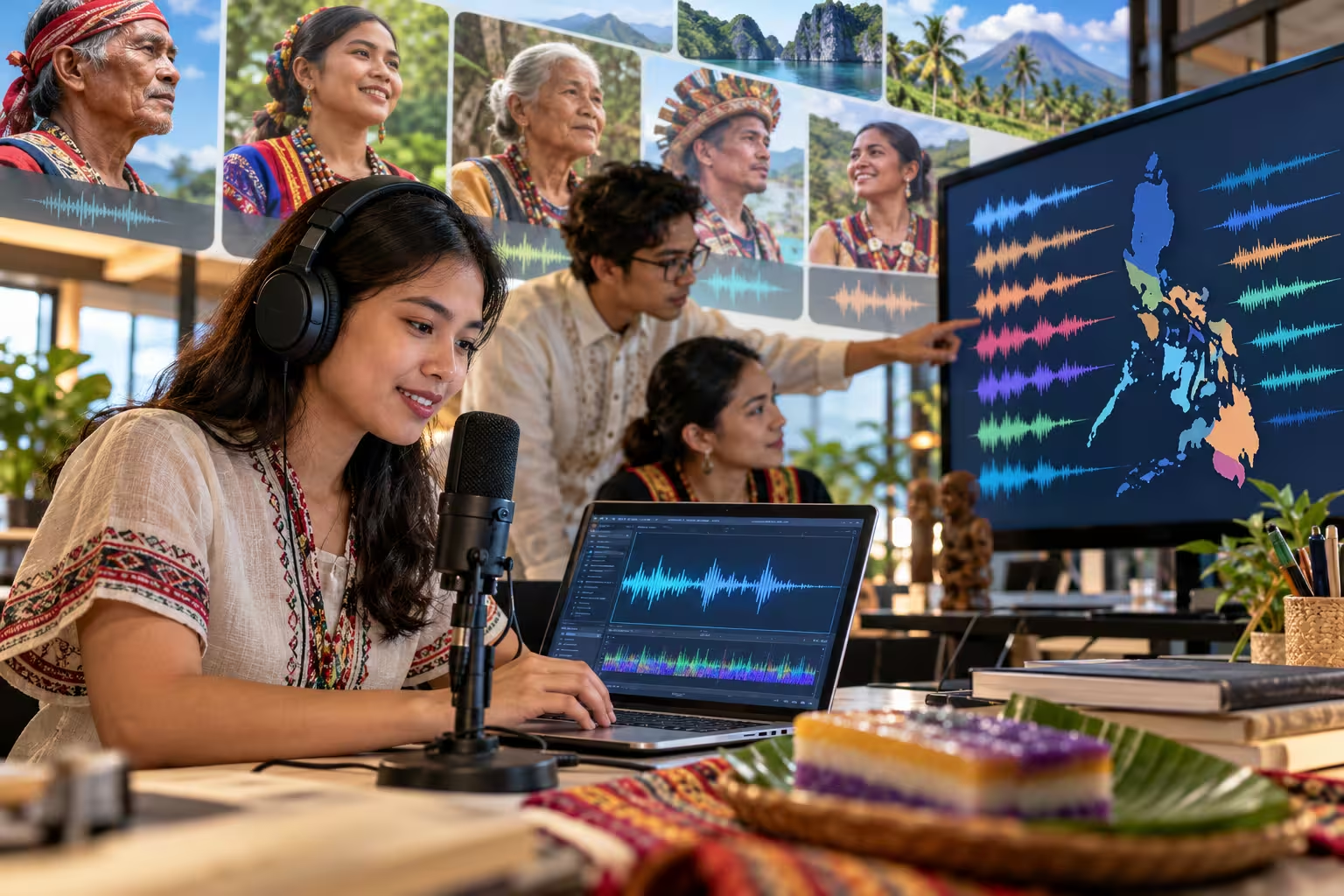
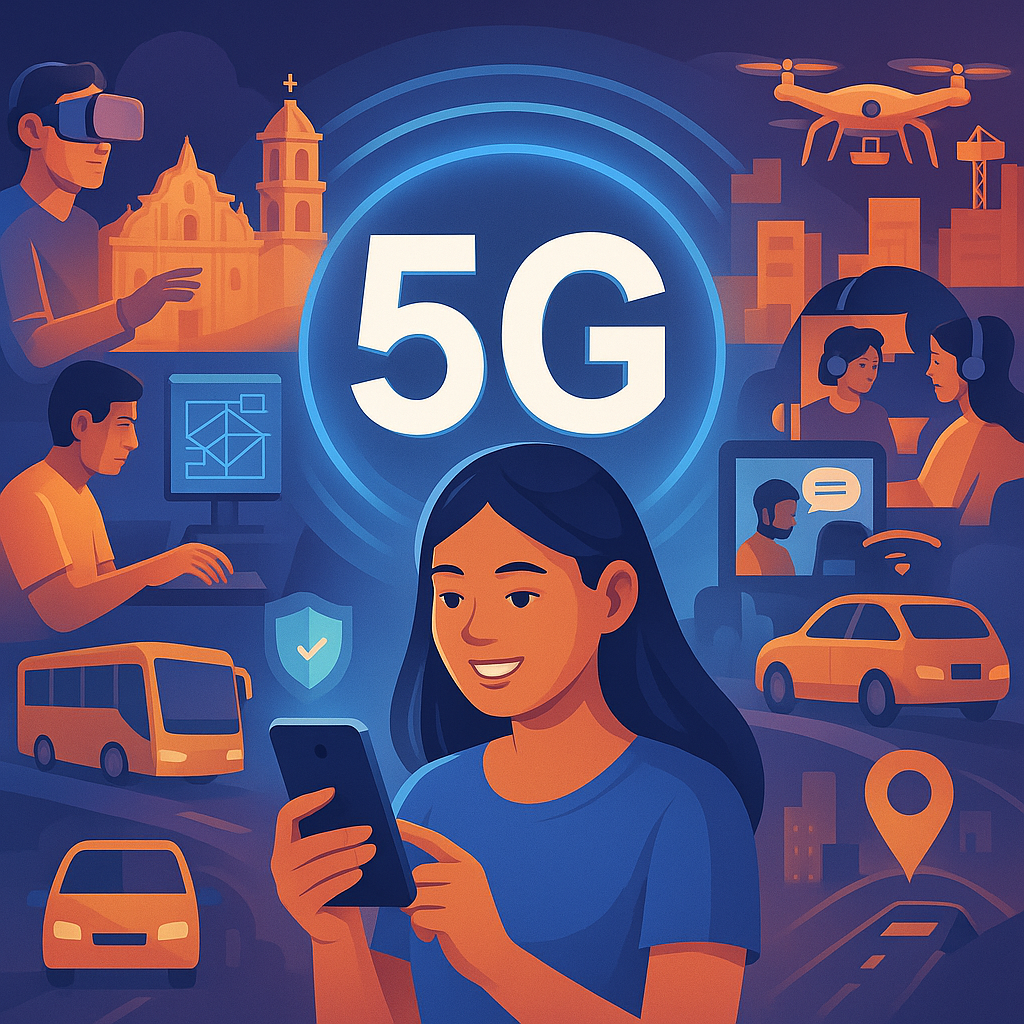
In the realm of entertainment and tourism, Filipino founders can experiment with AR-enhanced tours, virtual heritage experiences, and location-based games. 5G’s low latency supports more responsive AR/VR applications, making experiences feel more natural and immersive. This can create new revenue streams for local artists, museums, and tour operators, turning cultural assets into interactive digital products.
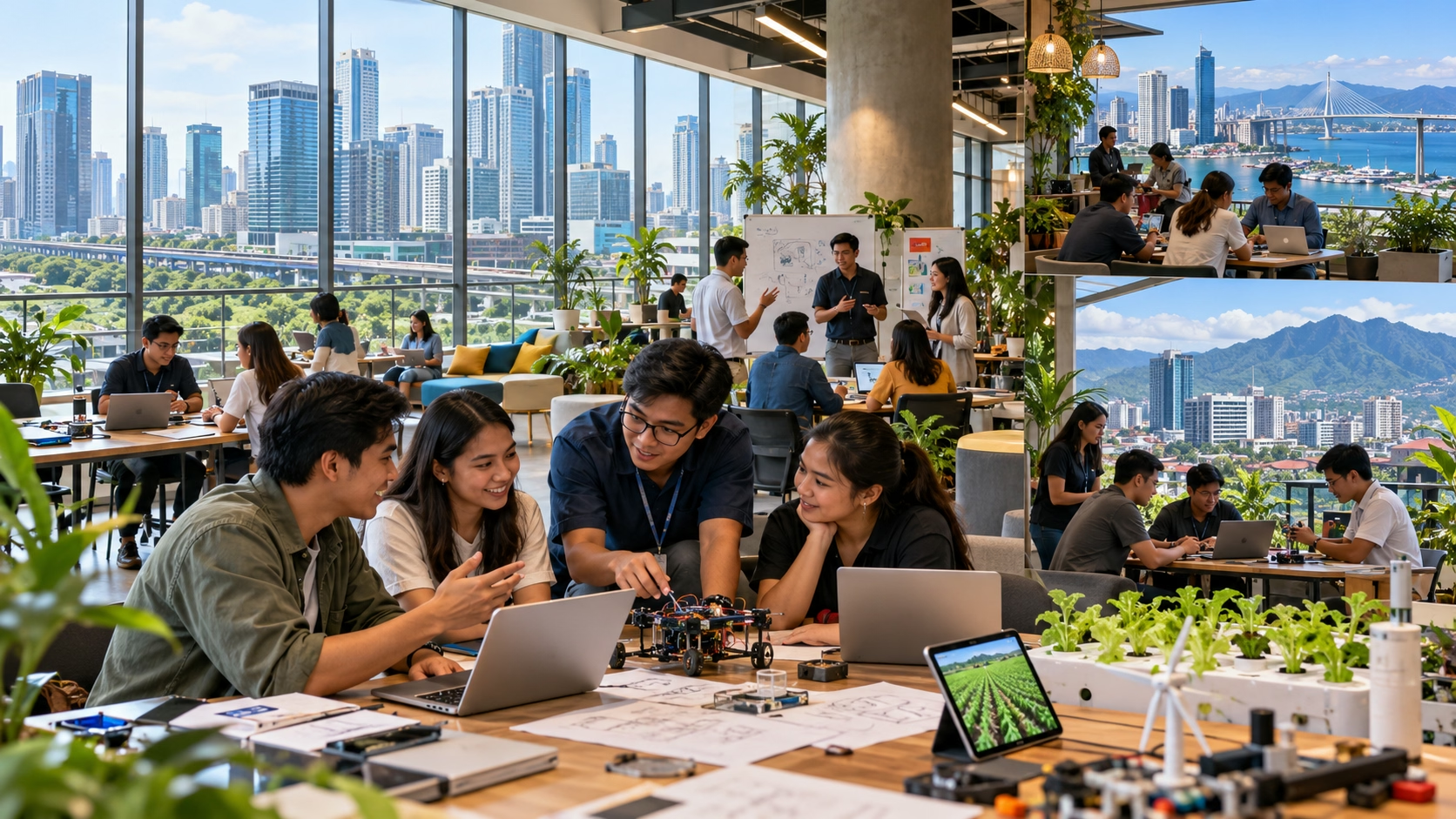
Still, the benefits of 5G will not be automatic. There are questions around device affordability, uneven coverage, and regulatory hurdles. Startups must carefully design products that work well in areas with mixed network quality and consider business models that accommodate users who gradually upgrade to 5G-ready devices. Collaboration with telcos, government agencies, and universities will be important to test pilots and access shared infrastructure.
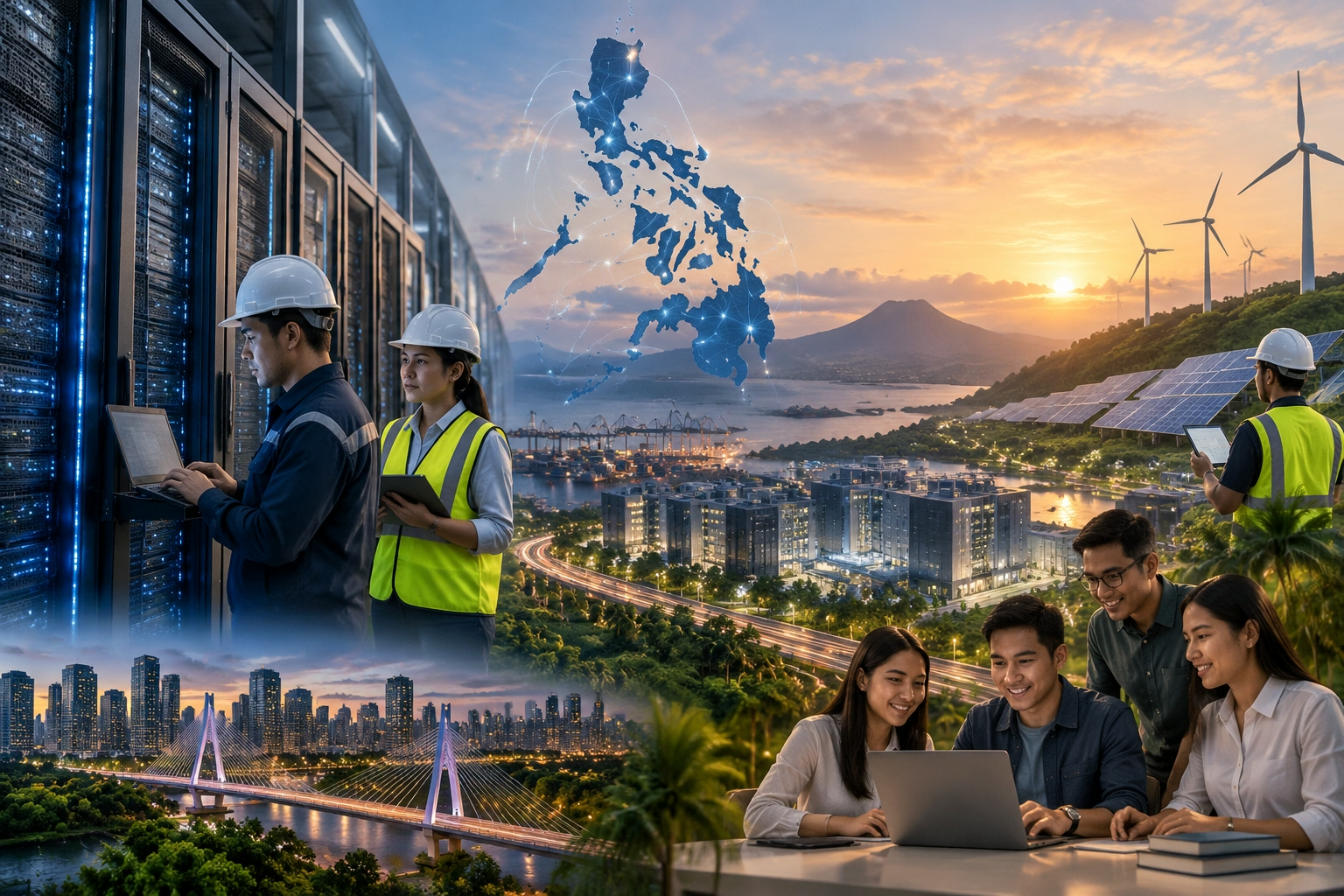
Despite these limitations, the overall trajectory is clear. As 5G rolls out further, it will reward founders who design services that rely on responsiveness, real-time data, and dense connectivity. For the Philippine startup community, this moment is an opportunity to leapfrog older technologies and create solutions that are both locally relevant and globally competitive.