The Philippines has steadily transformed from a largely agriculture-based economy into a more diversified one, with manufacturing emerging as a vital pillar. Within this sector, a handful of large firms set the pace in terms of scale, innovation, and export earnings. By looking at the companies leading electronics, food and beverage, and automotive manufacturing, it becomes clear how the country connects to both domestic consumers and international markets.
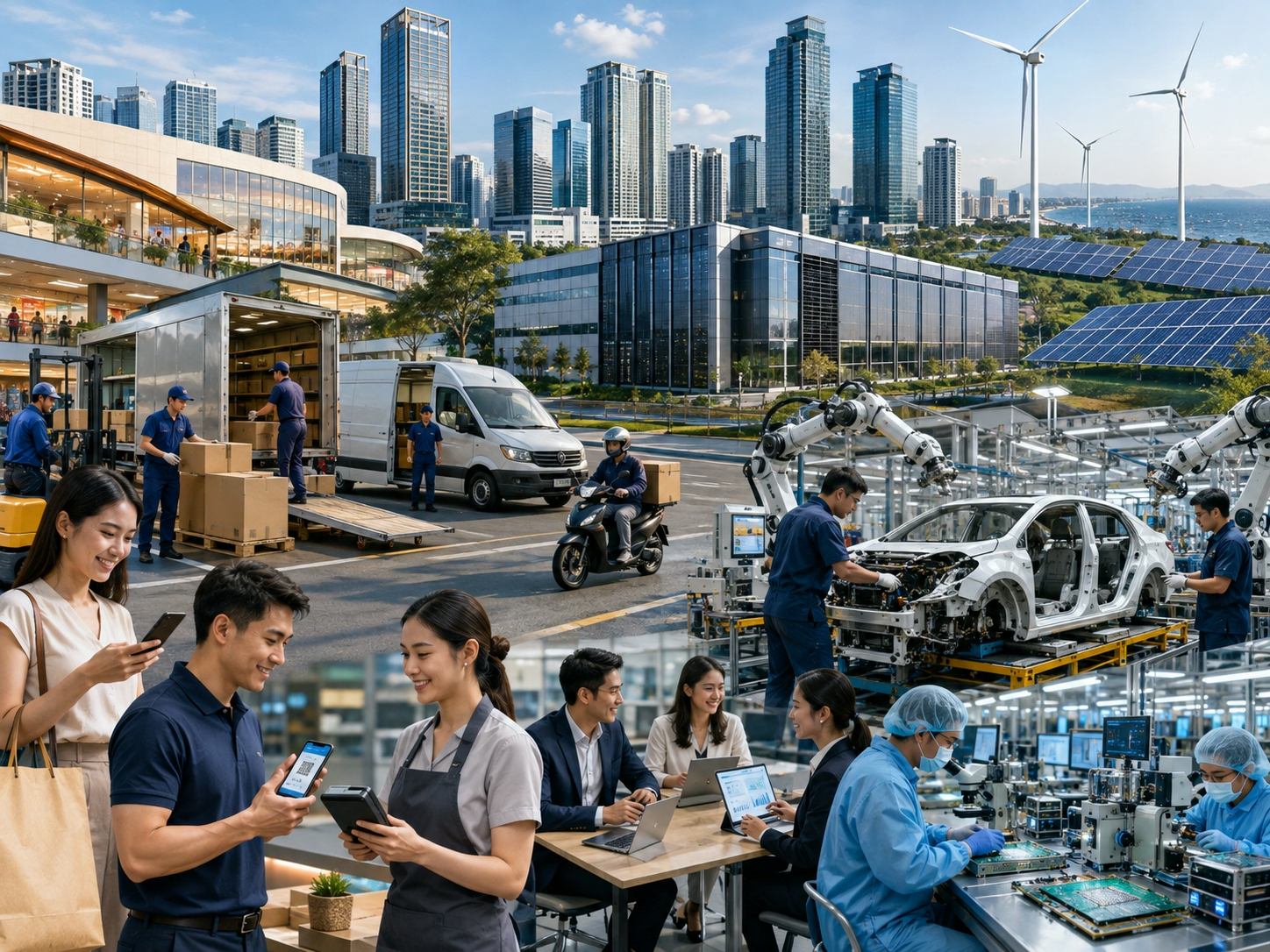
The electronics manufacturing industry is often described as the backbone of Philippine exports. In various special economic zones, multinational corporations operate advanced facilities that specialize in assembly and testing. Texas Instruments Philippines, for instance, is widely recognized as one of the largest exporters in the country, producing semiconductors used in laptops, mobile phones, and industrial systems. Analog Devices and ON Semiconductor also maintain significant operations, focusing on signal processing, power management, and sensor components. These plants benefit from a young workforce with increasing technical capabilities and from incentives offered by the Philippine Economic Zone Authority (PEZA).
Another major segment is the food and beverage sector, where several homegrown champions dominate shelves and shape consumer preferences. San Miguel Corporation is perhaps the most prominent, evolving from a brewery into a diversified food and beverage conglomerate. It produces everything from beer and spirits to canned meats, dairy items, and ready-to-eat meals. Universal Robina Corporation is similarly influential, known for its snacks, instant coffee, and beverages that are sold not just in the Philippines but across Southeast Asia. Monde Nissin has also built a strong presence with brands of instant noodles, biscuits, and meat alternatives, pushing the boundaries of product innovation and marketing.
Global multinationals add another layer to the manufacturing landscape. Nestlé Philippines runs multiple factories that make powdered milk, coffee mixes, and infant nutrition products. The company has invested heavily in local sourcing programs and farmer training initiatives, helping stabilize the supply of raw materials such as coffee and dairy. These linkages between multinational manufacturers and local agricultural communities support inclusive growth while ensuring reliable inputs for large-scale production.
The automotive and auto parts industry is smaller compared with those in neighboring countries like Thailand, yet it remains a key contributor to industrial activity. Toyota Motor Philippines operates a plant that assembles popular models for the local market, supported by a network of local parts suppliers. Mitsubishi Motors Philippines also maintains assembly operations and collaborates with component makers located in industrial parks in Laguna and nearby provinces. Philippine-based wire harness manufacturers connected to Japanese groups such as Yazaki play a crucial role, producing complex cable assemblies that are shipped to car factories worldwide.
Construction-related manufacturing supports the country’s infrastructure ambitions. Companies like Holcim Philippines, CEMEX Holdings Philippines, and Republic Cement produce cement and aggregates essential for roads, ports, housing projects, and industrial facilities. As public and private construction programs expand, these firms invest in plant modernization, environmental controls, and logistics networks to keep up with demand and reduce their environmental footprint.
Taken together, the leading manufacturing companies in the Philippines highlight the diversity of the sector. Electronics firms anchor export performance, food and beverage manufacturers serve a growing consumer base at home and abroad, automotive players strengthen industrial capabilities, and cement producers underpin physical development. Their ability to upgrade technology, nurture talent, and address sustainability challenges will shape the next phase of Philippine manufacturing.