Across the Philippines, a new generation of health technology startups is redefining how people access medical care. Instead of relying solely on traditional hospital visits, patients are beginning to interact with doctors, pharmacies, and insurers through their phones. This shift reflects the intersection of a young, tech-savvy population and a healthcare system that has long struggled with unequal access.
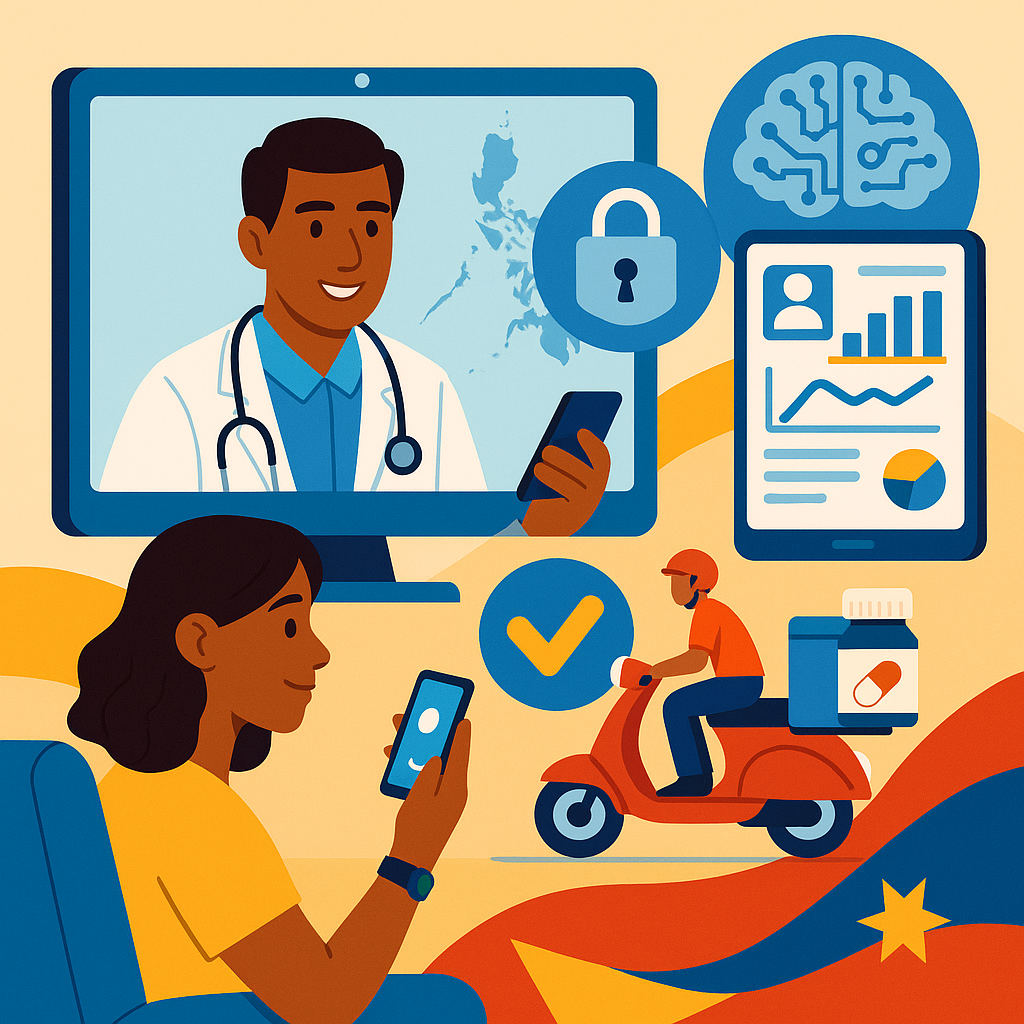
The rise of telehealth platforms is at the center of this transformation. Philippine startups in this space allow users to search for licensed physicians, book appointments, and consult via text, audio, or video. Many offer 24/7 access, which can be crucial when symptoms appear at night or during weekends. These platforms reduce travel time, minimize waiting room congestion, and help decongest tertiary hospitals by handling non-emergency concerns remotely.
Beyond consultations, online pharmacies and health delivery services are making it easier to obtain medicines and health products. By verifying partner pharmacies and displaying clear prices, these startups help patients compare options and avoid counterfeit drugs. Same-day or next-day delivery, sometimes with cold-chain capabilities, ensures that even temperature-sensitive medications arrive safely. Some apps also send refill notifications, helping patients stick to their prescriptions.
The Philippines is also seeing innovation in health data and diagnostics. Cloud-based medical record systems let clinics and doctors store, update, and share patient data more efficiently. Startups working with imaging centers and hospitals provide platforms where radiology files can be uploaded, analyzed, and shared securely. In some cases, machine learning tools assist clinicians by highlighting potential abnormalities, serving as a digital second opinion rather than replacing medical judgment.
In the realm of health financing, startups are experimenting with models that better fit the realities of Filipino workers. Digital products may allow users to buy coverage for specific procedures, short-term plans, or outpatient packages. Tech-enabled brokers and comparison platforms help individuals and small businesses understand benefits, compare plans, and enroll without dealing with thick paper forms. This approach supports greater financial protection, particularly for those who fall outside traditional corporate employment.
However, building a sustainable healthtech business in the Philippines is far from simple. Startups must navigate strict rules on patient confidentiality and secure storage of medical information. Connectivity issues in remote areas can still limit the reach of purely digital services. Additionally, many patients and some healthcare providers remain unfamiliar or cautious about virtual care, requiring education and trust-building.
Despite these obstacles, healthtech innovation in the Philippines is gaining traction. Government interest in digital health, along with partnerships between startups, telecom companies, and healthcare institutions, is slowly creating a more supportive ecosystem. As these young companies refine their solutions and prove their impact, they are not only making healthcare more accessible and efficient for Filipinos, but also laying the groundwork for regional expansion in Southeast Asia’s growing digital health market.