Filipino entrepreneurs looking to expand their businesses in the global market need to develop specific competencies that set them apart from local competitors. As international trade continues to grow and technology breaks down barriers, understanding the skills required to compete globally becomes even more critical.
First and foremost, cross-cultural competence is a vital skill for any entrepreneur who plans to operate globally. Different regions have distinct cultural norms and business practices. Entrepreneurs who understand these differences and can communicate effectively in diverse environments are more likely to build successful relationships. Filipino entrepreneurs, who are already known for their friendly and adaptable nature, should leverage these qualities to connect with global partners. However, they must also be sensitive to local business customs and practices to avoid misunderstandings.
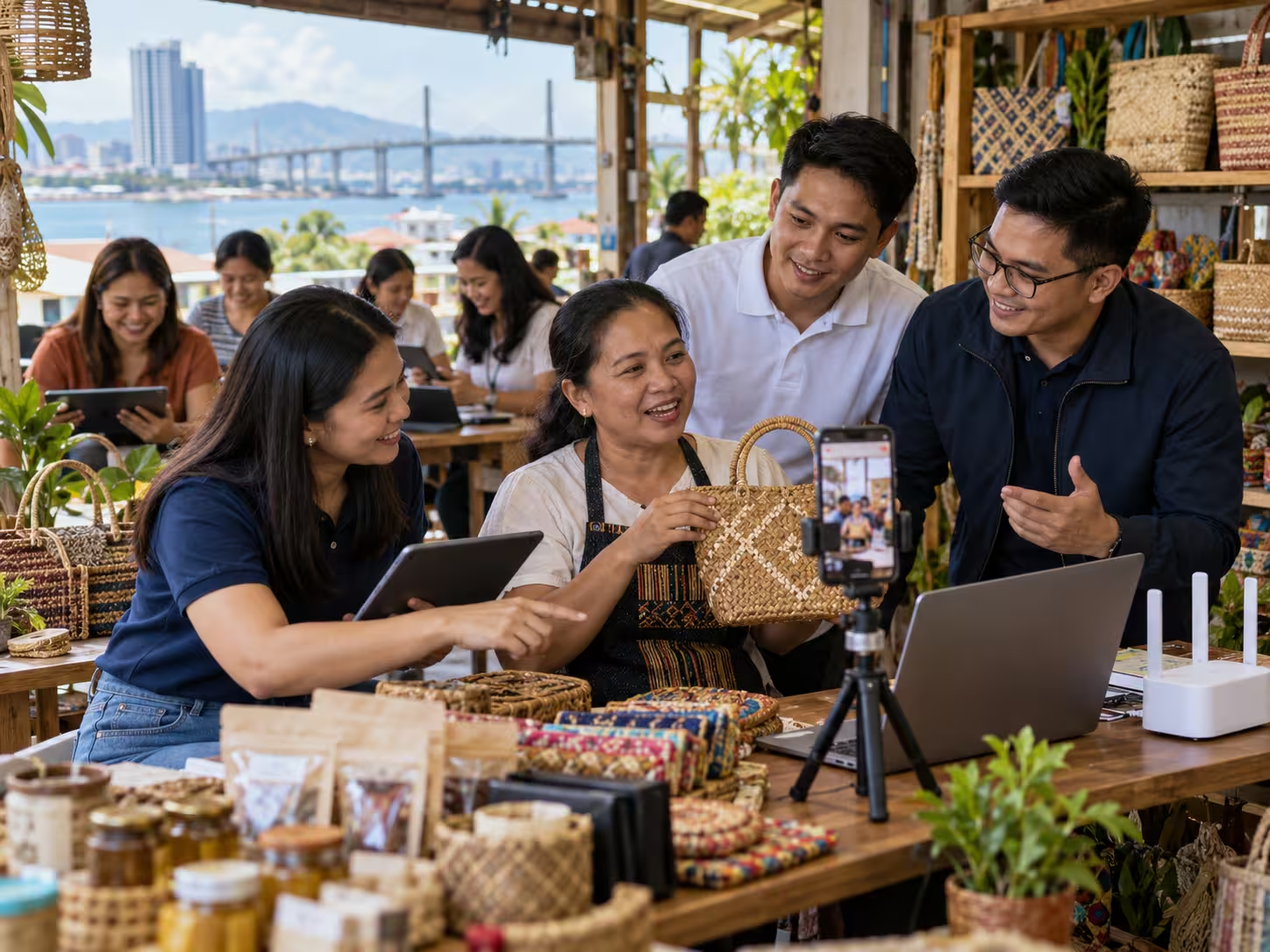
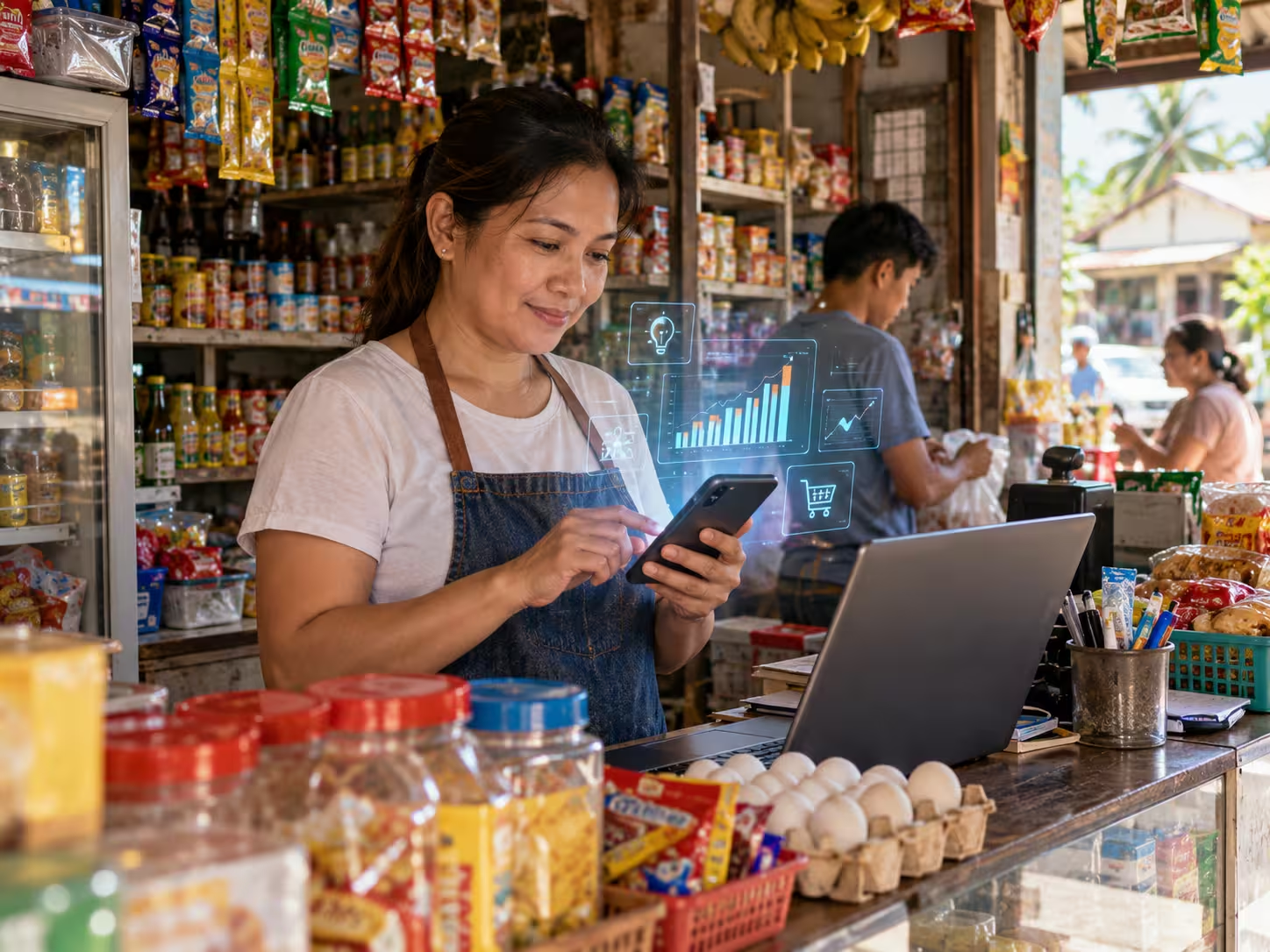
Technological proficiency is another indispensable skill. The global business environment is heavily influenced by technology, whether it’s through automation, online marketing, or global communication platforms. Filipino entrepreneurs must be skilled in using digital tools to streamline operations and enhance productivity. Knowledge of e-commerce platforms, online payment systems, and digital marketing strategies can give them a significant edge in attracting international customers and expanding their reach.
Moreover, financial management is crucial when navigating global markets. Entrepreneurs must be familiar with the financial aspects of international trade, such as foreign exchange rates, trade agreements, and the regulatory environment in different countries. A strong understanding of financial instruments, international investment strategies, and cost control mechanisms is vital for sustaining and scaling their businesses across borders.
In addition, resilience and adaptability play a significant role in global entrepreneurship. The global marketplace is unpredictable, with changes in economic conditions, political landscapes, and consumer preferences. Filipino entrepreneurs need to stay resilient in the face of challenges and continuously adapt their business strategies to remain competitive. This may involve modifying products to suit the tastes of different markets or adjusting pricing strategies in response to shifts in the global economy.
Finally, strong leadership and negotiation skills are necessary for navigating international deals. Entrepreneurs must be able to lead diverse teams, inspire trust, and make strategic decisions in uncertain environments. Negotiating across cultures requires patience, diplomacy, and a thorough understanding of the other party’s expectations. Filipino entrepreneurs who are effective negotiators and leaders can secure profitable international partnerships and establish a solid reputation in the global market.
In essence, Filipino entrepreneurs must develop a mix of cultural understanding, digital expertise, financial knowledge, adaptability, and leadership abilities to succeed globally. These skills will empower them to navigate the complexities of international markets and position their businesses for sustainable growth and success.