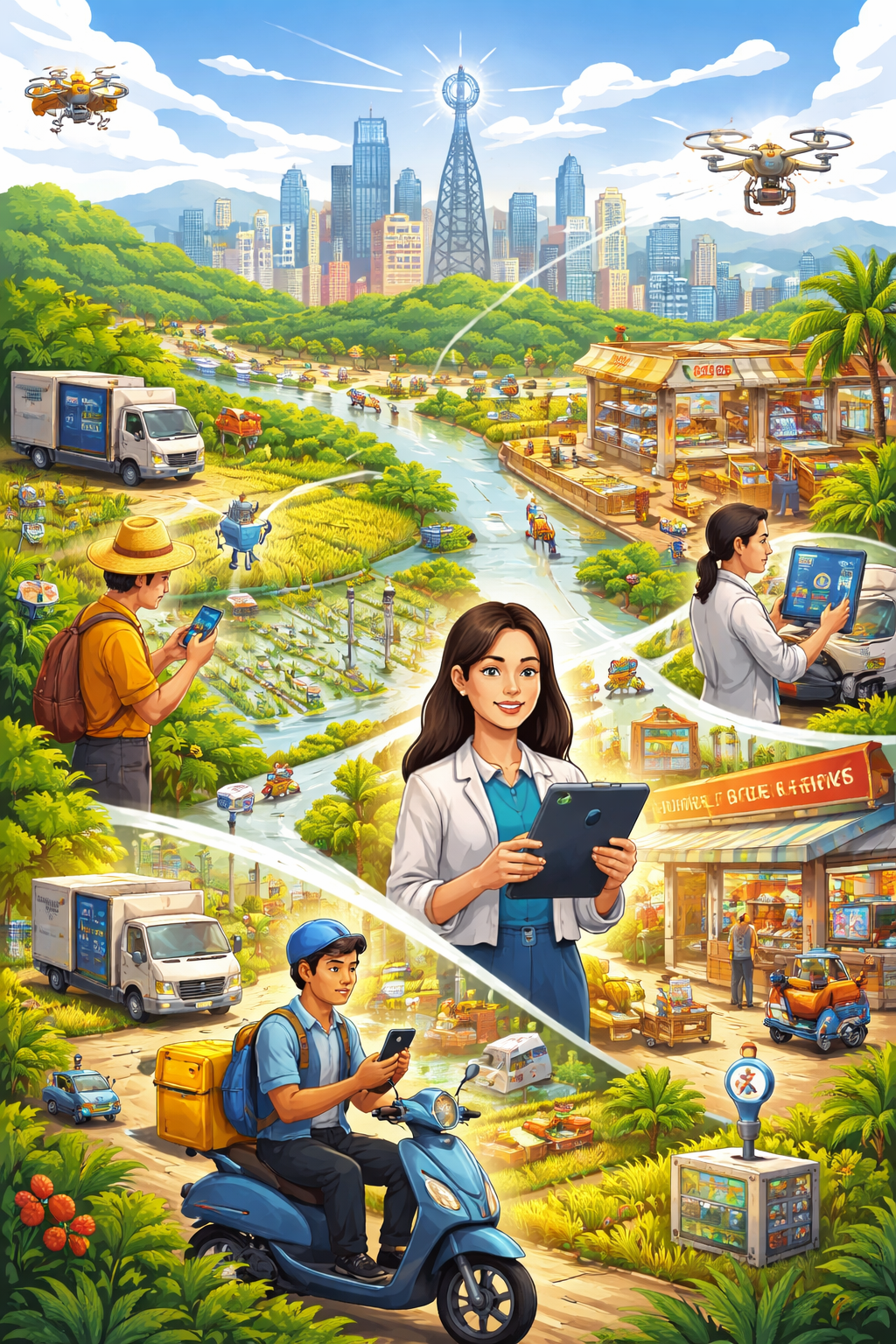
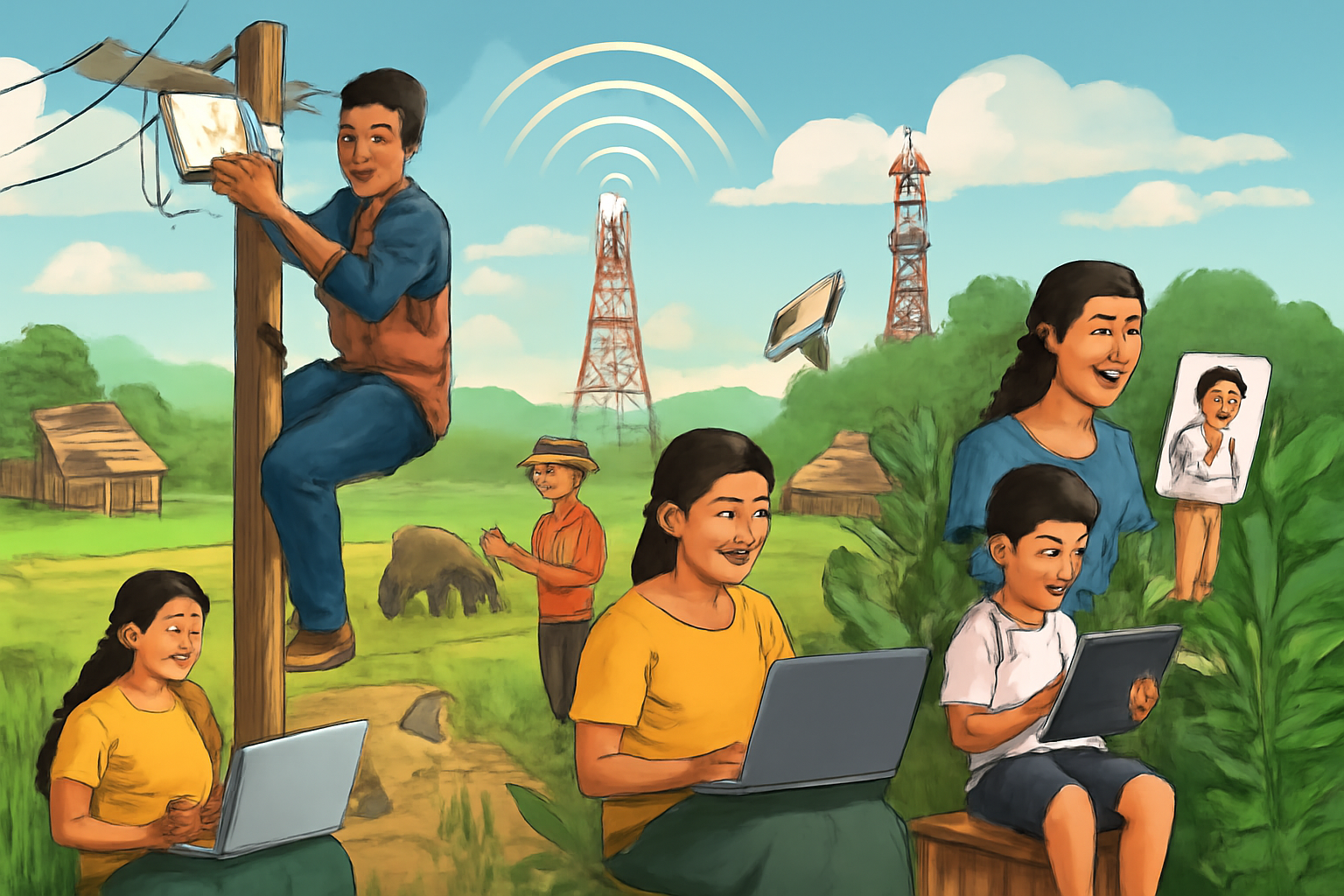
The Philippines has increasingly become a significant player in the global technology arena. Over the past decade, its tech industry has expanded rapidly, propelled by a combination of innovation, government initiatives, and rising investments in digital infrastructure. From fintech to AI and blockchain, the country is adapting to technological trends that are reshaping its economy.
One of the most notable trends is the growing influence of fintech. The Philippines’ digital payment systems have witnessed extraordinary growth, with mobile wallets like GCash and PayMaya taking the lead in offering seamless payment solutions. These platforms have become essential, especially in a country where a large portion of the population remains unbanked. As more Filipinos embrace digital transactions, the country is moving toward a cashless society, supported by government policies designed to promote financial inclusion.
The business process outsourcing (BPO) sector, a cornerstone of the Philippine economy, has also evolved significantly. While traditional customer support roles continue to thrive, there is now a growing emphasis on high-value services such as IT outsourcing and software development. The Philippines is becoming a global leader in software development outsourcing, as many tech companies around the world look to Filipino engineers for their expertise in coding, app development, and system integration.
Moreover, technology startups are thriving in the Philippines, particularly in the fields of artificial intelligence, blockchain, and e-commerce. Startups like Coins.ph are leading the charge in cryptocurrency and blockchain innovation, offering solutions that are gaining popularity in the Philippines. On the other hand, AI is being leveraged by companies to improve customer experiences, optimize supply chains, and streamline business operations.
The Philippine government has been an active partner in this technological growth, offering tax incentives, grants, and other support to startups and tech businesses. Programs such as the “Philippine Innovation Act” are designed to accelerate technological advancement and create an environment conducive to innovation. This has led to an increase in foreign investments, particularly in tech hubs like Metro Manila, Cebu, and Davao.
Overall, the Philippines’ technology sector is thriving, driven by a combination of innovation, government support, and global trends. As digital transformation continues to accelerate, the country is set to remain a key player in the Southeast Asian tech ecosystem.