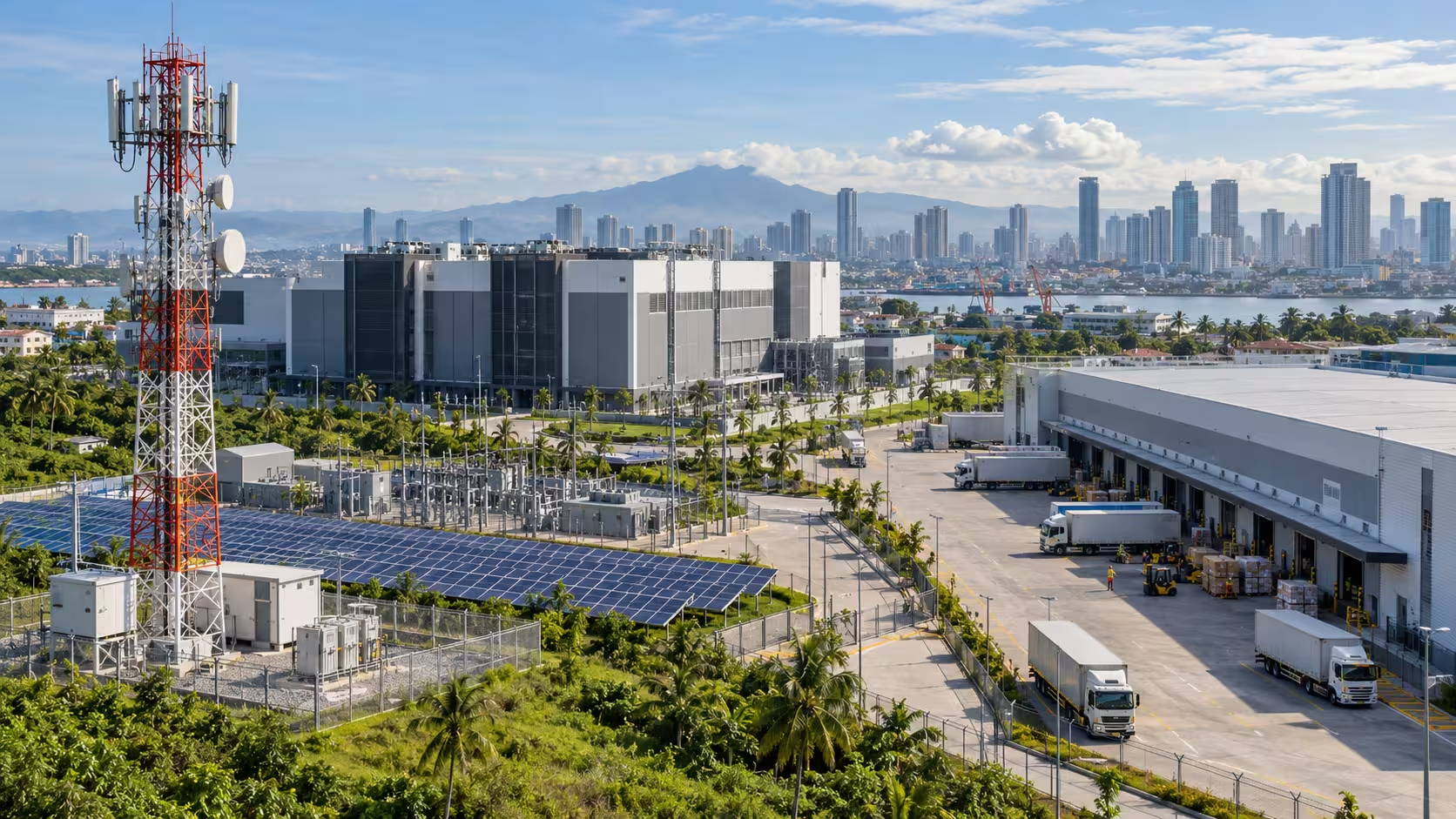
Diversification is a key principle in any investment strategy. It reduces the overall risk of a portfolio by spreading investments across various asset classes and geographical regions. For investors looking to expand their horizons beyond traditional markets, the Philippine stock market offers an attractive opportunity to diversify. The country’s growing economy and expanding industries make it a prime destination for those seeking to add unique exposure to their portfolios.
The Economic Growth of the Philippines
Over the past few years, the Philippines has become one of the most dynamic economies in Southeast Asia. The country’s economy has been driven by several factors: strong domestic consumption, a youthful labor force, and a growing middle class. These factors have led to consistent GDP growth, providing a solid foundation for companies listed on the Philippine Stock Exchange (PSE).
Investing in Philippine stocks allows you to tap into this growth. As more Filipinos move into the middle class, demand for goods and services continues to rise, benefitting companies in sectors such as retail, real estate, telecommunications, and financial services. This long-term growth trajectory makes the Philippine stock market an attractive addition to a diversified portfolio.
Sectoral Diversification
One of the key benefits of investing in the Philippines is the opportunity to gain exposure to sectors that may be underrepresented in developed markets. The Philippine stock market offers a range of opportunities in sectors such as infrastructure, energy, and finance. The government’s push for infrastructure development under the “Build, Build, Build” program is stimulating growth in construction, utilities, and transportation companies.
In addition to infrastructure, the Philippines has a thriving consumer market, with companies catering to a growing population of young, tech-savvy individuals. The country is also one of the largest outsourcing hubs globally, which benefits the BPO sector and firms involved in business services and technology. These sectors provide diversified options for investors looking for opportunities beyond traditional industries.
International Portfolio Balance Through Currency Diversification
Investing in international markets introduces currency risk and opportunity. The value of the Philippine peso fluctuates against major currencies like the U.S. dollar or euro. When the peso strengthens, your Philippine investments could yield higher returns when converted back into your local currency. Similarly, when the peso weakens, investors may benefit from currency diversification that can balance losses from domestic markets.
As an investor, having exposure to a different currency allows you to hedge against inflation or currency fluctuations in your home country. This type of diversification can safeguard your portfolio from events that negatively impact the value of your local currency, adding another layer of risk management to your investment strategy.
Reducing Risk Through Geopolitical Diversification
Geopolitical risks are a concern for every investor, particularly those who have concentrated their investments in one country or region. The Philippines, as an emerging market, offers geopolitical diversification that reduces the risk of being overly exposed to any one country’s political and economic instability. As the Philippine market operates independently of many global trends, it may not be directly affected by global geopolitical tensions, giving your portfolio a degree of protection from systemic shocks that might affect major developed economies.
Long-Term Investment Potential
While the Philippine stock market can exhibit volatility in the short term, it offers significant potential for long-term investors. The country’s population of over 100 million, combined with its expanding infrastructure and tech sector, creates an environment ripe for sustained growth. Over time, as the country continues to urbanize and its industries develop, Philippine stocks are expected to benefit from the long-term growth of its economy.
Investing for the long term in the Philippines allows you to ride the wave of economic development, as companies listed on the PSE will likely see increasing profits and growing stock prices. The combination of a youthful workforce, strong consumption trends, and infrastructure improvements provides a solid foundation for future growth.
Getting Started with Philippine Stocks
For international investors, buying stocks in the Philippines is relatively straightforward. Many online brokers offer access to the Philippine stock market through a variety of investment vehicles, including individual stocks or exchange-traded funds (ETFs) that track the broader market. Before investing, it’s important to understand the local market regulations and the limitations on foreign ownership of certain sectors.
Investors can also seek advice from financial professionals who specialize in international markets to help navigate the complexities of investing in an emerging market.
By adding Philippine stocks to your portfolio, you can achieve a well-rounded diversification strategy that enhances potential returns and mitigates risks. The country’s growing economy, diverse industries, and long-term growth prospects make it an appealing destination for those seeking diversification in their investment portfolios.