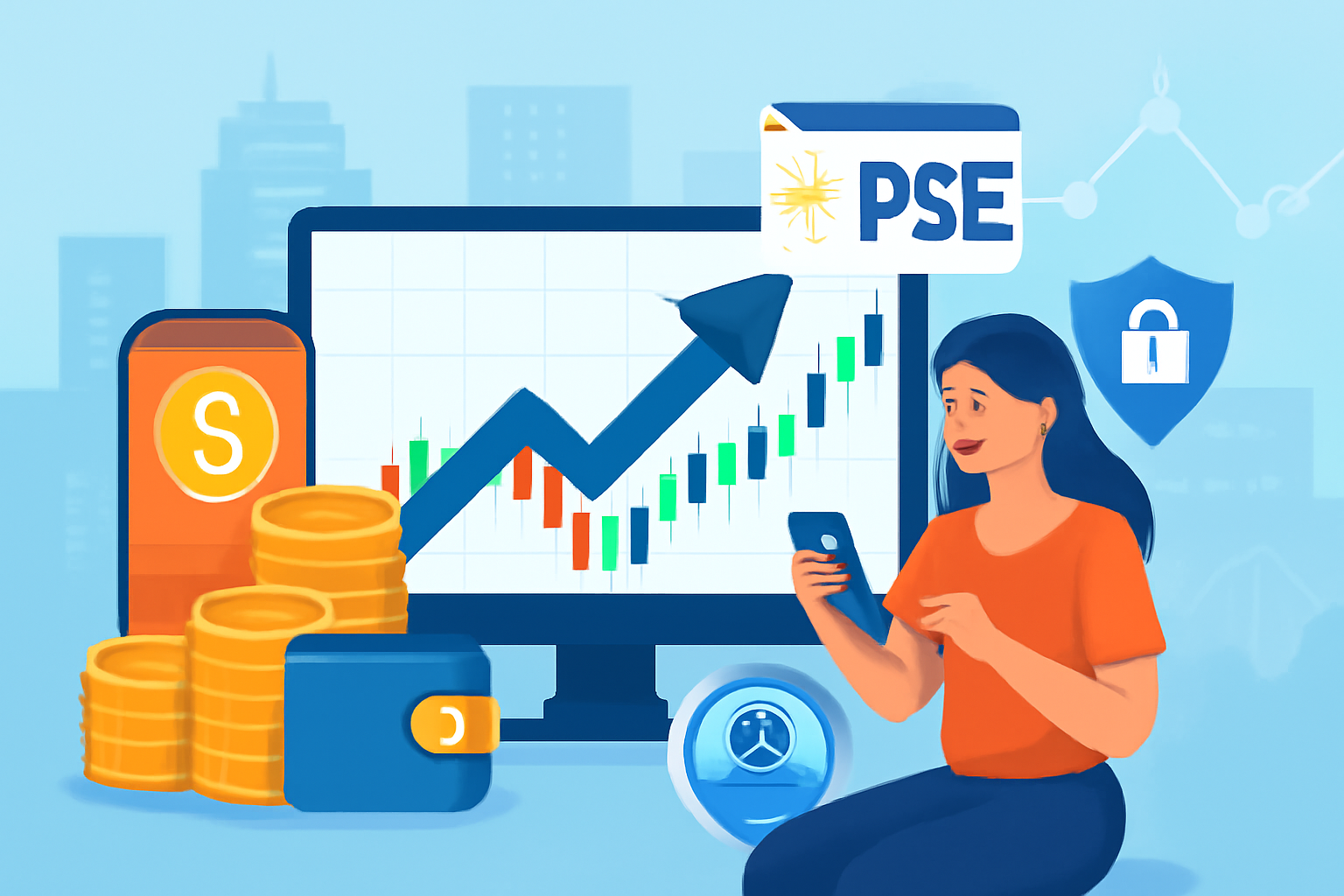
The Philippine stock market is undergoing a transformation, driven largely by the increasing adoption of digital technology and the rise of fintech innovations. These changes are not only enhancing market accessibility but also changing the way investors interact with the stock exchange, creating new opportunities for both local and international participants.
One of the most notable advancements is the widespread use of online trading platforms. These platforms have revolutionized how individuals invest in the stock market, allowing Filipinos to trade stocks from the comfort of their homes or while on the go. By leveraging their smartphones or computers, investors can execute trades, access real-time data, and stay updated on market conditions at any time. This has eliminated the traditional barriers to entry, such as the need for in-person meetings with brokers, and opened up the market to a broader range of people, including the younger generation.
The Philippine Stock Exchange (PSE) has also embraced digital innovation. The exchange’s efforts to modernize its trading systems have made it more efficient, transparent, and accessible. The introduction of electronic trading systems has allowed for faster execution of trades, which benefits both individual and institutional investors. This digital transformation has made the Philippine stock market more competitive compared to other Southeast Asian markets, attracting foreign investors looking for growth opportunities in the region.
Fintech companies have played a significant role in making stock market investing more inclusive. Robo-advisors, for example, are becoming increasingly popular in the Philippines. These automated platforms provide personalized investment recommendations based on the user’s financial profile, risk tolerance, and investment goals. By offering cost-effective investment solutions, robo-advisors are helping people who might not have access to traditional financial advisors to start building their portfolios.
In addition to robo-advisors, digital wallets and mobile banking applications have made it easier for Filipinos to deposit funds into their trading accounts. These seamless payment systems have reduced the friction associated with investing, enabling more people to participate in the stock market with minimal effort. As mobile money services continue to grow in popularity, the convenience of these tools will only enhance the potential for increased stock market participation.
However, the digital transformation also presents challenges. One of the primary concerns is cybersecurity. As more transactions move online, the risk of cyberattacks and fraud increases. Ensuring the security of digital trading platforms is essential to maintaining investor confidence. Both the government and private sector players must invest in robust cybersecurity measures to safeguard sensitive financial data and prevent fraudulent activities.
Another challenge is the need for enhanced financial literacy. While digital platforms have made stock market investing more accessible, many Filipinos are still unfamiliar with the complexities of investing in equities. To mitigate this, financial education campaigns, both online and offline, must be expanded to ensure that individuals are equipped with the knowledge to make informed investment decisions.
In conclusion, the digital and fintech revolutions are poised to reshape the Philippine stock market, making it more accessible, efficient, and inclusive. While there are challenges to address, the continued growth of digital platforms and the increasing availability of fintech solutions suggest that the Philippine stock market will continue to grow, offering new opportunities for investors.