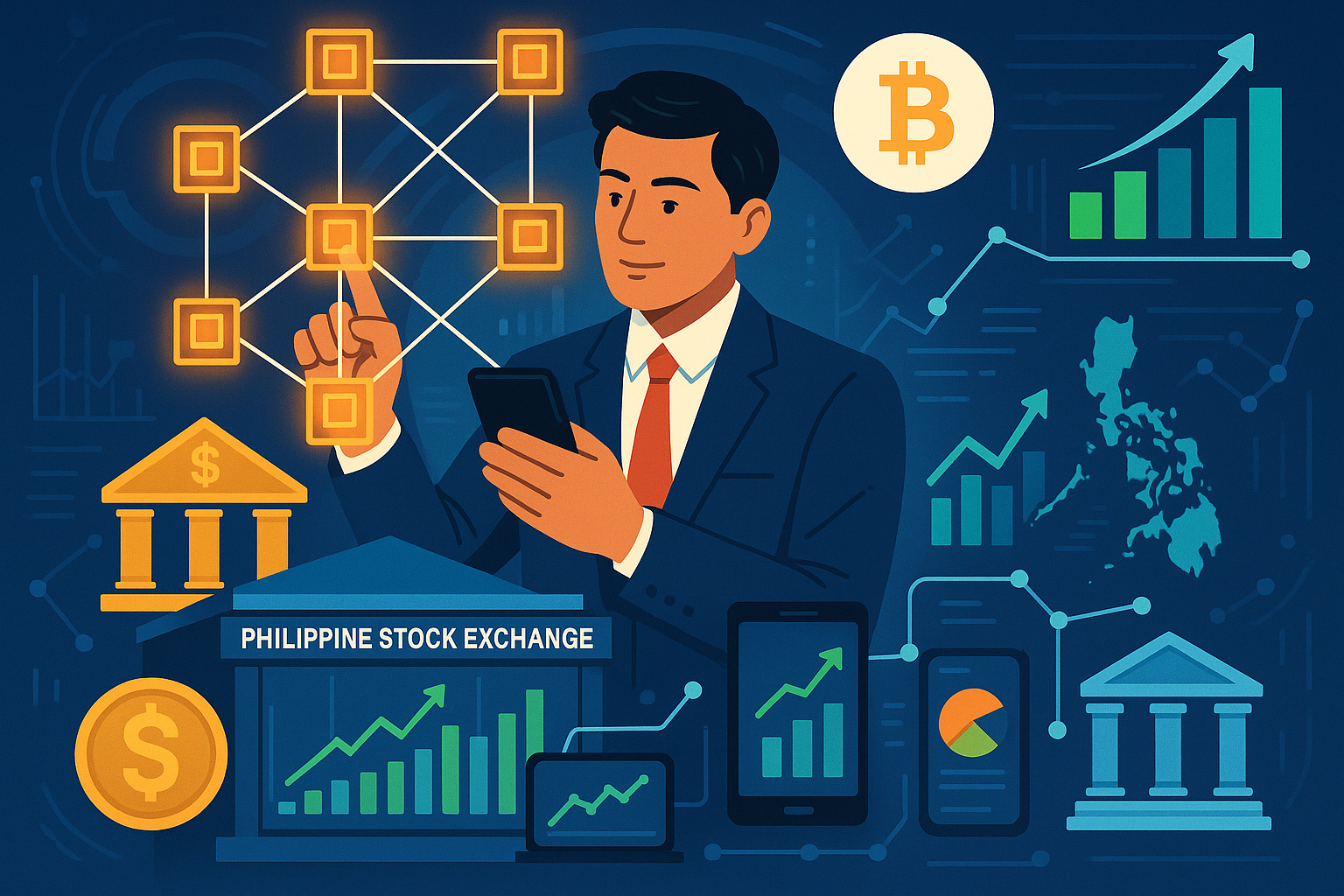
Technology has turned the Philippine stock market from a niche arena for wealthy insiders into a space that is increasingly accessible to everyday Filipinos. Digital platforms, fintech innovations, and online education have combined to reduce the traditional barriers that once kept many people from investing.
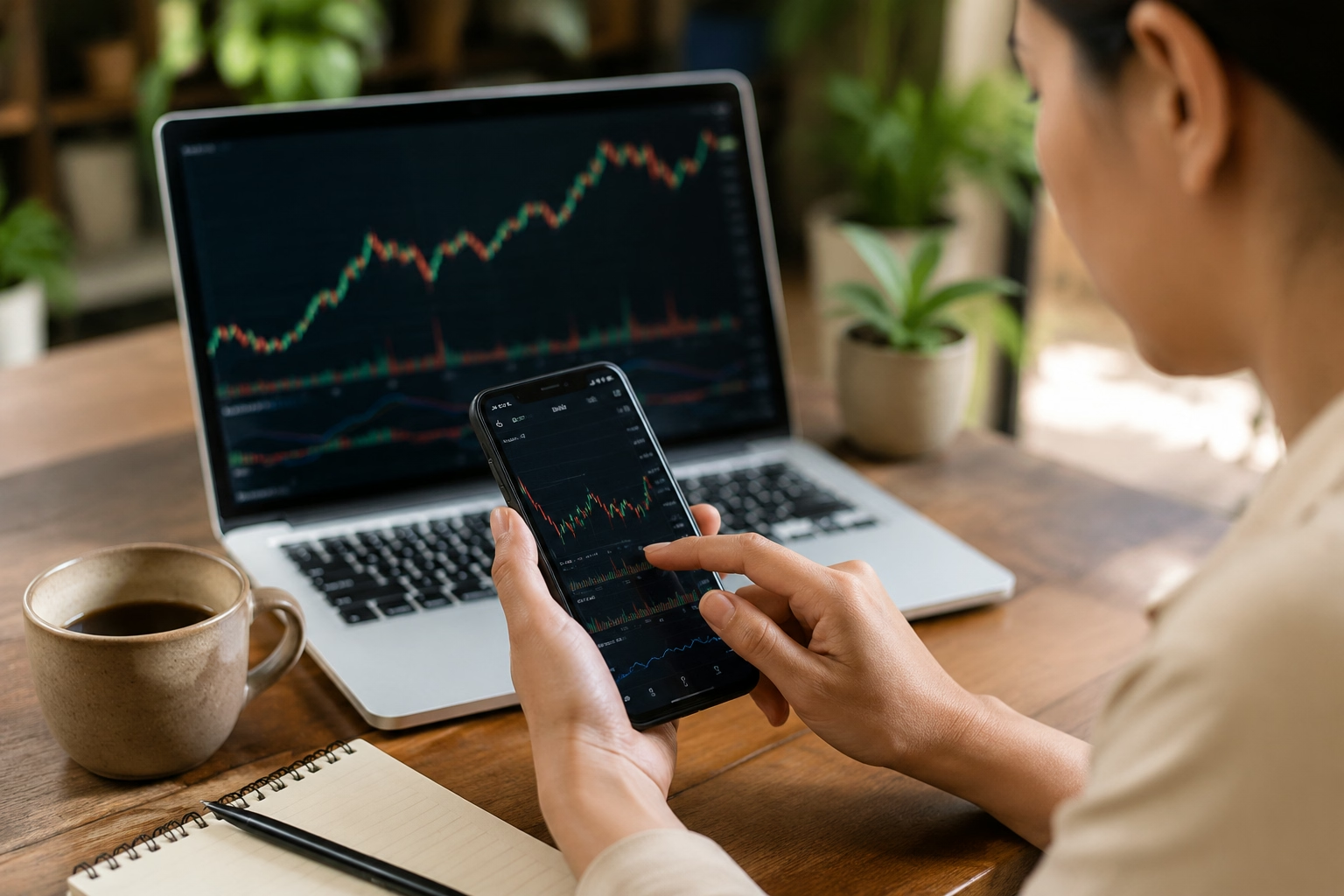
In the past, becoming a stock investor often required personal connections to a broker, paper-based forms, and a sizable initial capital. Today, online trading accounts can be opened with lower minimum deposits, and the entire process can be completed with a smartphone and an internet connection. Many brokers have designed mobile apps specifically targeting first-time investors, featuring simple interfaces, tutorials, and localized content.
The integration between online brokerages and popular digital payment channels has been another game changer. Through partnerships with banks and e-wallets, investors can transfer funds instantly to their trading accounts. This seamless movement of money makes investing feel less intimidating and more convenient, putting it on par with everyday digital activities such as paying bills or shopping online.
Technology has also propelled a surge in financial education. Social media, webinars, and online learning platforms host regular sessions on how the stock market works, how to analyze companies, and how to manage risk. The PSE and various brokers frequently organize virtual seminars that reach participants across the country, including regions that previously had little exposure to capital markets. This democratization of knowledge is critical in transforming curious observers into confident investors.
Market information, once the domain of professional traders and institutions, is now widely available. Real-time quotes, company disclosures, analyst reports, and market commentary are published online in accessible formats. Many platforms provide simplified research tools—such as stock screeners based on dividend yields, sector, or valuation ratios—that help novices narrow down choices. This transparency encourages informed decision-making and reduces dependence on rumors or tips.
At the same time, technology-powered tools can help investors manage risk more responsibly. Mobile notifications alert users about significant price changes, corporate actions, or margin calls. Some apps offer basic portfolio analytics, showing diversification levels, realized and unrealized gains, and exposure by sector. These features encourage users to think about long-term strategy rather than just short-term speculation.
Still, the spread of technology does not automatically guarantee good outcomes. Easy access may tempt some individuals into impulsive trading or following social media hype without proper research. The speed of digital trading can amplify emotional decisions, especially during periods of market volatility. This reality underscores the importance of coupling technological access with strong investor education and regulatory oversight.
Regulators and market operators in the Philippines have begun to recognize these dual dynamics. They are working to enhance digital literacy campaigns, encourage responsible investment behavior, and monitor online channels for potential fraud or scams. Collaboration with fintech firms and brokers is crucial to design platforms that not only make trading easy but also embed safeguards and educational prompts.
In the end, technology serves as a powerful enabler, but how it reshapes the Philippine stock market depends on how it is used. When combined with thoughtful regulation, robust security, and a culture of continuous learning, digital tools can turn the market into a more inclusive platform for wealth-building and financial empowerment.